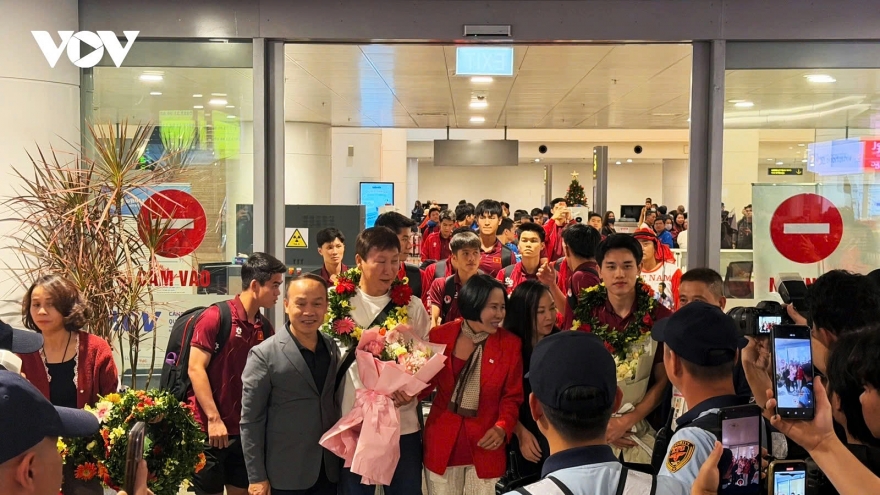
SEA Games 33: Vietnam ends campaign in third place, fulfils set target

VOV.VN - Vietnam finished third overall at the 33rd Southeast Asian Games (SEA Games 33) with 87 gold, 82 silver and 110 bronze medals, trailing hosts Thailand and Indonesia in the final medal standings.
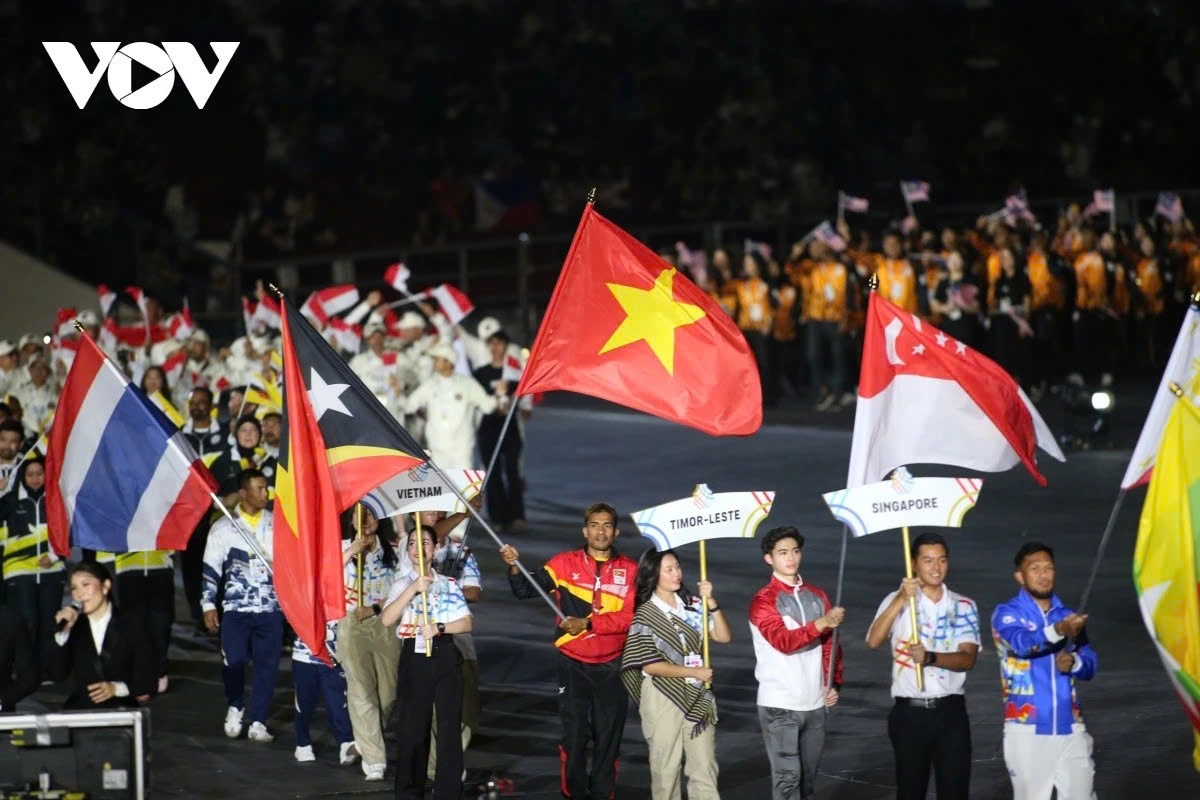
Thailand topped the table with a record-breaking 233 gold medals, alongside 154 silver and 112 bronze, while Indonesia placed second with 91 gold, 111 silver and 131 bronze medals. If five gold medals won in demonstration sports were included, Vietnam’s total gold medal count rose to 92, exceeding its pre-Games target of 90 golds.
Fewer athletes, top-three performance
A notable highlight of Vietnam’s campaign was its efficiency. Despite ranking only sixth in terms of athlete numbers, the Vietnamese delegation still secured a top-three finish overall.
Vietnam sent a total of 841 athletes to SEA Games 33, far fewer than the host nation Thailand, which fielded 1,530 athletes, as well as Indonesia (1,020), the Philippines (1,157), Malaysia (1,192) and Singapore (976).
In addition, many traditional Vietnamese strong events were not included in the competition program. Despite these constraints, Vietnam maintained its position among the region’s leading sporting nations.
Strong showing from Olympic sports
SEA Games 33 also underscored the success of Vietnam’s focus on Olympic sports. Athletes competing in Olympic disciplines won 59 gold medals, accounting for nearly 70% of the country’s total gold haul. When combined with seven gold medals from key Asian Games–oriented sports such as karate and sepak takraw, Olympic and Asian Games priority sports contributed 66 gold medals, or 76.7% of the total.
Shooting emerged as one of Vietnam’s standout sports, finishing with eight gold medals and four SEA Games records. After winning gold on the opening day in the mixed 10m air rifle, Vietnamese shooters went on to dominate several women’s pistol and men’s rapid-fire.
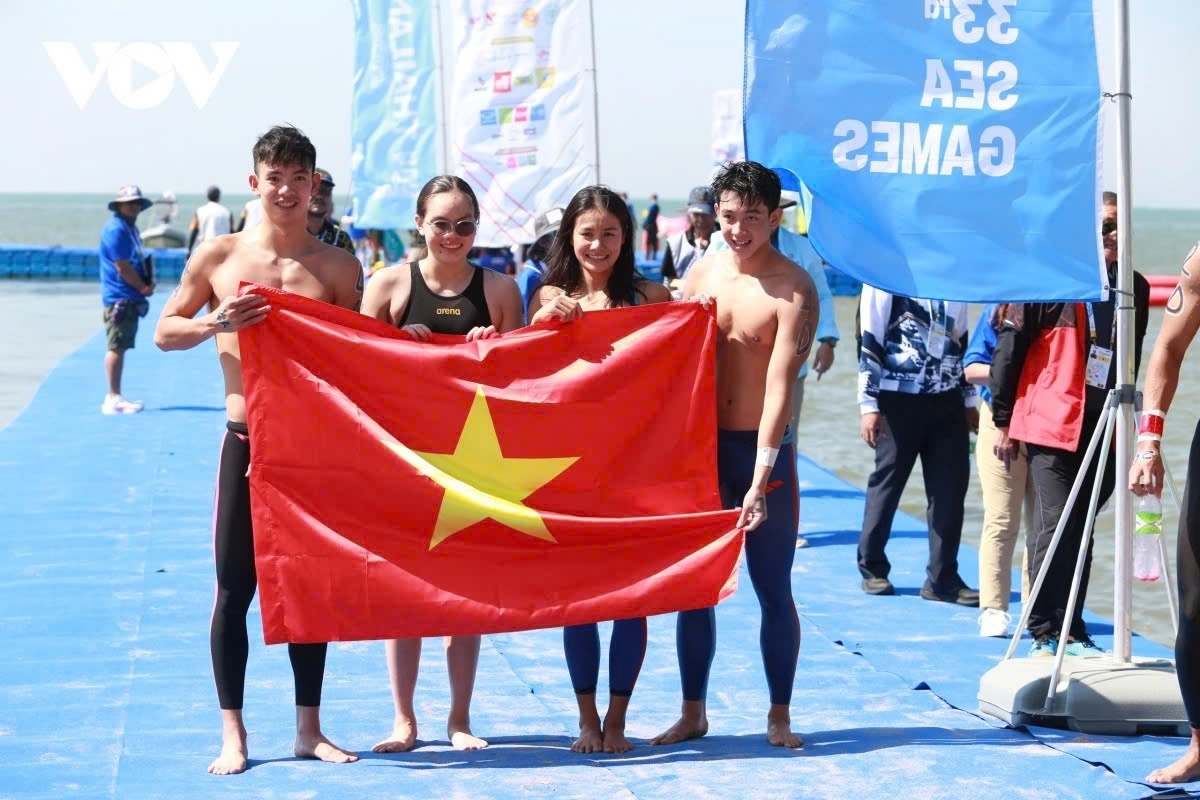
Athletics and swimming also delivered impressive results, winning 12 and six gold medals respectively. The emergence of young talents in these disciplines demonstrated Vietnam’s depth and long-term potential at regional level, with an eye toward stronger performances at the Asian Games and Olympic Games.
Promising athletes such as Bui Thi Kim Anh (high jump), Bui Thi Ngan (1,500m), Duong Van Hoang Quy, Mai Tran Tuan Anh and Tran Van Nguyen Quoc (swimming) were among those who made a strong impression.
Football, the most closely followed sport at the Games, was considered a success for Vietnam. Teams reached the finals in three of four events - men’s football, women’s football and women’s futsal - winning two gold medals with emotionally charged and high-quality performances.
A foundation for long-term development
The results at SEA Games 33 reaffirmed Vietnam’s resilience and competitive spirit amid intensifying regional competition. Finishing third overall with a relatively small delegation reflects not only medal success, but also the effectiveness of investment, athlete development and training strategies.
The dominant contribution from Olympic and Asian Games priority sports indicates that Vietnam’s emphasis on quality, depth and sustainability is yielding results. The medals won reflect not only athletic excellence, but also the ability of athletes and coaches to adapt and perform under less-than-ideal conditions.
SEA Games 33 therefore concluded not only with a podium finish, but with renewed confidence in Vietnam’s long-term sports development pathway - maintaining focus on Olympic disciplines, aiming higher at the Asian Games and gradually strengthening its presence on the continental stage.
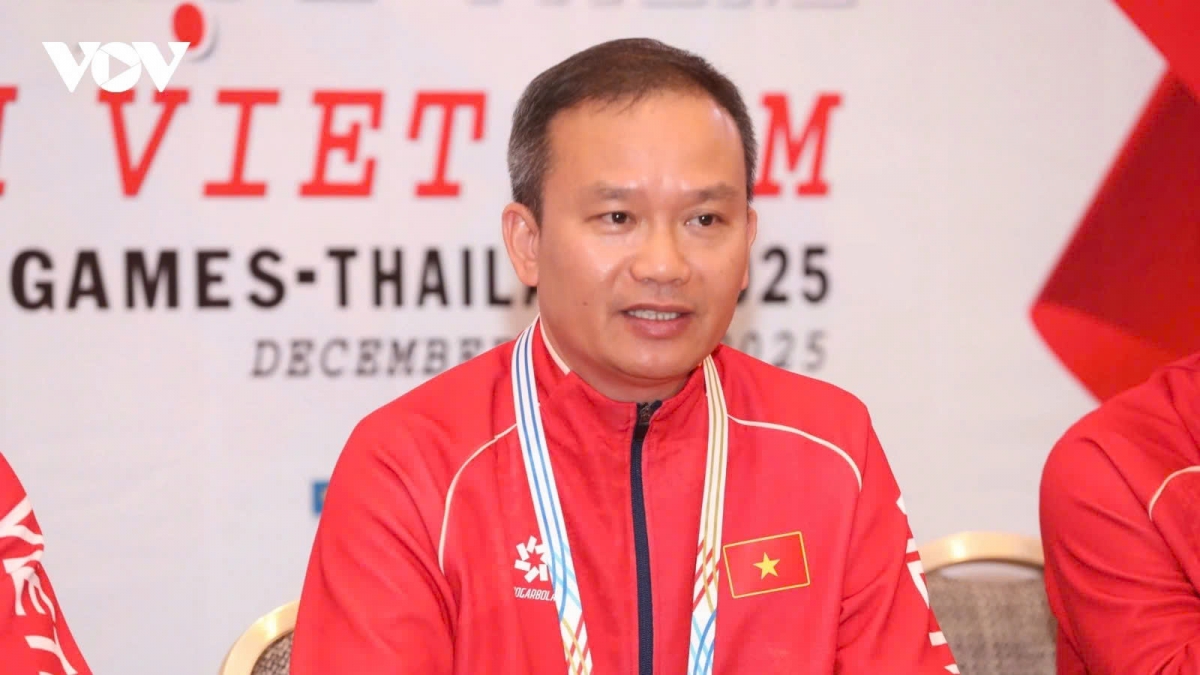
At the same time, delegation head Nguyen Hong Minh acknowledged ongoing challenges, including increasingly fierce competition, the participation of world-class athletes from other countries and the growing trend of athlete naturalization in the region. Vietnam also candidly recognised underperformance in several sports such as archery, cycling, weightlifting and judo.
Drawing lessons from SEA Games 33, Minh emphasised the need for Vietnamese sports to continue improving technical standards and competitive mentality, with the ultimate goal of achieving stronger results at future Asian Games and Olympic competitions.
SEA Games 33: Vietnam wins 13 more golds, maintains third position
VOV.VN - Vietnamese athletes claimed an additional 13 gold medals at the 33rd SEA Games in Thailand on December 19, maintaining third position on the medal table.