


World Bank approves loans to boost Vietnam trade connectivity, climate resilience

VOV.VN - The World Bank’s Board of Executive Directors has approved three new projects to support Vietnam in strengthening the trade corridors that carry the country’s agricultural and manufactured exports to markets and bolstering the coastal fisheries sector.
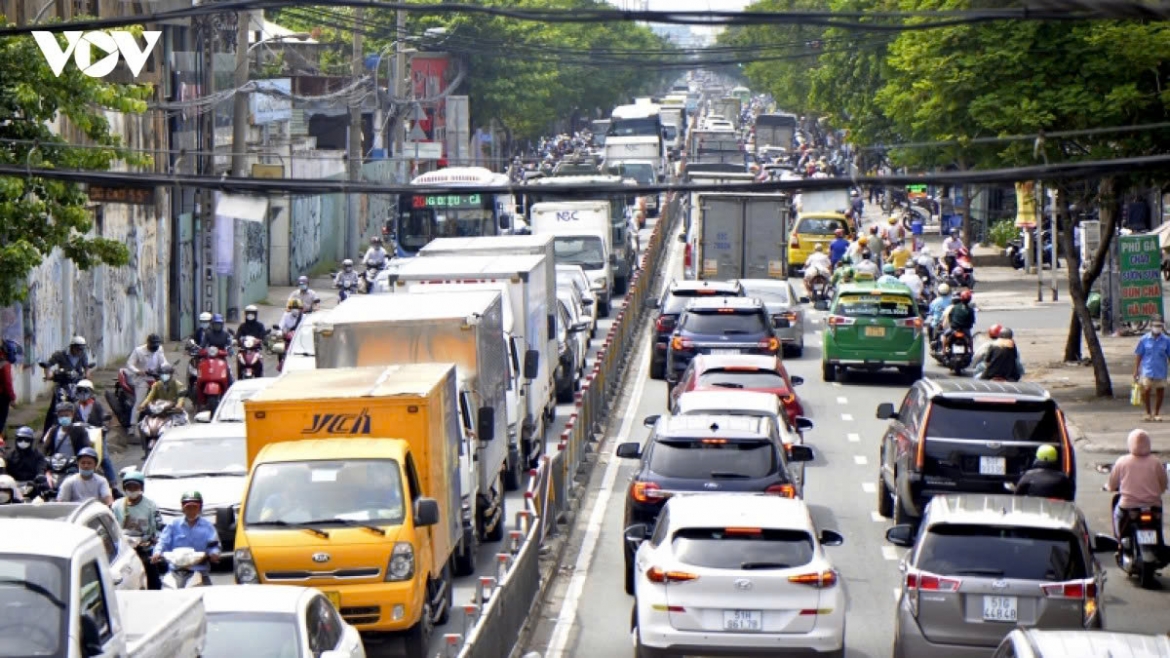
The three projects are supported by loans totalling US$666.74 million from the International Bank for Reconstruction and Development (IBRD), the World Bank Group’s lending arm for middle-income governments.
The projects cover transport and urban infrastructure, regional connectivity in the Mekong Delta, and sustainable fisheries and coastal livelihoods, with a focus on improving connectivity, managing climate risks and supporting communities.
Investing in infrastructure to boost connectivity and cut costs
In Hai Phong, the Hai Phong City Resilience Development Project has been approved with a loan of US$260.1 million.
According to the World Bank, the project will build a new section of Ring Road 3, reducing truck travel time between key locations. It will also expand wastewater treatment and protect the city’s historic centre from flooding, benefiting more than 311,000 residents.
Construction is expected to employ approximately 10,700 casual workers and 2,300 professionals.
In the Mekong Delta, the Mekong Resilient Regional Connectivity Project is backed by US$251.12 million.
The project will rehabilitate 251 kilometres of key highways to international road safety standards. The improvements will provide reliable year-round connectivity for 856,800 direct users and help farmers move goods to market during heavy rainfall.
Construction is expected to generate approximately 10,900 jobs annually.
The investments are designed to improve transport connectivity while also helping communities and economic activities better cope with climate-related risks.
Strengthening resilience of coastal livelihoods
The third loan, US$155.52 million, is for the Sustainable Fisheries Development Project. The project will be implemented across the North, Central and Mekong Delta regions, modernising nine fishing ports and building infrastructure and capacity to promote sustainable, climate-resilient fishing and aquaculture practices.
More than 525,000 fishers, aquaculture farmers and coastal residents are expected to benefit through higher incomes, better seafood quality and reduced post-harvest losses. Women are expected to account for at least half of direct beneficiaries.
The project therefore links climate resilience not only to infrastructure investment but also to sustainable fishing and aquaculture practices, incomes and the livelihoods of coastal communities.
Mariam J. Sherman, World Bank Division Director for Vietnam, Cambodia and Laos, said, “Better transport corridors and urban services lower the cost of doing business, and that is how infrastructure turns into growth and jobs. These operations will help Vietnam improve competitiveness while managing climate risks and using its natural resources sustainably.”
HCM City, Da Nang break ground on major infrastructure, industrial projects
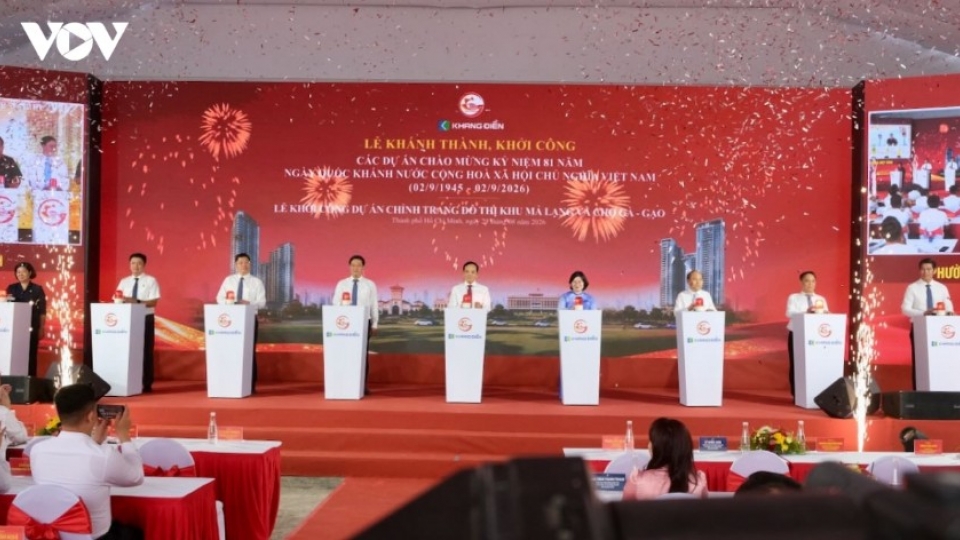
VOV.VN - Ho Chi Minh City and the central city of Da Nang simultaneously launched and inaugurated major infrastructure, urban renewal, and industrial projects on August 29, with total investment reaching hundreds of trillions of Vietnamese dong, to mark the 81st National Day (September 2, 1945-September 2, 2026).


