Why foreign tourists are raving about haircuts and massages in Vietnam

VOV.VN - A German visitor has described haircuts and massage services in Vietnam as “among the best in the world,” highlighting their high quality, affordability and professional craftsmanship – the factors that could encourage tourists to spend more on beauty and relaxation services while traveling in the country.
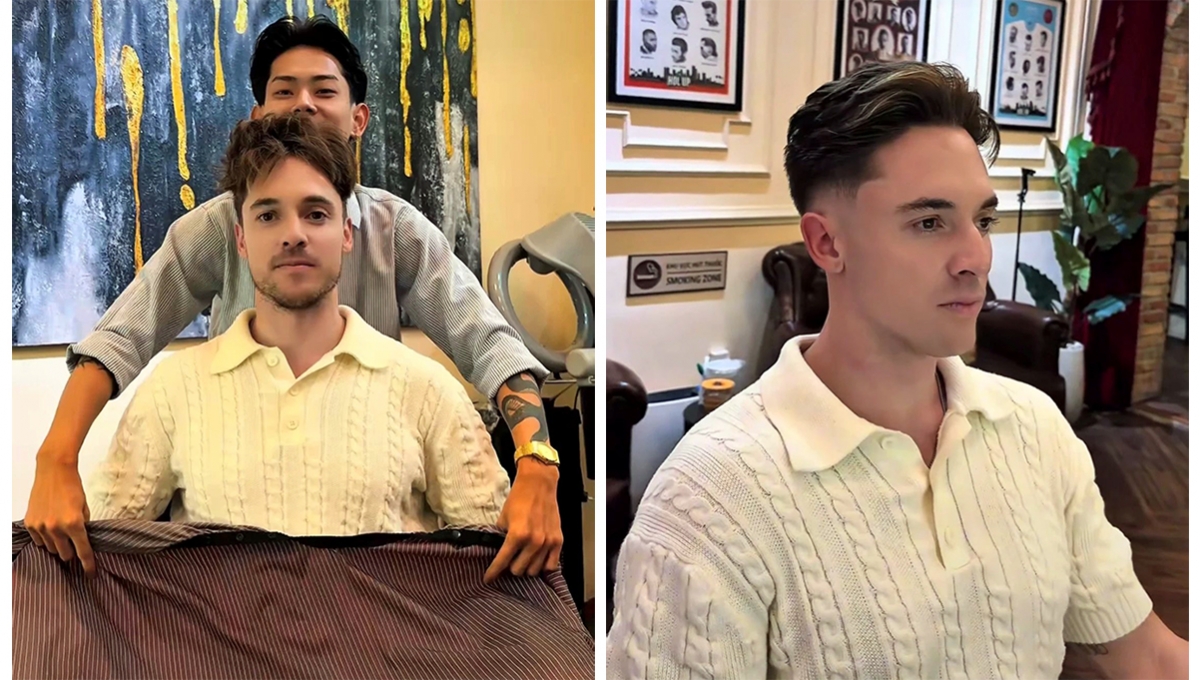
On February 5, Christian Weizenegger, 31, from Germany, visited a men’s barbershop on Dien Bien Phu Street in Ho Chi Minh City to freshen up his look ahead of the Lunar New Year. Having discovered the shop during one of his solo drives around the city, he decided to try its full grooming package.
For US$13, Christian received a service that included a haircut, shampoo, shoulder massage and styling.
On his TikTok channel with more than 120,000 followers, he ranked Vietnam’s haircut and massage services among the best globally, second only to Turkey, a country with a long-standing barbering tradition. According to him, the combination of reasonable prices, attentive service, skilled craftsmanship and welcoming atmosphere is rare in many other countries.
“Vietnamese barbers are highly talented, but their skills are not always fully recognised,” Christian shared, recalling that he simply sat down with an idea, and they brought it to life. When he left, he had a fresh hairstyle that perfectly suited his face.
Discovering Vietnam’s grooming culture
Since arriving in Ho Chi Minh City in May 2025, Christian has tried multiple barbershops, from roadside stalls to professional salons, and said he has been satisfied every time.
He admitted that haircut and massage services were not something he initially expected to stand out in Vietnam. However, the experience changed his perception and encouraged him to take better care of his appearance more regularly.
At the salon he visited, barbers spent significant time trimming small sections of hair with meticulous attention to detail until the overall style was perfected. High-quality products were used to protect the hair, followed by shampooing, styling and a relaxing shoulder massage.
“The style fits my lifestyle in Ho Chi Minh City, with a slight Vietnamese touch,” he said, adding they had even made him look a few years younger by shaving his beard and choosing a neutral hair colour.
Christian noted that one of Vietnam’s competitive advantages lies in its hospitality. Customers are warmly welcomed at the door and enjoy multiple add-on services, unlike in Germany and some other countries where haircuts are typically limited to basic trimming.
Prices are also significantly lower. While a haircut in Germany costs around EUR20 (approximately VND600,000), services in Vietnam range from VND60,000 to VND100,000 for basic packages. Despite the lower cost, professionalism remains high.
“When I enter a salon in Vietnam, I truly feel relaxed and pampered,” he said. “Haircuts, shampoo and massage here are almost impossible to replicate elsewhere. Other tourists would also be willing to spend on these services like I do.”
Growing potential for beauty and relaxation tourism
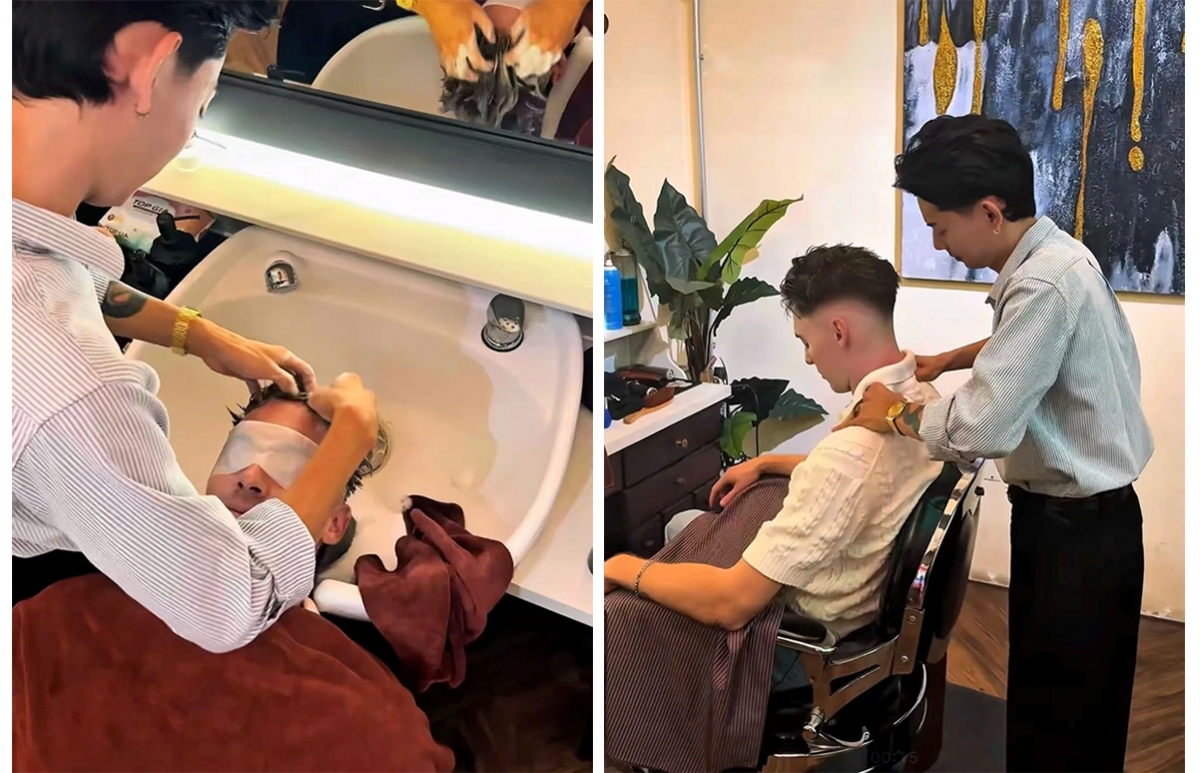
Recently, Vietnamese hair-washing services have gone viral on Chinese social media. Many Chinese visitors commented that after experiencing a professional hair wash in Vietnam, their standards changed, making it difficult to return to washing hair at home. Some even described Vietnamese shampoo products as “magical” for leaving hair soft without conditioner.
Affordable pricing is another factor encouraging repeat visits. Standard hair-wash services cost between VND50,000 and 100,000, while herbal therapeutic packages lasting 30–90 minutes range from VND100,000 to VND400,000. Compared to spa treatments in many other countries, these prices are widely considered good value.
Previously, foreign tourists have also traveled to Vietnam specifically for hair treatments due to the price advantage. A visitor from Singapore shared online that hair services in Ho Chi Minh City cost three to four times less than in her home country, while offering comparable quality. However, she noted that language barriers can sometimes pose challenges when discussing styling preferences.
According to the Executive Director for Vietnam at Klook, a travel and experience e-commerce platform, the trend of tourists seeking beauty and grooming services in Ho Chi Minh City is growing, creating opportunities to increase visitor spending and tourism revenue.
Industry observers believe that with improved branding and systemized operations in major cities, Vietnam’s beauty and relaxation services could develop into distinctive tourism products, comparable to beauty hubs in the Republic of Korea or Thailand. Due to favourable exchange rates, services such as spa treatments, nail care, dental services and hairstyling are often three to four times cheaper than in Singapore, Australia or the Republic of Korea.
To fully capitalise on this potential, experts suggest that businesses should develop standardised service chains in large urban areas, partner with online travel agencies (OTAs), and design targeted service packages tailored to specific markets, such as Chinese or Korean visitors.
If strategically developed, everyday and affordable grooming services in Vietnam could evolve into standout tourism products that attract greater international attention.
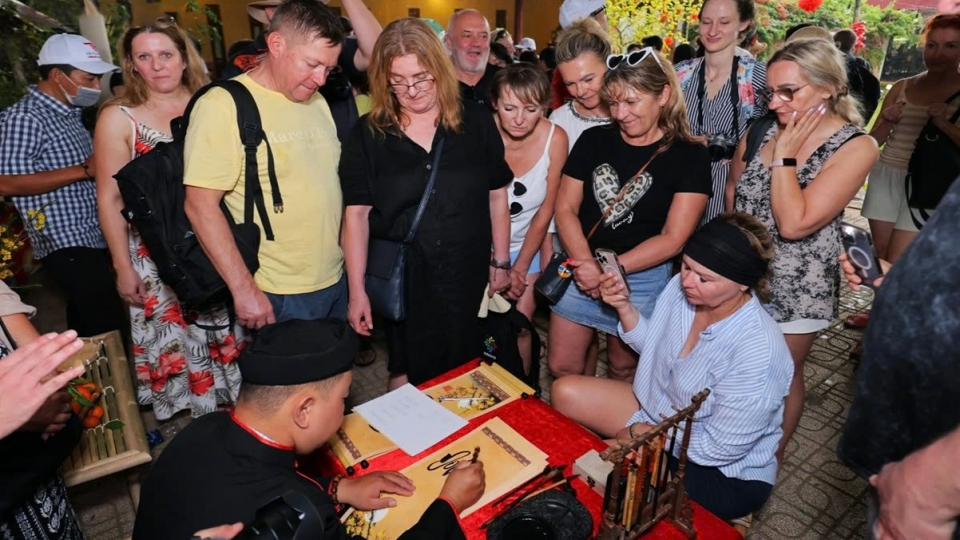
Foreigners dive into Vietnam’s Tet traditions, embrace festive flavours, family rituals
VOV.VN - Foreign visitors are stepping beyond sightseeing to immerse themselves in the cultural traditions of Vietnam’s Mekong Delta, taking part in hands-on Lunar New Year (Tet) preparations ahead of the Year of the Horse 2026.