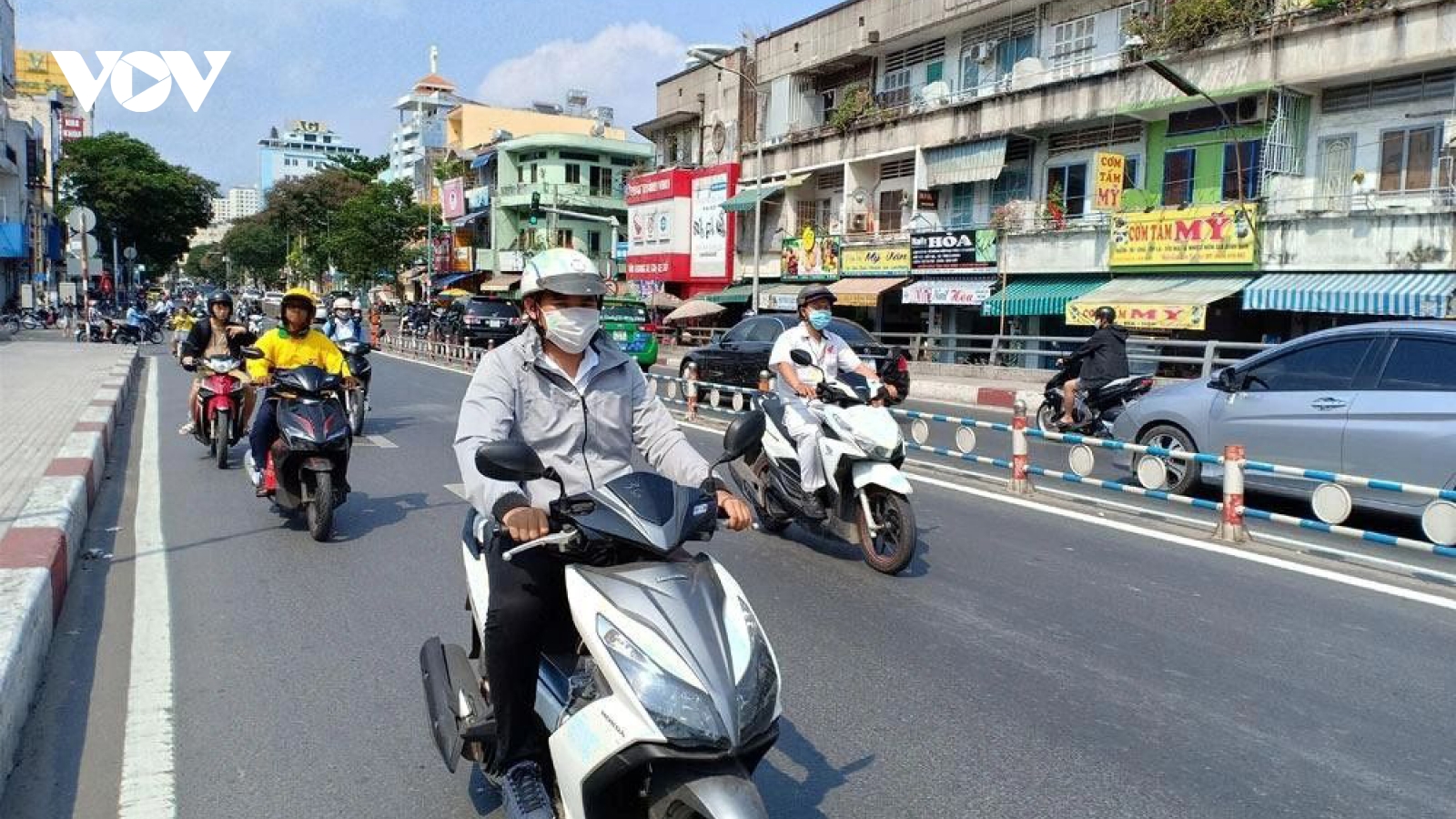
Warmer, shorter Spring in northern Vietnam reflects changing climate trends

VOV.VN - Northern Vietnam is experiencing an unusually warm, short spring, with weather patterns deviating from long-established seasonal norms and pointing to a broader shift linked to climate change.
Instead of the typical prolonged drizzle, persistent humidity and late cold spells, this year’s spring has been marked by frequent sunshine and rapidly rising temperatures, at times resembling early summer conditions.
According to Truong Ba Kien, deputy director of the Centre for Meteorological and Climate Research, these changes are not isolated but reflect a pattern observed in recent years, with the transition from winter to spring becoming shorter, warmer and more volatile.
Observational data show that during the 2025–2026 winter, average temperatures in northern Vietnam were 0.5 to 2°C higher than the long-term average. The anomaly became more pronounced from late February through March, with temperatures exceeding normal levels by 1 to 3°C.
Early heatwaves and increasing weather instability
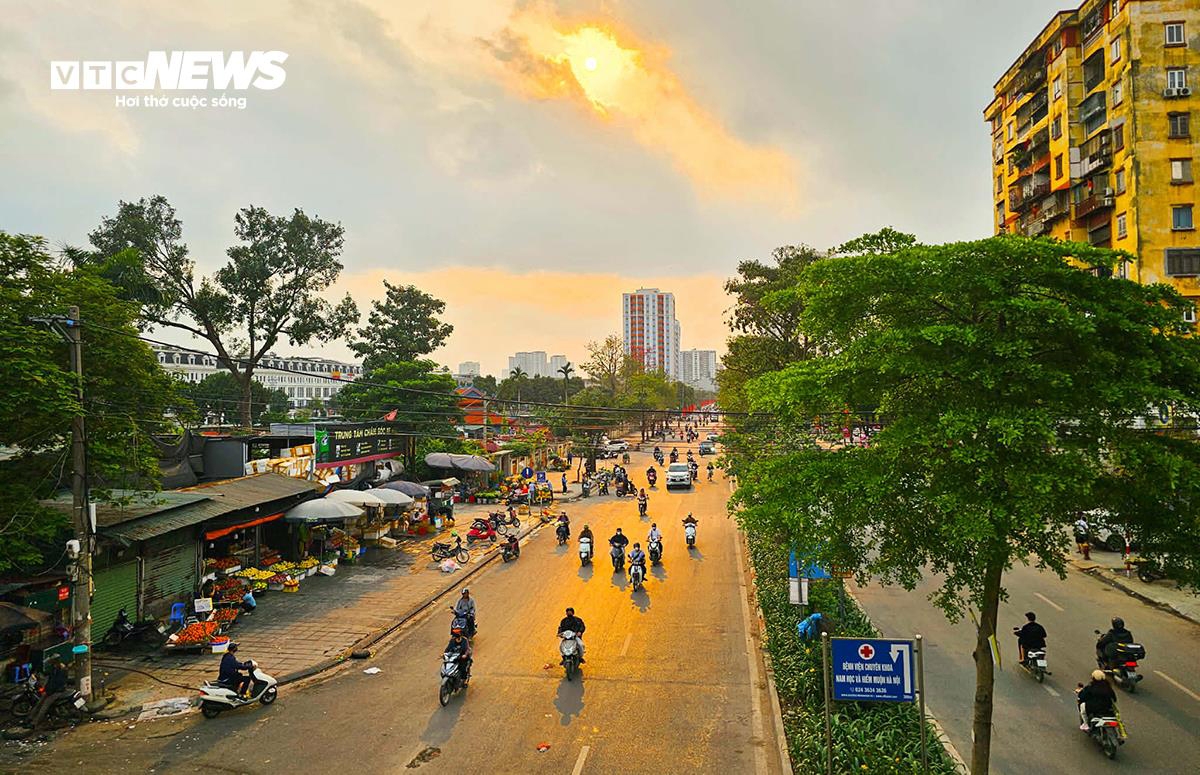
Northern Vietnam is forecast to experience its first widespread heatwave of the year by late March, with temperatures ranging from 33 to 35°C and peaking at up to 38°C in some areas.
Such conditions are considered unusual for this time of year, which traditionally features humid weather interspersed with weak cold spells, including the so-called “late cold snap” often occurring before the full onset of summer.
Drizzle and high humidity have still occurred but are now more intermittent, alternating with sunny periods and rapid temperature increases. This shift suggests that spring weather patterns are becoming less stable compared to the past.
Kien noted that the phenomenon of “spring resembling summer” has become increasingly common over the past 10 to 20 years, consistent with broader global climate trends.
The likelihood of further cold spells in the coming weeks is considered low. Any cold air incursions, if they occur, are expected to be weak and short-lived.
Intense heatwaves expected in 2026

Nguyen Van Huong, head of the Weather Forecasting Department at the National Centre for Hydro-Meteorological Forecasting, stated that in 2026, heatwaves in Vietnam are likely to occur earlier, last longer, and be more severe than the multi-year average, potentially even exceeding the intensity seen in 2025.
This situation is mainly due to the ongoing transition of the ENSO phenomenon. Currently, ENSO is in a weak La Niña phase, with sea surface temperatures in the central Pacific about -0.6°C below average by late February 2026. However, forecasts indicate that over the next three months, ENSO has an 80–90% chance of shifting to a neutral state, with only a 10–20% likelihood of remaining in La Niña.
From June to August 2026, ENSO is expected to stay in a neutral state but gradually lean toward a warm phase, with a 35–45% probability of transitioning to El Niño. This trend is likely to become clearer in early autumn and may fully develop into El Niño by the end of 2026 or early 2027.
This phase transition increases the uncertainty of extreme weather events globally and regionally. As ENSO leans toward a warm phase, trade winds weaken and atmospheric convection patterns shift, raising the likelihood of prolonged and extreme heatwaves in tropical regions, including Vietnam. Meanwhile, rainfall in some parts of Southeast Asia, particularly in southern Vietnam, may fall below multi-year averages later in the year.
In Vietnam, heatwaves have appeared since March 2026, widely affecting the Southeastern region, while the Northwest may experience localized heat. In April, heat intensity is projected to increase and spread to the Central Highlands and the Southwestern region; areas from Thanh Hoa to Hue will also start experiencing heatwaves.
From late May onward, heatwaves will expand across Northern and Central Vietnam, peaking in intensity during June–August 2026 and lasting for extended periods.
Implications for agriculture and adaptation
The changing weather pattern is expected to have a direct impact on daily life and agricultural production. Rising temperatures may accelerate crop growth but also disrupt planting schedules, increase pest risks and raise irrigation demand.
This requires the agricultural sector to adjust production plans and closely monitor weather developments to mitigate potential risks.
Overall, this year’s spring in northern Vietnam is characterized by higher temperatures and a faster rate of warming - an indication that summer may arrive earlier than usual, with localized heatwaves likely in the near term.
Experts recommend continued monitoring of large-scale climate drivers to better assess weather developments in the coming months.
Northern Vietnam to see brief cold spell before first heatwave of 2026
VOV.VN - Northern Vietnam is set to experience a weak cold spell in the coming days before the first heatwave of 2026 arrives early next week, according to the National Centre for Hydro-Meteorological Forecasting.