Vietnam urged to harness “golden population” as rapid ageing looms

VOV.VN - Vietnam is facing an urgent policy challenge: how to fully harness its “golden population” advantage before entering a phase of rapid population ageing in the coming decades.
With around 70% of its workforce under the age of 40, the country currently enjoys favourable demographic conditions for economic growth, particularly in adopting science and technology. However, experts warn that without significant improvements in workforce quality, skills, and health, this advantage may not translate into long-term development gains.
Harnessing demographic dividend
According to projections by the United Nations, Vietnam is expected to officially become an ageing society between 2036 and 2038. The transition from an “ageing society” to an “aged society” is projected to occur in less than two decades, a faster pace than in many other countries, including Japan, which took 24 years to complete the same shift.
This rapid demographic transition raises concerns that Vietnam could “grow old before it becomes wealthy,” as the working-age population begins to shrink while demand for health care, social protection, and elderly care services rises sharply.
The trend is already evident in Ho Chi Minh City, the country’s largest economic hub. The city currently has more than 1.3 million people aged 60 and above, accounting for 12.5% of its population - a figure expected to reach 20% by 2030. The rapid increase in the elderly population is placing mounting pressure on urban planning, healthcare infrastructure, and social services.
In this context, effectively leveraging the current demographic dividend while proactively adapting to population ageing has become critical for ensuring sustainable socio-economic development.
Mounting pressure from rapid population ageing

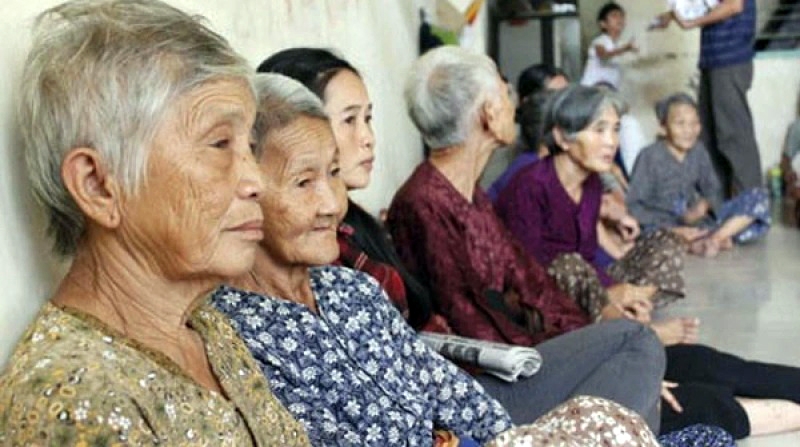
Dr. Hoang Tu Anh, director of the Centre for Creative Initiatives in Health and Population (CCIHP), said Vietnam currently has about 16.1 million elderly people, accounting for roughly 16% of the population. This scale poses significant challenges for the healthcare system, the labour markets, and social support services.
Older adults are particularly vulnerable to non-communicable diseases such as cardiovascular conditions, diabetes, osteoporosis, and cancer, which require long-term treatment. They are also at higher risk of dementia, depression, and infectious diseases due to weakened immunity.
On average, people aged over 60 live with three to four chronic conditions, while those over 80 may suffer from more than six simultaneously. Despite growing demand, Vietnam’s healthcare system remains underprepared. The country currently has only one central-level geriatric hospital, and many localities lack dedicated geriatric departments.
The shortage of specialized personnel is also severe, with just 0.8 geriatric doctors per 100,000 elderly people that is far below recommendations by the World Health Organisation. Rising treatment costs, particularly for high-tech services and specialised medicines, are further straining public health insurance funds and state budgets.
“Building a comprehensive elderly care system is now an urgent priority. This includes improving policy frameworks, clarifying stakeholder roles, and establishing service standards. Care models should be diversified, ranging from family-based and community care to public and non-profit institutions, ensuring equitable access,” said Dr. Tu Anh.
At the same time, greater investment is needed in training and supporting geriatric healthcare workers, as well as informal caregivers in the community.
Vietnam’s elderly population is projected to reach 18 million by 2045, accounting for 20% of the total population. Without timely and effective strategies, the country risks facing a “demographic crisis,” including labour shortages, increased dependency burdens, and growing pressure on healthcare and social security systems.
Economist Nguyen Tri Hieu noted that population ageing is a global trend affecting both developed and developing countries. In nations such as Germany and Japan, declining birth rates combined with longer life expectancy have accelerated demographic shifts.
“Population ageing is inevitable, but it brings profound challenges to economic structures and social systems,” he said.
For Vietnam, the dual pressures of rapid ageing and the opportunities presented by the digital era underscore the need for strategic policy responses that can both maximise the current demographic dividend and prepare the country for a rapidly ageing future.

Twins born 13 weeks apart successfully delivered in Vietnam
VOV.VN - Doctors in Hanoi have reported a rare obstetric case in which twins were born 13 weeks apart, marking an unprecedented medical achievement in Vietnam and an extremely uncommon occurrence worldwide.