




Vietnam unveils three draft post-quantum cryptography standards

VOV.VN - Vietnam has unveiled three draft national standards for post-quantum cryptography, including a digital signature algorithm developed domestically, as the country prepares to strengthen data security against emerging threats from quantum computing.
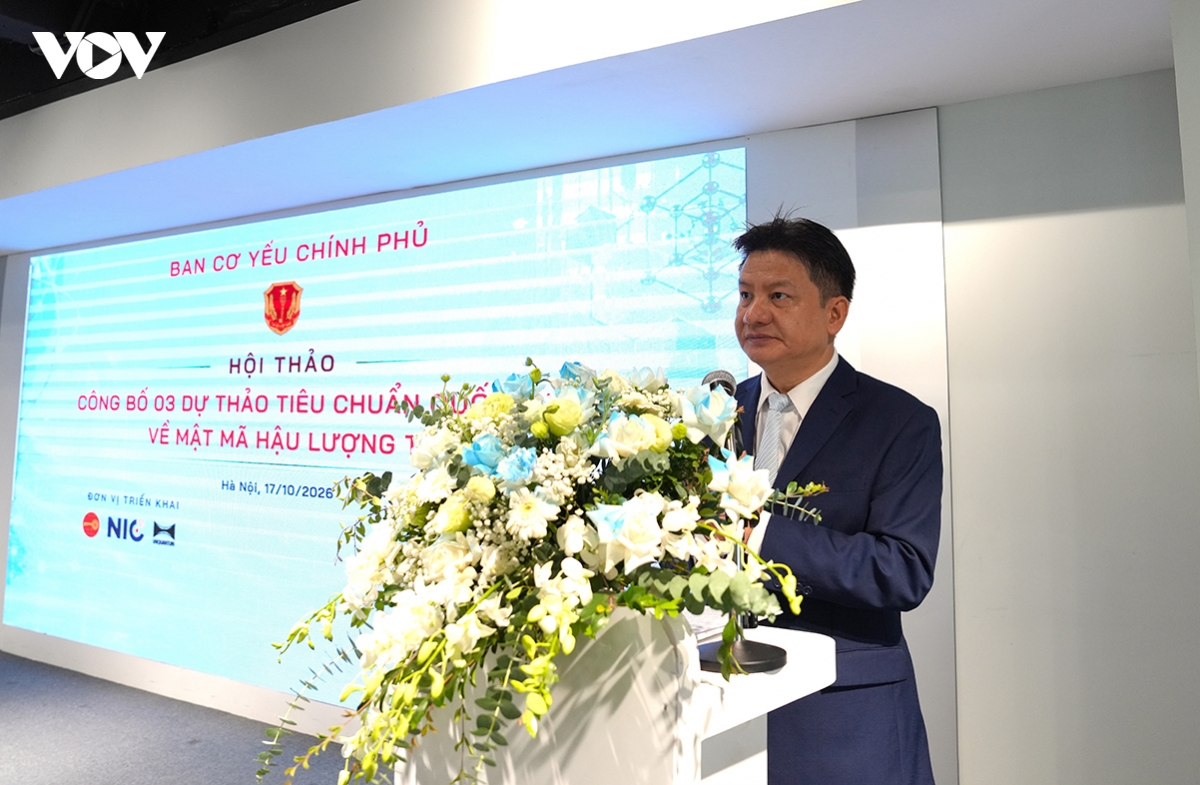
The Government Cipher Committee announced the draft standards at a workshop in Hanoi on October 17, marking a step towards developing cryptographic technologies capable of protecting information and critical information systems in the future.
The three drafts cover HB-PQSign, a post-quantum digital signature algorithm researched and developed in Vietnam; ML-KEM, a key encapsulation mechanism based on an international standard; and ML-DSA, a digital signature algorithm based on the international standard FIPS 204.
Vietnam prepares for the post-quantum transition
According to the Government Cipher Committee, advances in quantum computing pose a major challenge to information security, including the risk of encrypted data being collected now and decrypted in the future as more powerful computing capabilities become available.
In response, the Prime Minister has approved a scheme to develop a quantum-resistant cryptographic system for 2026-2035. The government has also drawn up a roadmap for transitioning to quantum-resistant cryptography over the same period.
The initial phase will involve reviewing cryptographic systems and assessing potential risks. From 2028, existing cryptographic technologies will gradually be combined with post-quantum cryptography, with the transition scheduled for completion by 2035.
Major General Ho Van Huong, deputy head of the Government Cipher Committee, said the transition roadmap is based on the principles of caution, coordination and continuity. Post-quantum cryptography (PQC) would serve as the main technological solution for nationwide adoption, while quantum key distribution (QKD) would play a complementary role, applied selectively to certain critical communication networks.
At the workshop, experts and researchers welcomed the committee’s proactive approach to developing post-quantum cryptography standards. Selectively adopting international standards while developing domestic algorithms would help strengthen Vietnam’s capacity to master core technologies and safeguard national security and digital sovereignty, they said.
Skilled workforce key to putting new standards into practice

However, turning research into practical applications will depend heavily on the availability of qualified specialists, according to Lieutenant General Dang Vu Son, former head of the Government Cipher Committee.
He stressed that cryptography specialists need strong technical expertise, adding that mastering cryptographic technologies is essential to maintaining secure communications. This required close coordination among regulatory bodies, research institutes, universities and businesses in training, research and product development.
The Government Cipher Committee also launched a dedicated website at the workshop to collect feedback and expert reviews from scientists, specialists and technology businesses on the three draft national standards.
The consultation process is intended to help refine the drafts, ensure their quality and bring them closer to leading international standards.
Japanese expert advises Vietnam on quantum technology strategy
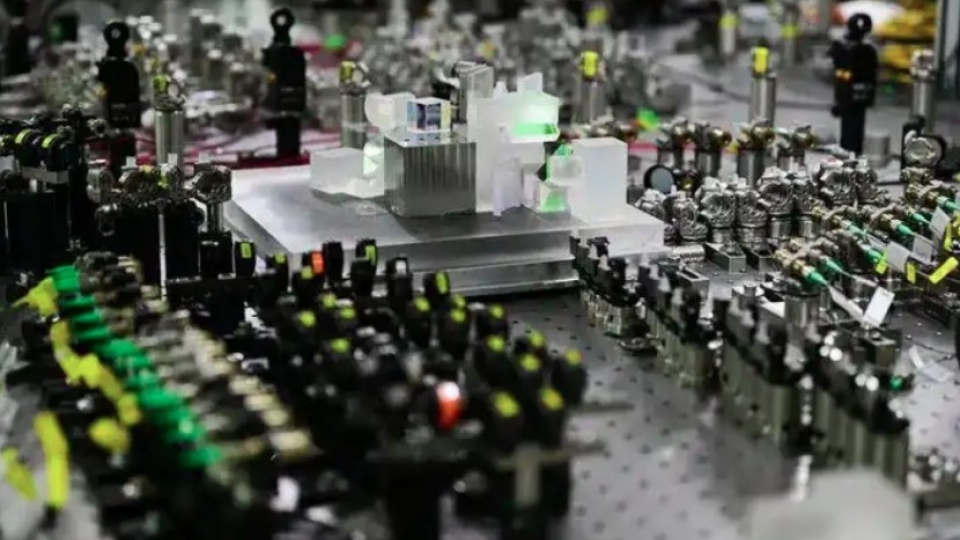
VOV.VN - Speaking on Japan’s development experience and bilateral cooperation prospects, Professor Takeuchi suggested that quantum sensing could serve as a suitable initial focus for Vietnam, given its broad civilian applications and lower investment requirements compared to quantum computing.


