Vietnam takes firmer stance on IUU fishing as it targets sustainable fisheries

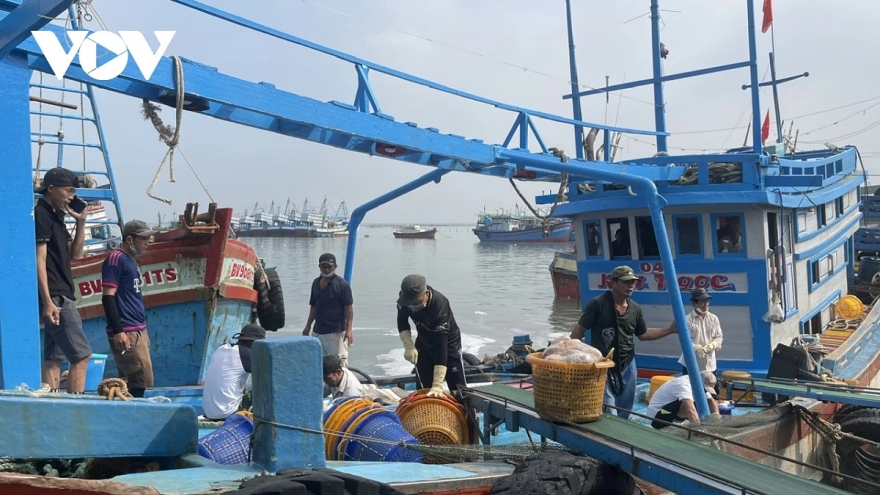
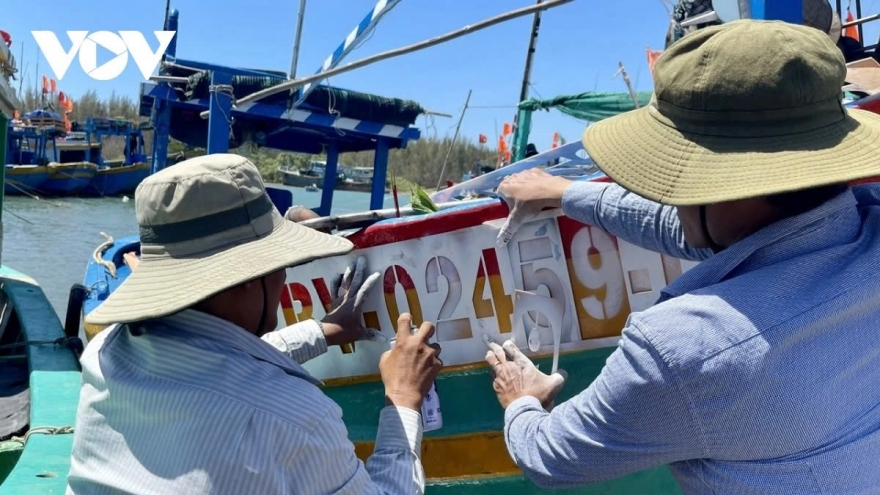
VOV.VN - Vietnam is taking strong action to address the root causes of illegal, unreported and unregulated (IUU) fishing, including tightening fleet management, vessel monitoring, catch traceability and strict enforcement against violations.
Among these measures, controlling and monitoring offshore fishing vessels is considered the most essential foundation to “say no to IUU fishing.” A key requirement is ensuring that 100% of fishing vessels measuring 15 meters or more are equipped with and maintain active Vessel Monitoring Systems (VMS).
In recent years, Da Nang City has implemented comprehensive IUU prevention measures in line with directives from the Party, the Government, the Prime Minister, and central ministries. Since 2024, no fishing vessels from the city have been detected operating illegally in foreign waters. However, the risk of violations remains. According to Colonel Phan Van Tri, Deputy Commander and Chief of Staff of Da Nang Border Guard Command, local forces are simultaneously strengthening public education and strictly handling violations.
“We have instructed all maritime units to fully deploy their personnel, equipment, and resources to enforce the regulations. Public awareness and legal education are our primary approaches to help fishermen understand their responsibilities in combating IUU fishing. However, for those who have already been informed and still deliberately violate the law, strict punishment will be imposed with no exemptions and no exceptions,” Colonel Tri emphasised.

Alongside stricter regulations and technical measures, Vietnam is increasingly enforcing strong and consistent penalties against IUU fishing violations. Fishermen who intentionally disable or destroy the VMS, operate illegally beyond designated fishing boundaries, or repeatedly commit offenses are subject to severe sanctions. These include administrative fines, licence revocations, vessel suspension, prohibition from fishing activities, and, in serious cases, criminal prosecution for illegal operations in foreign waters. Enforcement has been uniformly applied nationwide, with no regional leniency or exceptions.
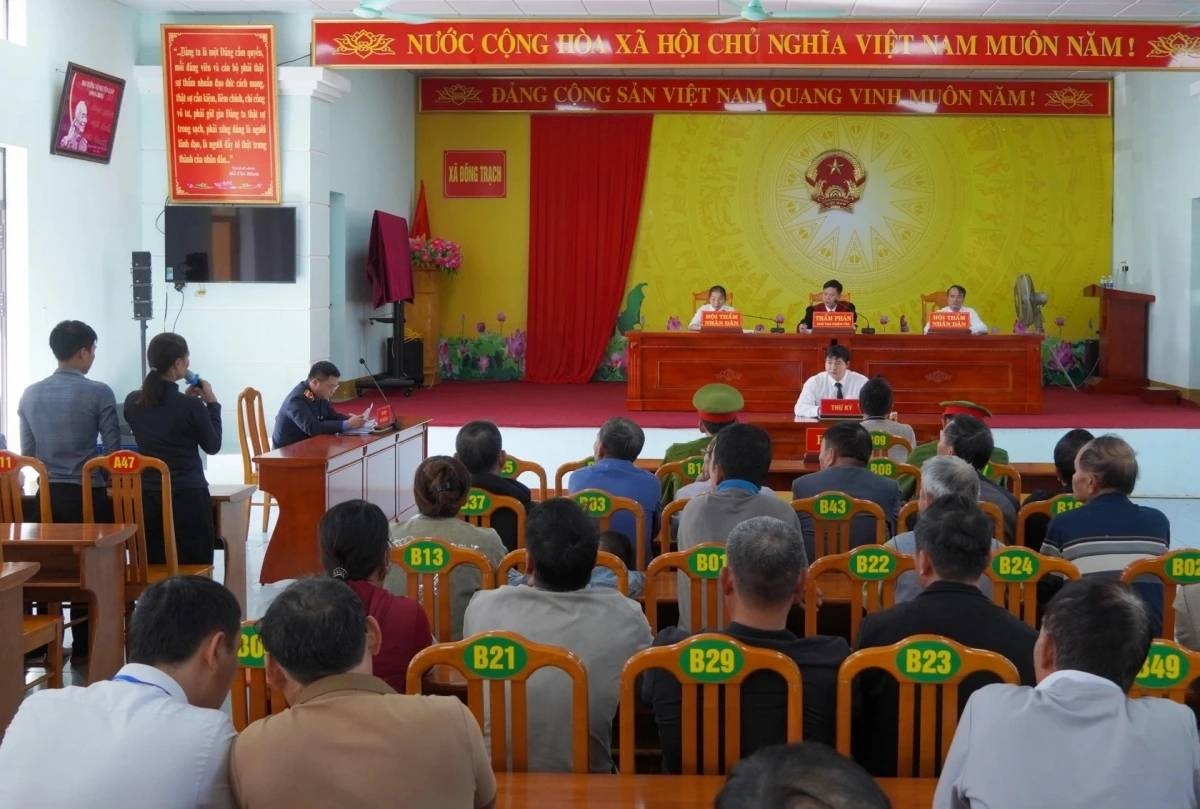
In mid-November, the People’s Court of Quang Tri province held a public mobile trial for a criminal case involving Nguyen Van Hanh, a 42-year-old resident of Dong Trach commune. He was convicted of “obstructing the operation of electronic equipment” and sentenced to three years in prison.
According to Luu Duc Ngoc, Vice Chairman of Dong Trach Commune People’s Committee, investigations revealed that Hanh had deliberately disconnected the power supply to two VMS devices to prevent data transmission before illegally fishing in foreign waters, where he was subsequently detained by foreign authorities. Such acts, Ngoc said, undermine Vietnam’s national credibility and ongoing efforts to lift the European Commission’s [B1] “yellow card” warning on IUU fishing, and therefore warranted strict legal punishment.
“The mobile trial attracted a large number of local residents, especially fishermen,” Ngoc recalled. “It served as a powerful message, helping the community clearly understand their responsibilities and the serious legal consequences of tampering with vessel monitoring devices.”
Strengthening the legal framework, ensuring strict law enforcement, and building a genuine traceability system are considered to be the passport for Vietnamese seafood to enter the global market. Vietnam has issued the 2017 Fisheries Law and various legal documents related to combating IUU fishing. Yet, to make these regulations effective, implementation must be consistent across the country without exemptions or relaxed enforcement at local levels.
To guarantee legality and transparency in harvested seafood, Vietnam is developing a robust, complete, and practical traceability system, rather than one based on formality or temporary compliance. Every catch must be clearly recorded, properly certified, and fully documented.
Fishing ports serve as the critical gateways determining which products may enter the supply chain. Only seafood verified as legal and fully monitored via Vessel Monitoring Systems (VMS) may receive certification. At Tho Quang Fishing Port in Da Nang, strict rules have been implemented: vessels with VMS turned off for 10 hours or more are suspended from entering the port; VMS data is synchronised in real time with electronic weighing systems and online software to eliminate management loopholes. At this port, any missing element in the catch traceability record such as fishing location, haul details or coordinates will result in the entire shipment being held.
“Tho Quang is both a storm shelter for vessels and a controlled inspection area. Following directives from the central Government and the city on combating IUU fishing, we have designated a separate area for ‘three-no’ vessels (no registration, no license, no VMS) to facilitate oversight. Currently, enforcement cooperation and catch control at the port are being carried out strictly and effectively,” said Nguyen Lai, head of the Tho Quang Port and Anchorage Management Board.
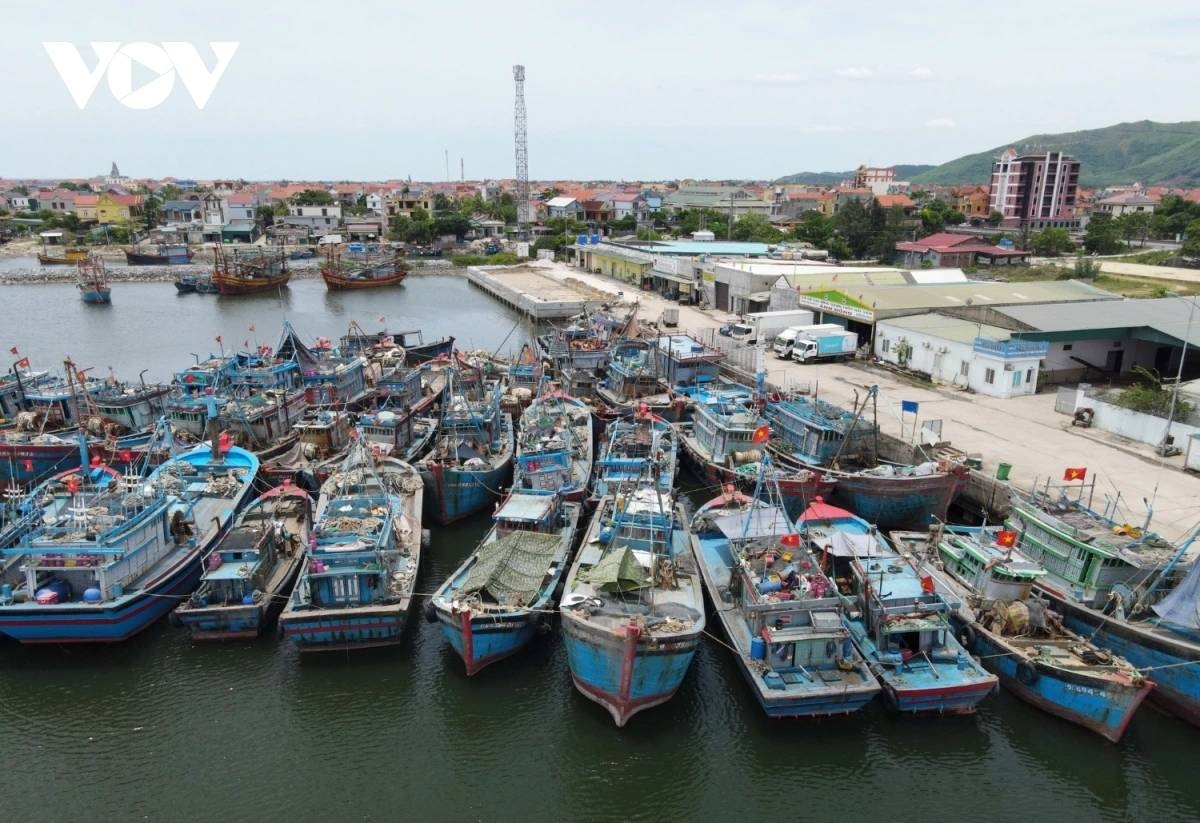
Vietnam has recently intensified sanctions against IUU fishing, particularly for repeat offenses and illegal operations in foreign waters. Quang Ngai province has emerged as a leading locality in IUU prevention efforts, having resolved all outstanding issues related to fishing vessel management, traceability, and enforcement.
Quang Ngai currently manages 4,850 fishing vessels, all of which have been registered and uploaded to the national database. Among these, 115 vessels deemed ineligible for licensing are being strictly monitored by local authorities and border guard forces, and are prohibited from going to sea. The province has also imposed strong penalties for illegal fishing abroad, including the prosecution and trial of two criminal cases related to IUU activities.
According to Do Tam Hien, Vice Chairman of the Quang Ngai Provincial People’s Committee, accountability is being tightened for leaders of relevant agencies and local authorities.
“If unqualified vessels are allowed to leave the port, or if management is relaxed, the heads of those units must be held responsible,” emphasized Hien. “Agencies under the Department of Agriculture, the Fisheries Sub-Department, and the Border Guard must strengthen their responsibilities. Any unit failing to meet its obligations will be subject to administrative inspection, to clarify accountability in combating illegal fishing.”
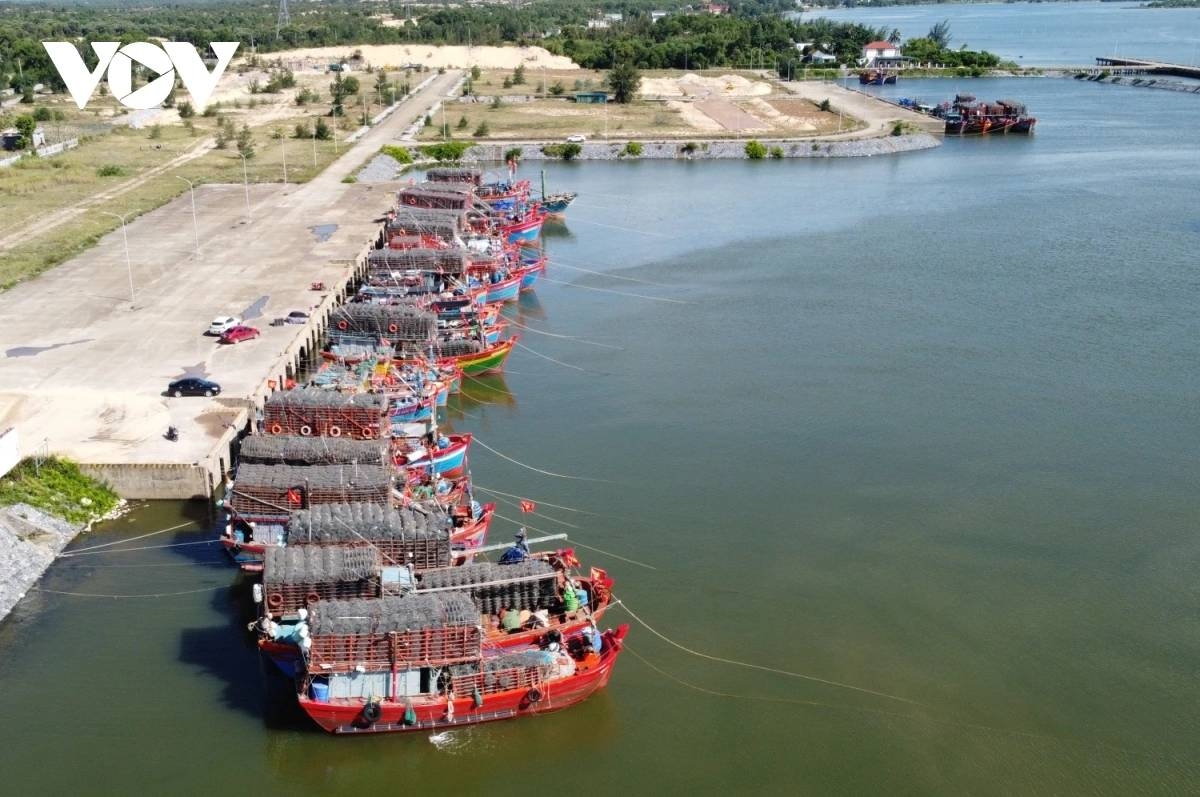
In the fight against IUU fishing, monitoring devices, traceability systems, and legal frameworks are only necessary conditions. The sufficient condition for sustainable change lies in the awareness and compliance of fishermen, vessel owners, and coastal communities.
For this reason, education, communication, and training are considered strategic priorities. Outreach efforts must go beyond warnings or reminders; they must clearly explain fishermen’s rights and obligations, as well as the consequences of IUU violations for livelihoods and national credibility. Each vessel owner and crew member must understand that compliance is not a temporary response, but a way to protect their profession, income, and the value of their seafood products.
Pham Van Nhan, Vice Chairman of the An Phu Commune Fisheries Union in Quang Ngai province, shared that local unions play a key role in helping fishermen follow regulations, especially in recording fishing logbooks as proof of legal origin.
“We regularly visit households to provide guidance and encourage fishermen to complete required procedures and commit not to fish illegally in foreign waters. The fishing logbook is the passport of Vietnamese seafood,” he noted.
More than eight years after receiving the European Commission’s “yellow card” warning, Vietnam has not only amended its regulations but is also establishing a modern fisheries governance system: a unified legal framework; strict enforcement; comprehensive traceability; and digital management of fishing fleets from offshore operations to port landing.
Currently, 100% of fishing vessels nationwide have been registered and uploaded into the VNFishbase national fisheries database. This data is now interconnected with the vessel control system managed by the Ministry of National Defence and the VNeID platform of the Ministry of Public Security, helping to eliminate inconsistencies among different information systems.
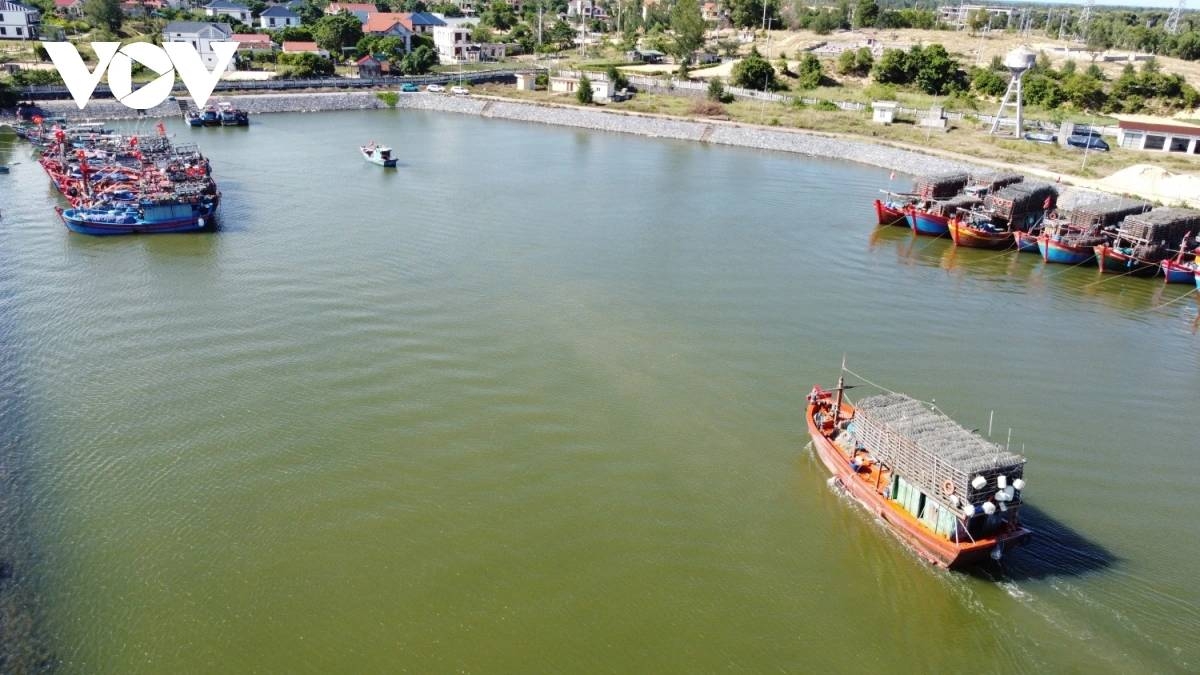
Minister of Agriculture and Environment Tran Duc Thang affirmed that Vietnam’s vessel monitoring system is being tightened and has produced clear results in supervising fishing activities at sea. Most violations involving loss of connection or crossing maritime boundaries have been detected and promptly handled. Notably, during the past week, no Vietnamese fishing vessel was found operating illegally in foreign waters - a rare outcome compared with the early period when the European Commission (EC) issued its yellow card warning.
According to the Minister, this progress reflects a shift from manual management to digital governance, and from merely reminding violators to strictly enforcing sanctions.
“These tightened measures are not to make life harder for fishermen, but to protect marine resources and the country’s reputation,” he stressed, adding this progress strengthens Vietnam’s position as the country enters the next phase of discussions and inspections with EC authorities.
Minister Thang also highlighted strong improvements at the local level, driven by direct weekly guidance from the Prime Minister and active participation from ministries, particularly the Ministry of National Defence and the Ministry of Public Security.
To date, Vietnam has fully completed legal revisions required by the EC, finalised vessel database verification, and ensured thorough traceability practices, investigation processes, and administrative penalties for violations.
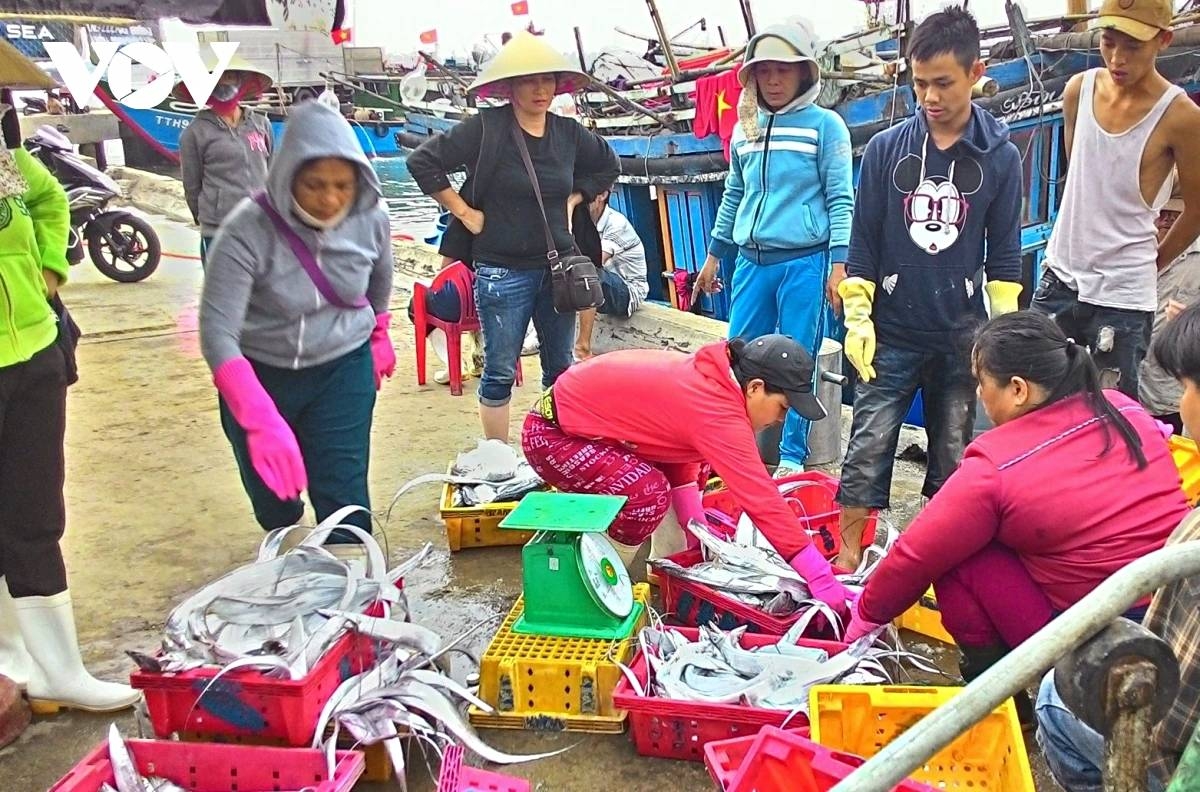
Beyond controlling fishing vessels and monitoring operations, Vietnam is restructuring its fisheries sector toward science-based management, conservation, and long-term economic efficiency. The focus is shifting from spontaneous exploitation to responsible fishing practices, while supporting fishermen in proactively transitioning to sustainable livelihoods.
Looking beyond the goal of regaining seafood access to the EU market, Vietnam sees the European Commission’s “yellow card” warning as an opportunity to restructure its fisheries sector. Rather than focusing on short-term extraction, the country is shifting toward responsible, science-based and conservation-driven practices. The challenge is becoming a force that accelerates governance reform and helps shape Vietnam’s identity as a transparent maritime nation committed to protecting the environment, global sustainability, and future generations.
When marine resources are restored, when fishermen are supported to adapt responsibly, and when the industry operates on the basis of data, technology and legal compliance, Vietnam will not simply lift the yellow card. More importantly, it will elevate its global credibility and secure a long-term, sustainable position in the global seafood value chain.
Deputy Minister of Foreign Affairs Nguyan Minh Hang noted that the EC has recognised Vietnam’s strong determination, particularly the Prime Minister’s weekly meetings with ministries and local authorities. What matters now is resolving outstanding violations from 2024 and previous years. The EC expects Vietnam to handle these cases decisively as proof that sanctions are effective, and these results will be crucial.

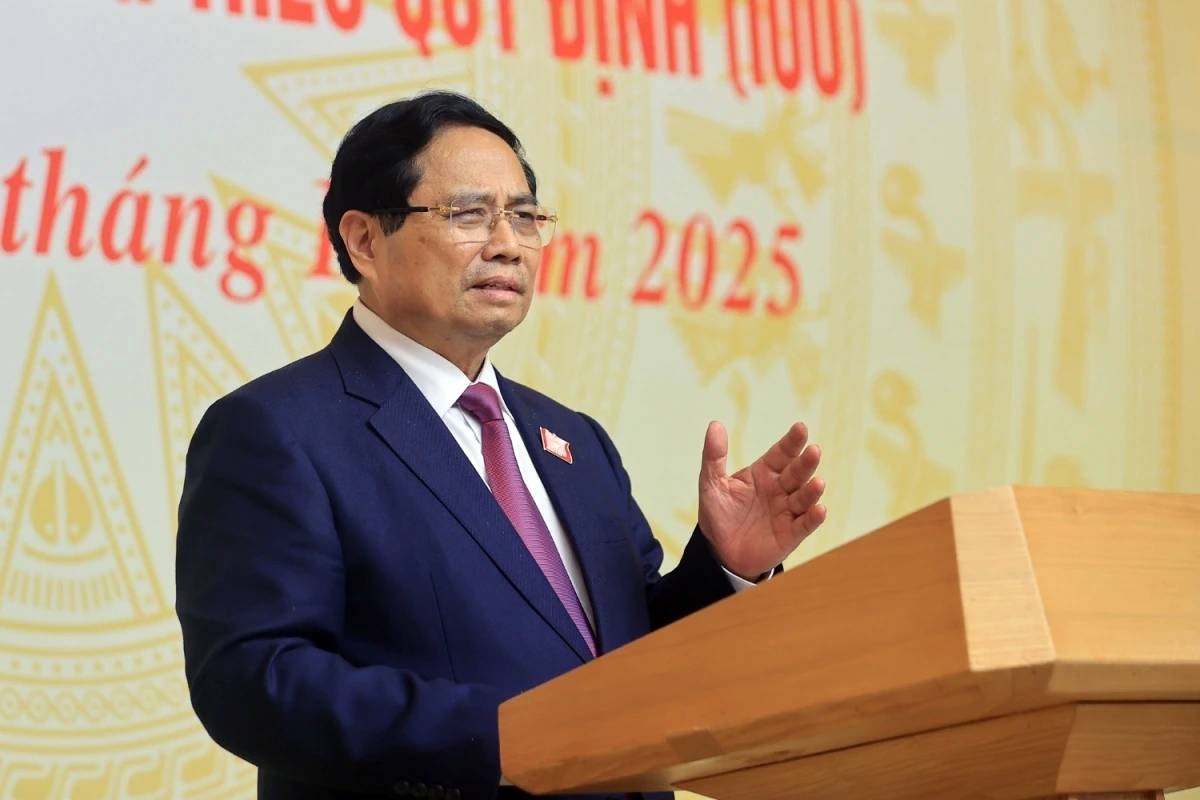
Prime Minister Pham Minh Chinh has warned that government leaders at all levels will be held accountable if IUU fishing violations continue, saying the country must enforce strict legal compliance from offshore operations to ports.
“The heads of ministries, sectors and local authorities will be directly and fully accountable to the Government and the Prime Minister,” he said at recent meetings of the National Steering Committee on IUU fishing. “If violations recur or progress in removing the EC’s yellow card is delayed, they must act proactively within their mandate. Management must be strict, sanctions must be firm, without leniency. This is about the reputation of our nation.”
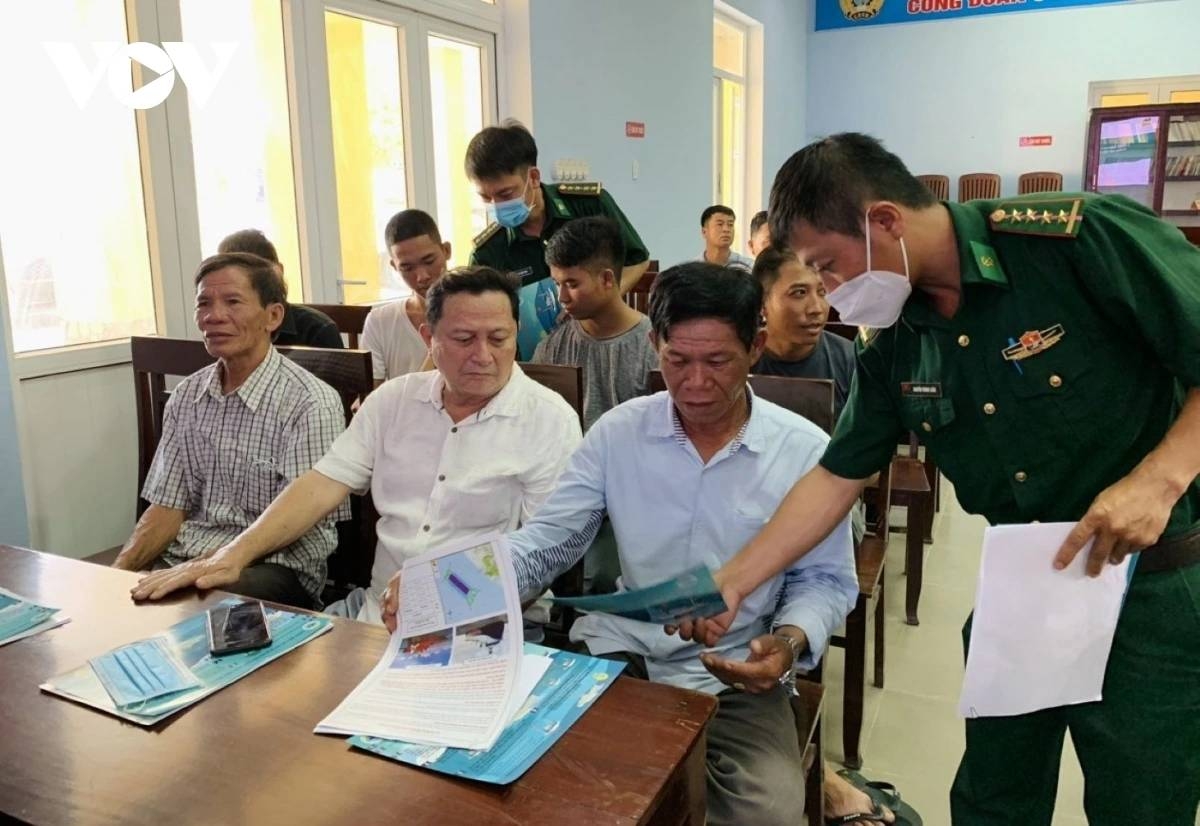
Vietnam is seeking to lift the European Commission’s yellow card warning on its seafood exports. Officials say the key lies not only in legislation and monitoring technology, but also in enforcing real compliance among fishermen and coastal communities.
Local practices are showing signs of change: fishermen are more diligent in logging catch records, while offshore teams have begun calling back vessels if they approach foreign waters.
Lifting the warning, officials say, could unlock broader reforms toward a sustainable fisheries sector in Vietnam, where digital data replaces ambiguity, fishermen follow regulations, and marine resources are protected. The effort, they add, is not just about trade access, but about building a responsible maritime economy and strengthening the country’s global reputation.
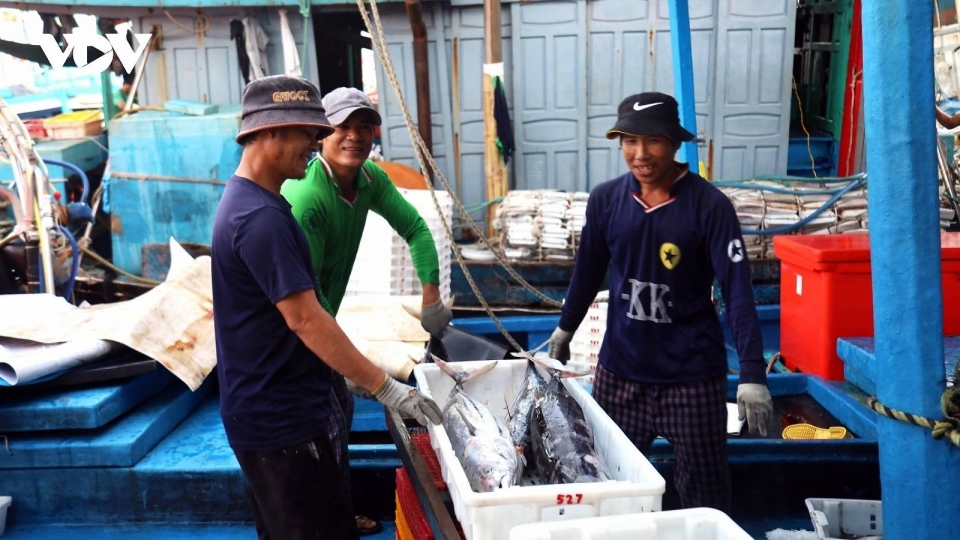
Vietnam struggles to lift yellow card as IUU fishing crackdown reshapes coastal economy
VOV.VN - More than eight years after the European Commission (EC) issued a “yellow card” warning against Vietnam for illegal, unreported and unregulated (IUU) fishing, its impact continues to reshape the country’s coastal communities, fisheries governance and export markets.