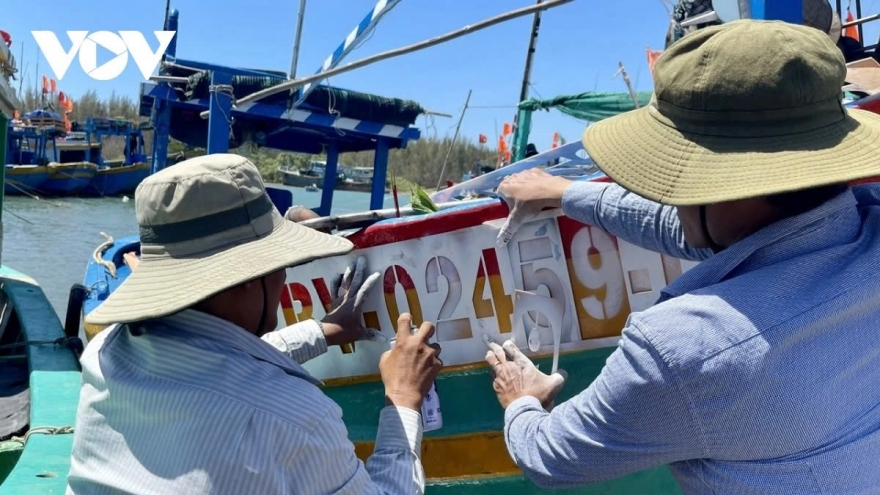
Vietnam struggles to lift yellow card as IUU fishing crackdown reshapes coastal economy

VOV.VN - More than eight years after the European Commission (EC) issued a “yellow card” warning against Vietnam for illegal, unreported and unregulated (IUU) fishing, its impact continues to reshape the country’s coastal communities, fisheries governance and export markets.
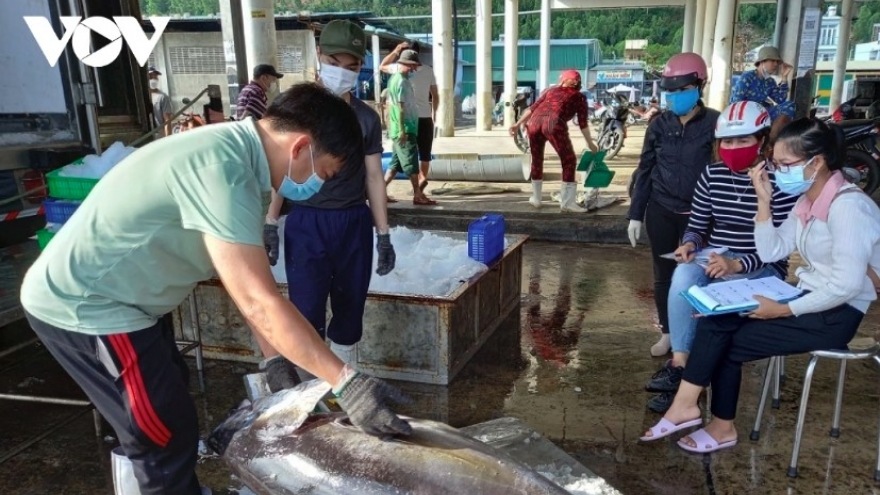
The warning, first imposed in October 2017, triggered strict inspection of all seafood exports from Vietnam to the European Union. Shipments now require full traceability, longer customs processing, higher testing costs and risk of cancellation. The prolonged restrictions have reduced competitiveness, forced businesses to shift to lower-value markets and affected incomes of thousands of fishing families, as well as tarnishing the country’s image internationally.
Nguyen Van Long, director of Hai Phu Seafood Import–Export JSC in Quang Ngai province, points out that exports to Europe had declined due to traceability requirements that many private ports and purchasers cannot meet.
“Seafood potential in Quang Ngai is high, but much of it enters private ports and cannot qualify for EU exports,” he says.
Fishing fleets grounded, habits change at sea
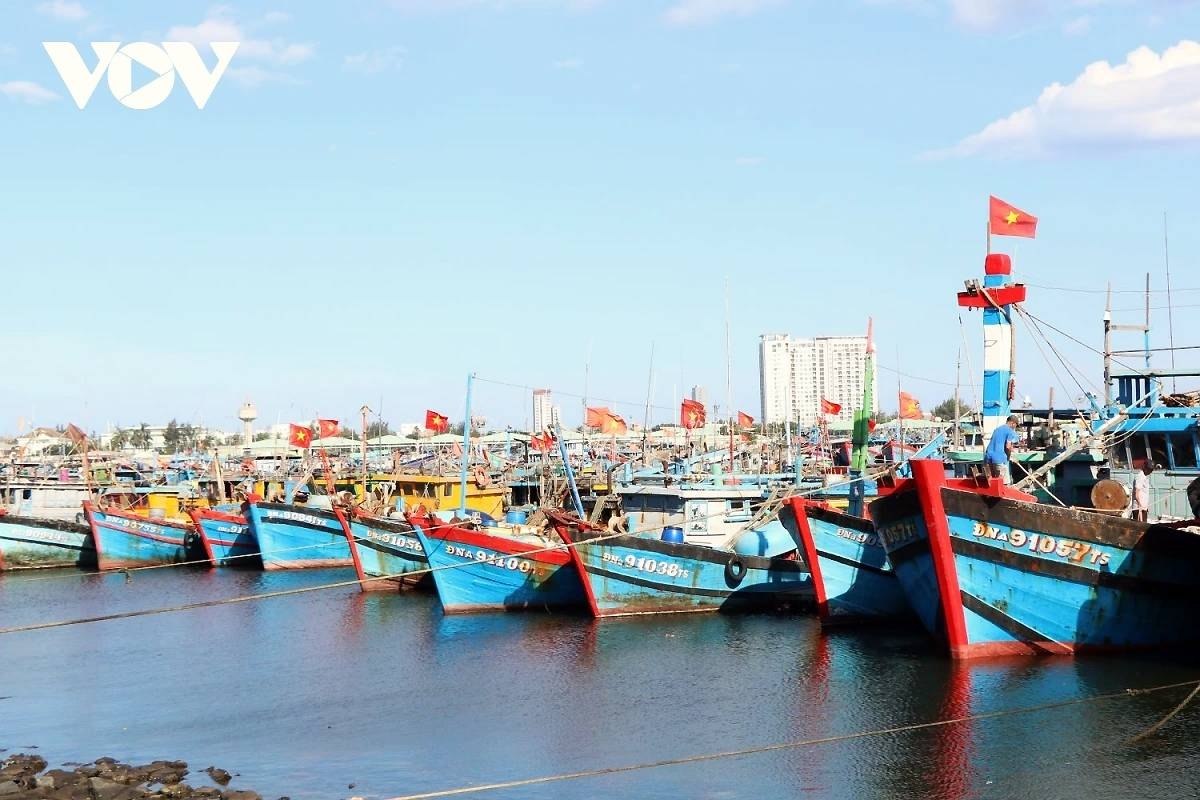
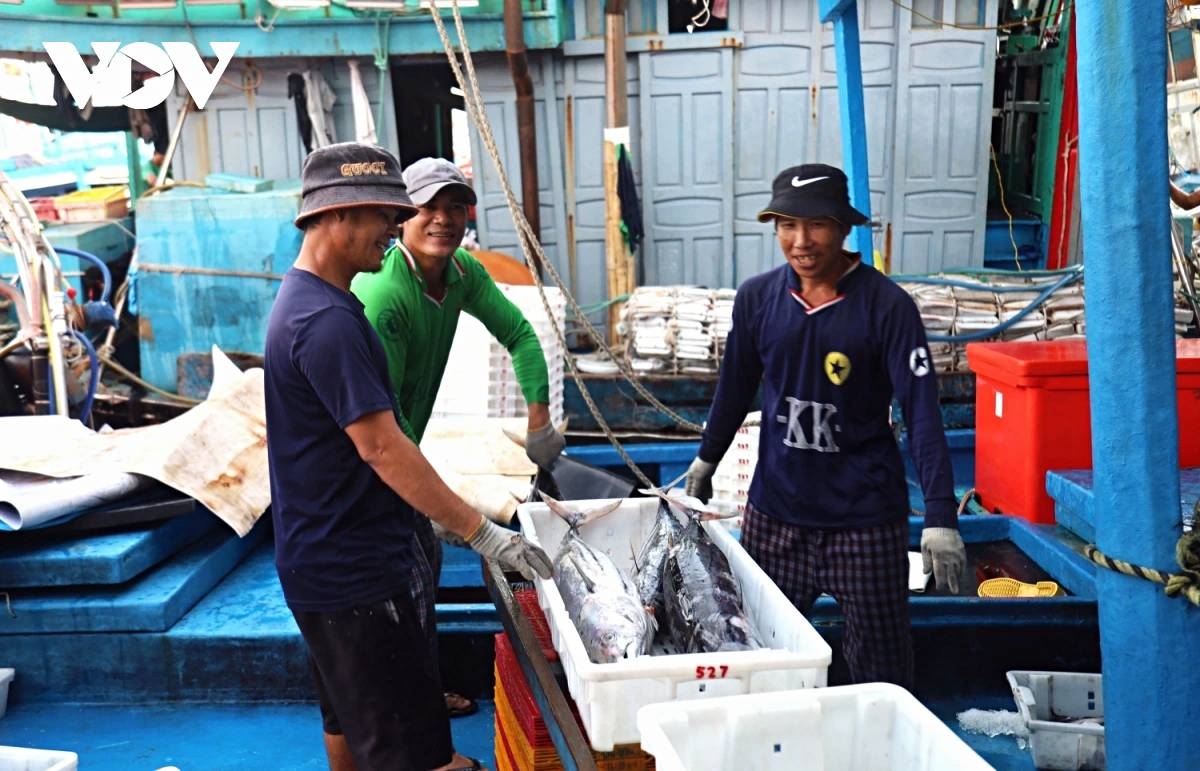
Tighter verification has pushed unqualified fishing vessels to stay ashore. Falling purchase prices, higher operational costs and stricter monitoring have forced many fishermen to switch jobs or reduce trips. Fishermen must now record logs, update vessel positions and maintain 24-hour monitoring.
Tran Van Doan, a fisherman from Quang Tri province, notes that compliance has become routine. Vessels must activate tracking devices two hours before departure and transmit coordinates every six hours.
“We need to strictly follow the rules if we want Vietnam to lift the EC yellow card. Violations in foreign waters must be punished severely,” he says.
National effort targets transparency and enforcement
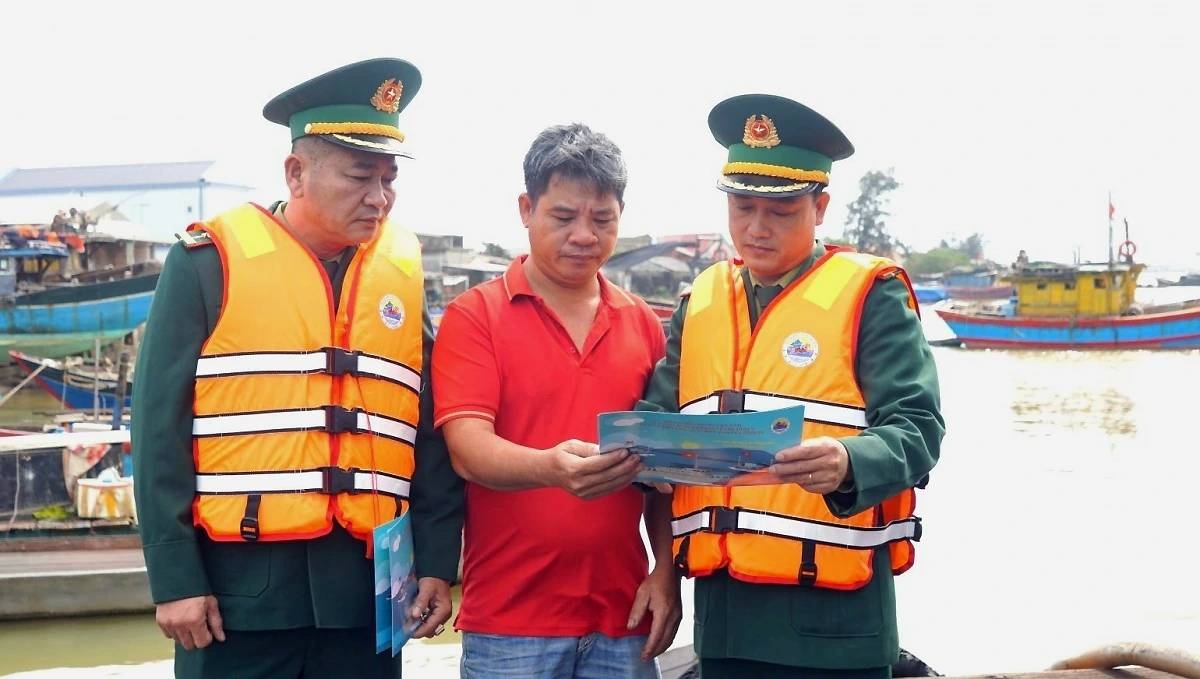
The EC warning has prompted Vietnam to restructure its fisheries toward stricter monitoring, modernisation and sustainability. The Political Bureau, the Secretariat, and the Government of Vietnam have issued directives on combating IUU fishing with a view to removing the yellow card warning. The fight against IUU fishing is defined as a consistent and urgent political task aimed at protecting national interests, ensuring sustainable marine economic development and improving the livelihoods of fishing communities.
Key measures include stricter control of vessels that operate without registration, without fishing licences or without proper vessel monitoring systems; tougher penalties for violations; legal reforms; wider use of technology; and livelihood transition programmes for fishermen. Leaders across all administrative levels are held accountable for enforcement outcomes.
Local provinces now share real-time information on high-risk vessels, loss of Vessel Monitoring System (VMS) signals and enforcement. According to Captain Mai Xuan Truong of the Border Guard Command in Quang Tri province, enforcement has shifted from persuasion to punishment. Authorities are focusing on vessels with no registration, no licenses or no tracking systems.
“Severe sanctions are necessary to deter violations,” Truong says.
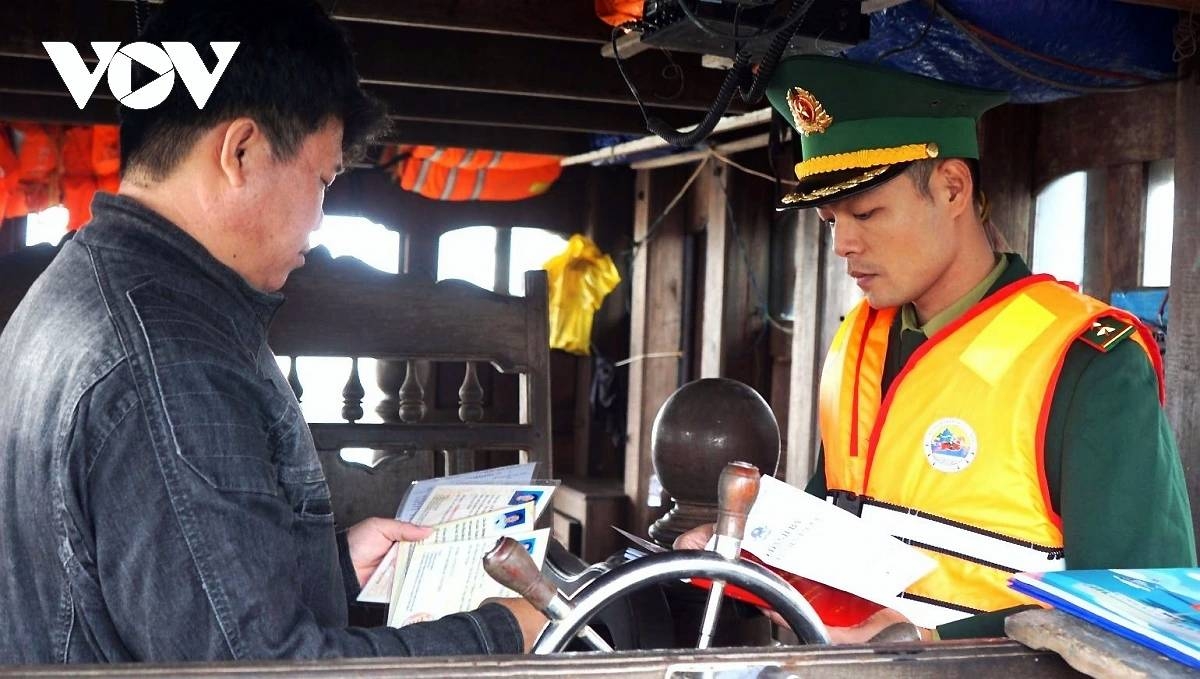
Despite improvements, illegal border incursions and signal tampering persist. Some vessels still lack or disable monitoring devices, penalties remain insufficiently deterrent in some areas, and traceability documentation is not fully transparent.
Hoang Hai Minh, vice chairman of Hue city, states that authorities are blocking unqualified boats from leaving port and physically disabling high-risk vessels. “We remove steering systems on unlicensed boats to prevent them from operating,” he says.
2025 target to lift EU warning
Vietnam’s leadership views the removal of the yellow card as a national priority tied to economic development, international reputation and maritime sovereignty. Deputy Prime Minister Tran Hong Ha has ordered coastal provinces to prohibit unqualified vessels from operating, adding that local authorities will be held accountable.
Officials emphasise that compliance requires not only equipment investment but a transparent fisheries management system backed by strict enforcement and behavioural change among fishermen. The yellow card, they say, is both a penalty and an opportunity to protect marine resources and secure Vietnam’s position in global trade.

Vietnam steps up anti-IUU efforts, determined to lift EU “yellow card”
VOV.VN - Vietnam has been intensifying efforts to meet the European Commission’s (EC) recommendations on combating illegal, unreported and unregulated (IUU) fishing, aiming to have the EU “yellow card” removed in 2025.