Vietnam seeks structural reforms to retain public-sector doctors

VOV.VN - Vietnam is stepping up reforms to improve compensation and working conditions for public-sector doctors, as income gaps with the private sector continue to fuel concerns over talent retention and workforce mobility.
While recent policy adjustments have raised base salaries and expanded allowances for medical staff, experts say more fundamental reforms are needed to ensure long-term sustainability of the public healthcare system.
Income improvements but persistent gaps

In recent years, Vietnam has introduced a series of measures to enhance incentives for healthcare workers. Entry-level salaries have been adjusted upward, special allowances in disadvantaged areas can now reach up to 100% of base pay, and housing support has been introduced for high-quality medical personnel. Beginning in 2025–2026, newly recruited doctors will be placed directly at salary grade 2 instead of grade 1.
Despite these improvements, income levels at many public hospitals remain significantly lower than those in the private sector. Night-duty allowances currently range from approximately VND18,000 to VND100,000 (less than US$4) per shift, a figure widely viewed as disproportionate to workload intensity and professional risk.
The disparity has contributed to a steady shift of medical personnel from public hospitals to private facilities, raising concerns about potential brain drain within the public health system.
Working environment seen as decisive factor

According to Dr. Do Doan Bach of the Cardiovascular Institute at Bach Mai Hospital, income alone does not determine whether physicians stay in the public sector.
“Income is necessary for living, but long-term commitment depends on working environment, professional safety and opportunities for development,” he says.
Dr. Bach notes that while major public hospitals have sought to improve conditions for staff, they continue to face financial pressures, administrative constraints, procurement bottlenecks and patient overload. In contrast, many private hospitals offer clearer task allocation, stronger support teams and better-equipped facilities, enabling physicians to focus more exclusively on clinical practice.
He adds that many young doctors are attracted not only by higher pay but also by structured career pathways, reduced administrative burdens and improved work-life balance.
Special sector, special policies

Associate Professor Dr. Tran Dac Phu, a public health expert and former senior official at the Ministry of Health, emphasises that health care is a highly specialised sector requiring lengthy training, high professional responsibility and significant social accountability.
He acknowledges that despite stronger political attention and policy support in recent years, income levels in the public system still lag behind private healthcare providers. However, he cautions against direct comparisons, noting that public hospitals must fulfill universal healthcare obligations, particularly for low-income and vulnerable populations, while many preventive health services rely almost entirely on state funding without direct revenue streams.
Regarding hospital autonomy, Dr. Phu describes it as both an opportunity and a challenge. While financial autonomy allows greater operational flexibility, public hospitals must continue to uphold their social mission and avoid overemphasising revenue-generating services at the expense of preventive medicine, research and training.
Beyond allowances: Toward structural reform
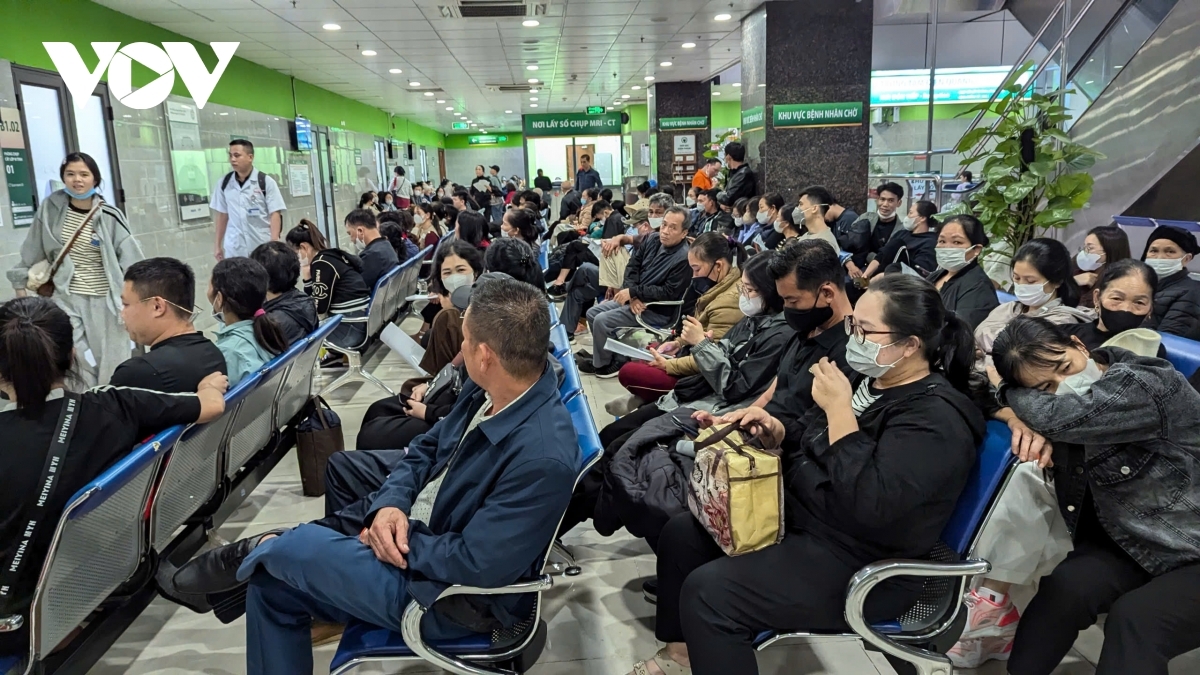
Experts argue that incremental allowances are insufficient to address systemic issues. Sustainable retention of public-sector doctors will require deeper reforms, including ensuring that base salaries provide adequate living standards, establishing tailored compensation mechanisms for high-risk specialties such as emergency care and surgery, strengthening legal protection for healthcare workers, reducing administrative workload and expanding professional training opportunities.
In the context of rising social expectations and increasing medico-legal risks, a transparent legal framework and supportive professional environment are considered critical to restoring confidence among medical personnel.
“Health care is a special sector, and policies for it must also be special,” Dr. Phu stresses.
As Vietnam advances broader healthcare reforms, retaining high-quality medical professionals within the public system is increasingly viewed not merely as a labour issue, but as a strategic priority for ensuring equitable and sustainable healthcare access nationwide.

Referral reform boosts patient benefits but places pressure on top-tier hospitals
VOV.VN - Vietnam’s nationwide health insurance referral reform, effective from July 1, 2025, has expanded patient benefits and improved access to medical services.