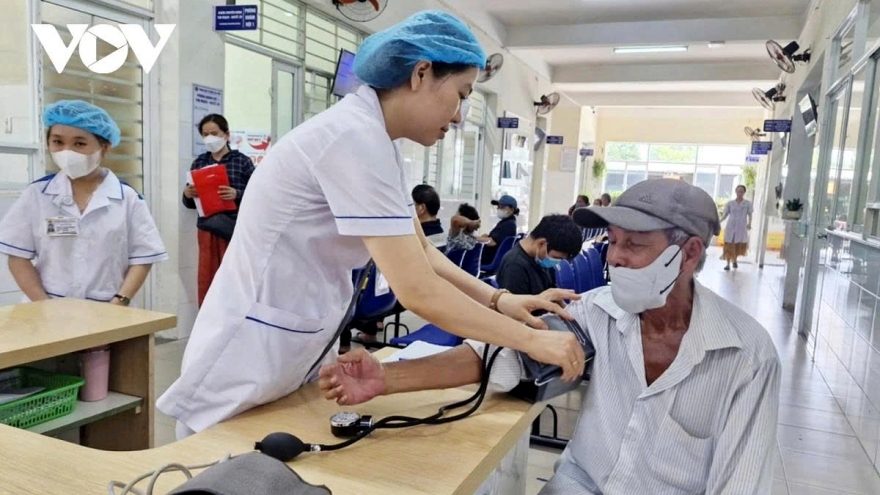
Referral reform boosts patient benefits but places pressure on top-tier hospitals

VOV.VN - Vietnam’s nationwide health insurance referral reform, effective from July 1, 2025, has expanded patient benefits and improved access to medical services.
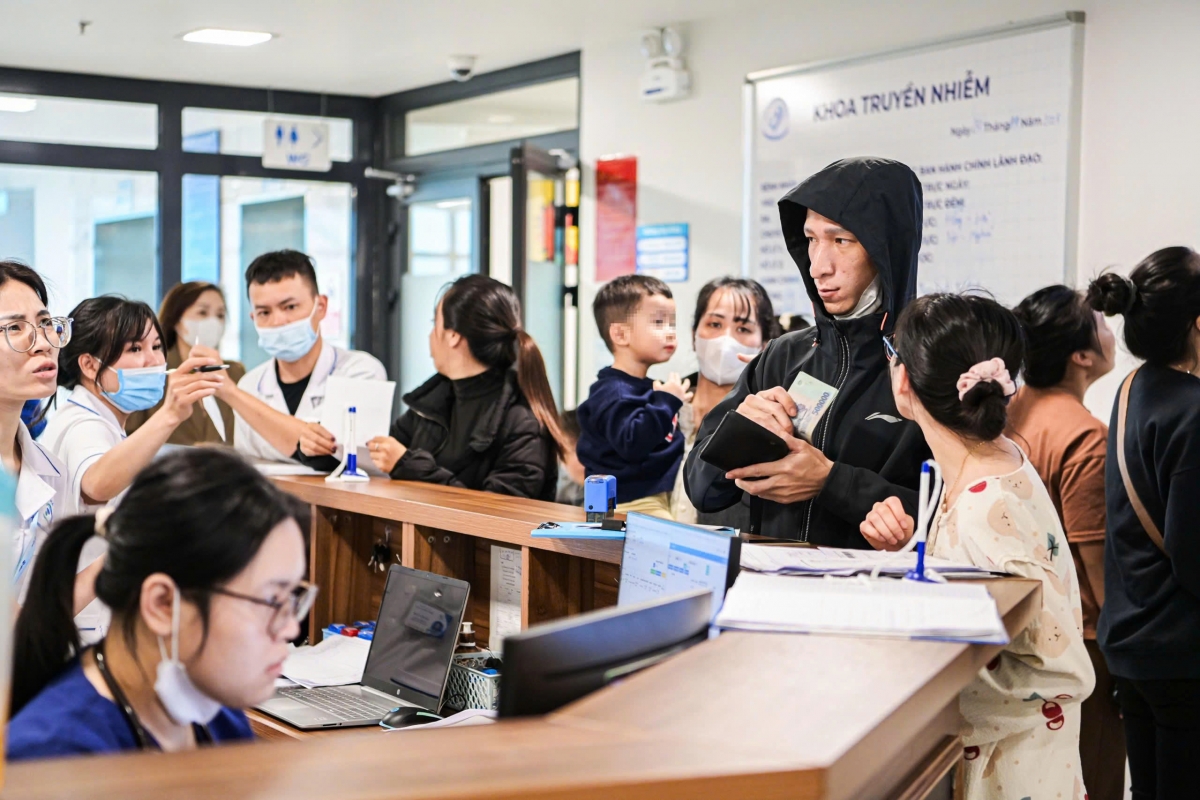
However, the policy has also triggered a rapid surge in patients seeking care at provincially- and centrally-run hospitals, underscoring the urgent need to strengthen primary healthcare capacity to prevent overcrowding and maintain treatment quality.
Under the new regulation, patients with health insurance may seek medical care at any facility nationwide, regardless of administrative boundaries, initial registration sites, or referral requirements, even for rare or serious diseases. The reform significantly reduces administrative procedures, broadens entitlements, and facilitates access to specialised care, particularly for patients who must travel long distances.
In addition, health insurance holders now benefit from home-based care reimbursement and co-payment exemptions for individuals with continuous insurance coverage of at least five years. These improvements have been widely welcomed as they ease the financial burden on millions of patients.
For patients with chronic or severe conditions, the change is particularly meaningful. Tran Van Ngoc of Ninh Binh province, who suffers from stage 3 chronic kidney disease, says he previously had to pay for out-of-pocket services when referral requests were denied. He describes the new policy that allows 100% coverage for severe and rare diseases without referral requirements as a “lifeline,” reducing both administrative hurdles and financial strain.
“For a seriously ill patient like me, going directly to a higher-level hospital without worrying about complicated administrative procedures is truly a welcome change. The financial burden has also eased significantly,” he shares.
Patient surge driven by “higher-level is better” mindset
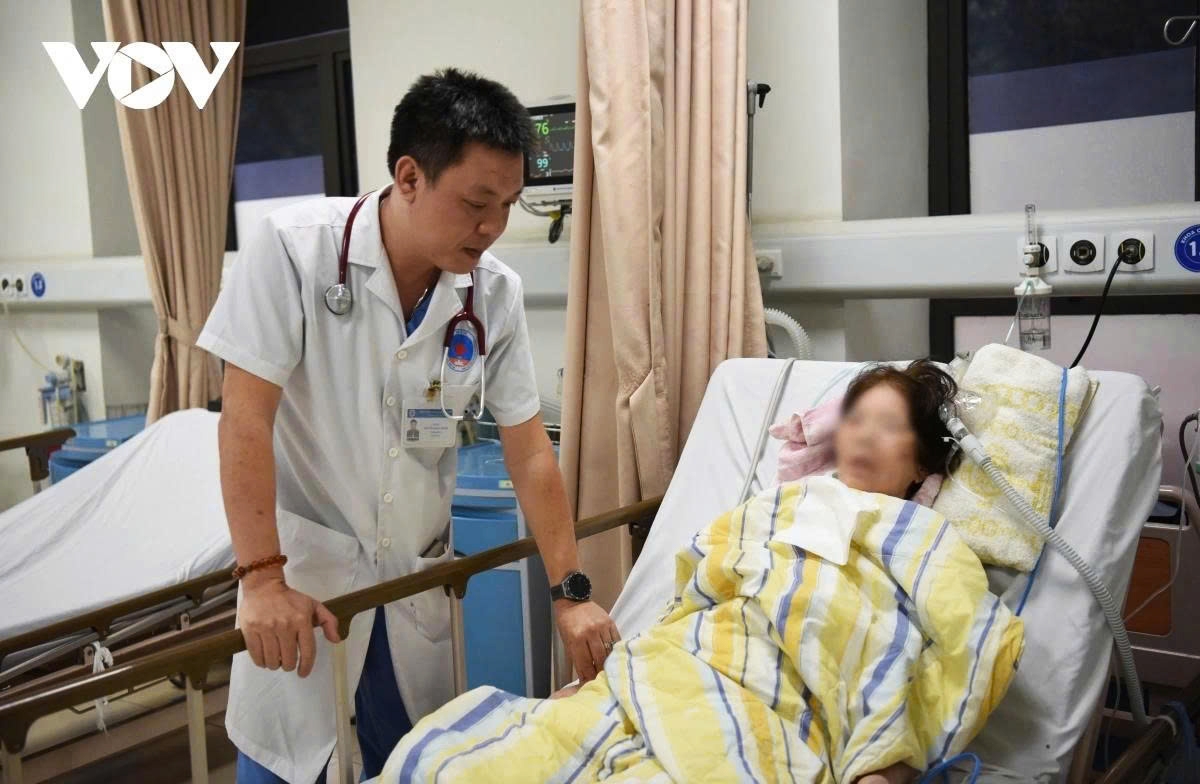
Dr. Nguyen Dang Khiem, Head of the Emergency Department at Vietnam – Russia Friendship Hospital, notes that while the nationwide referral policy benefits patients, it also places considerable strain on higher-level institutions. The professional quotes statistics, saying his hospital has seen a 10–20% increase in outpatients since the policy took effect. Although administrative procedures have been streamlined, many patients with minor conditions still bypass lower-level facilities, assuming that higher-level hospitals offer better care.
According to Dr. Khiem, rising patient volumes risk diminishing care quality, as doctors have less time per patient and must extend working hours to keep pace. While the Vietnam-Russia Friendship Hospital has not yet faced severe overload, he says many other hospitals are struggling.
He emphasises that the core challenge lies not in the policy itself but in the lack of public confidence in grassroots-level health care. Strengthening primary care capacity and encouraging appropriate care-seeking behaviour are essential to prevent unnecessary patient flows to top-tier facilities. Dr. Khiem says higher-level hospitals should focus resources on complex and severe cases, not minor illnesses that can be treated at local facilities.
In his view, long-term solutions must prioritise improving clinical skills at lower levels and enforcing proper patient triage. As lower-level facilities consistently manage common conditions, public trust will gradually increase, reducing the pressure on centrally-run hospitals.
Strengthening primary health care seen as key to sustainable reform

Assoc. Prof. Dr. Tran Dac Phu, former Director of the Department of Preventive Medicine and Senior Advisor to the Public Health Emergency Operations Centre, affirms that nationwide insurance access is beneficial and should continue. However, he acknowledges that the policy also encourages many patients with mild symptoms to bypass local facilities, leaving lower-level institutions underutilised while upper-level hospitals face mounting overload.
According to Dr. Phu, Vietnam must learn from early implementation challenges and refine the policy framework. The Political Bureau’s Resolution 72 emphasises the need to expand telemedicine, strengthen early detection at primary care units, and reinforce the capacity of grassroots-level health care. When lower-level facilities are competent in screening and managing common illnesses, patients will no longer feel compelled to seek care at centrally-run hospitals, regardless of insurance flexibility.
“Administrative procedures for severe diseases should also be adjusted. For conditions such as cancer where a diagnosis is already confirmed, patients should be able to access specialised care directly without unnecessary steps at lower levels,” says Dr. Phu.
The professional notes that persistent distrust of local facilities stems from limited diagnostic and treatment capabilities in some areas, combined with improved transportation that makes it easier for patients to travel directly to higher-level hospitals. This often results in patients seeking initial diagnosis at centrally-run hospitals before returning to local facilities for treatment.
He stresses that improving the diagnostic capacity, counseling skills, and community outreach of primary care providers is essential. Effective early screening for chronic diseases such as hypertension and diabetes could prevent many unnecessary referrals to higher-level hospitals. Strengthening digital health tools, remote consultation systems, and family doctor models would also enhance trust and continuity of care.
Dr. Phu warns that overcrowding at centrally-run hospitals threatens the balance of the health system. Excessive patient volumes reduce care quality, force patients into congested wards, and stretch medical staff beyond capacity. High-level hospitals, intended for complex and severe cases, continue to receive large numbers of mild cases, resulting in wasted resources and worsening overload.
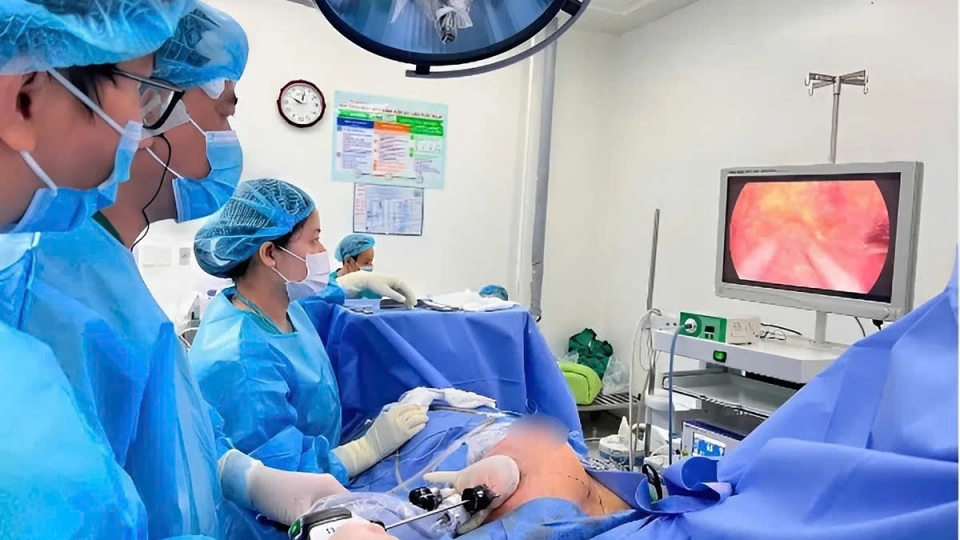
Patients return home as trust in domestic health care grows
VOV.VN - Over the past decade, Vietnam’s healthcare system has experienced a remarkable shift as the long-standing trend of Vietnamese patients seeking treatment abroad begins to reverse while the country increasingly attracts international patients.