Vietnam Revolutionary Press in new era guided by Ho Chi Minh Thought

VOV.VN - As Vietnam marks 100 years of Revolutionary Press Day, Ho Chi Minh’s ideological legacy remains a key foundation for journalists in the new era.
Experts emphasise that his thought continues to guide the press in upholding integrity, serving the nation, and adapting to digital transformation while preserving its revolutionary identity.
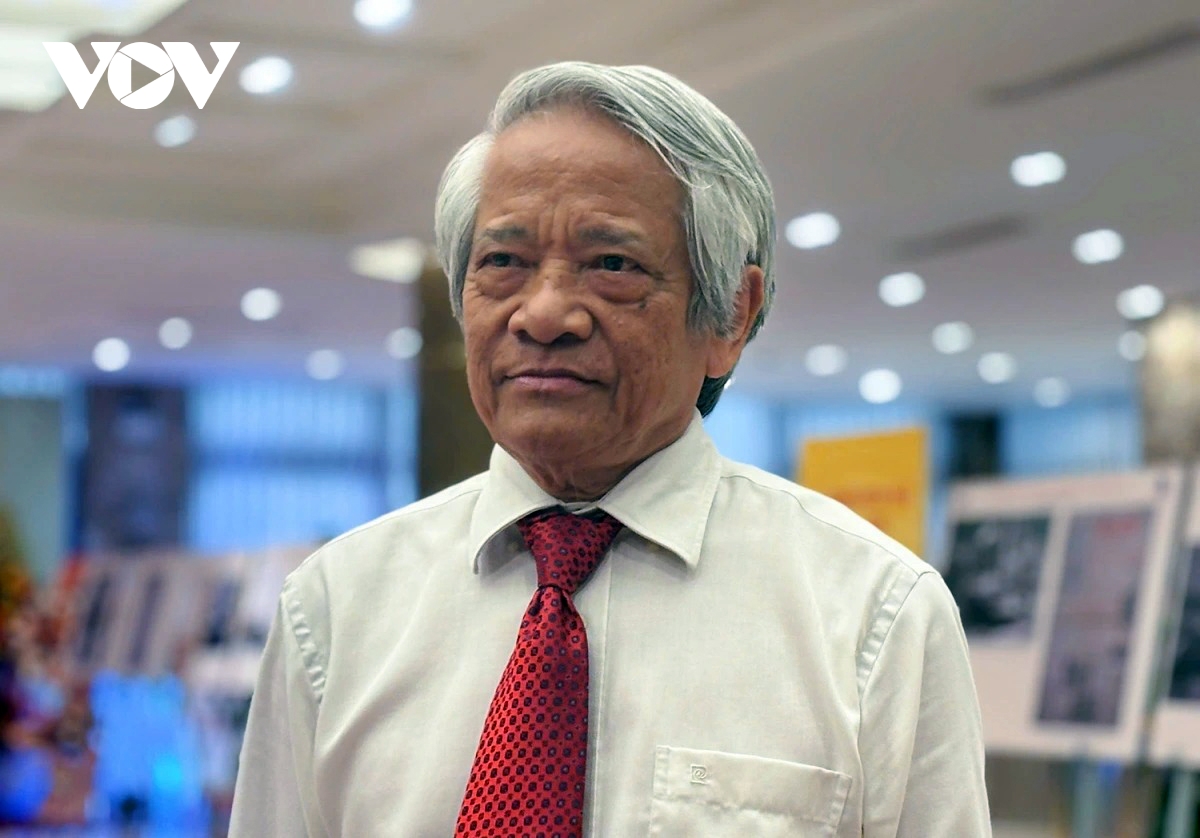
In an interview with Voice of Vietnam Online, Associate Professor Dr. Bui Dinh Phong, member of the Scientific Council of the Ho Chi Minh National Academy of Politics, shed light on the profound journalistic legacy left by President Ho Chi Minh and the need for its creative application in today’s context.
According to Associate Professor Dr. Phong, President Ho Chi Minh is regarded as a great journalist not only because he founded Vietnam’s revolutionary press, but also due to his profound and enduring system of journalistic thought and perspectives. His legacy is reflected not only in sharp, highly combative journalistic works, but also in his role in building and training a revolutionary press corps with strong political courage, ethical integrity, and professional competence, serving the cause of national liberation, as well as national construction and defense.
Analysing the core values of Ho Chi Minh’s journalistic legacy, he highlighted three key aspects. First is the reflection of the shared aspirations of humanity and the nation for independence, peace, democracy, and social progress. Second is a journalistic methodology closely linked to reality, rooted in the lives of the people and deeply attuned to their aspirations and concerns. Third is the topical relevance and enduring value of his journalistic thought, as many of his views on professional ethics, political steadfastness, and social responsibility remain highly relevant in the contemporary context.
In the context of Vietnamese press entering a new development stage with both opportunities and challenges, particularly the rapid advancement of science, technology, and digital media, Associate Professor Dr. Phong affirmed that the guiding principle remains unchanged: journalism must serve the revolution, the Fatherland, and the people. This is considered a fundamental principle and a compass for journalists to inherit and further develop Ho Chi Minh’s legacy in new conditions.
He further emphasised that from President Ho Chi Minh’s life and journalistic career, the most important lesson for today’s journalists lies in the combination of political courage, professional ethics, and technical expertise. At the same time, journalistic practice must always be grounded in reality, closely connected to the people, and oriented toward the common interests of the nation and humanity.
In the digital era, where science and technology are profoundly transforming journalism, the application of Ho Chi Minh Thought becomes even more significant. According to Associate Professor Dr. Phong, this is also the foundation for Vietnamese journalism to continue innovating, improving quality, while maintaining its revolutionary identity and social mission.
Building upon this solid ideological foundation, Vietnam’s revolutionary press continues to affirm its role as a pioneering force on the ideological and cultural front, making important contributions to the cause of national construction and defense in the new development phase.
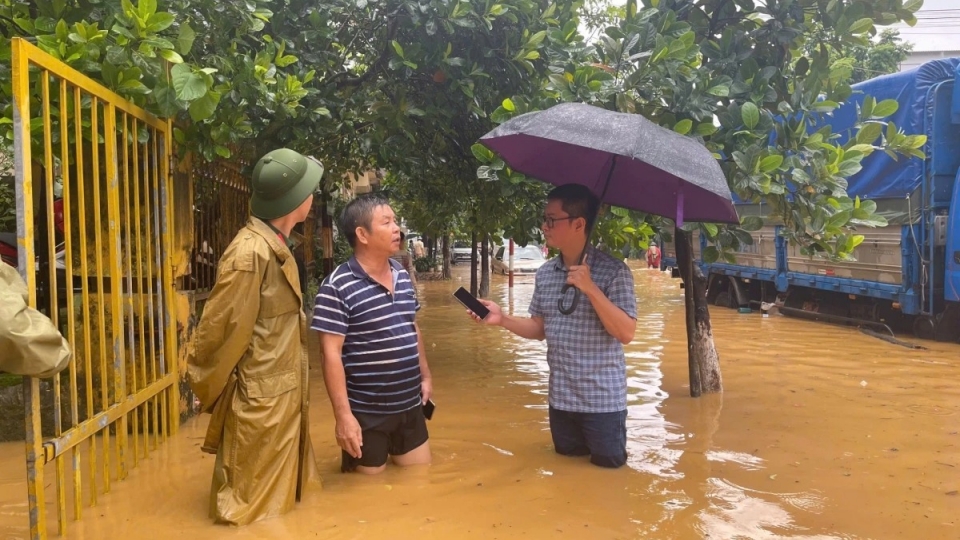
When journalists step into a silent battle
VOV.VN - In times of pandemic or natural disaster, journalists step into danger zones quietly, documenting suffering, carrying stories of loss, and connecting pain with hope.