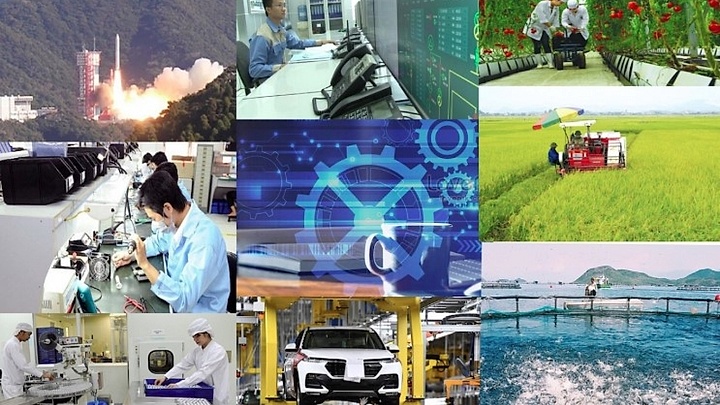
Vietnam pushes for full disbursement of sci-tech funding in 2026

VOV.VN - Deputy Prime Minister Ho Quoc Dung has called on ministries, agencies and localities to treat the disbursement of funding for science, technology, innovation and digital transformation as a key political task, with the goal of achieving a 100% disbursement rate for the 2026 plan.

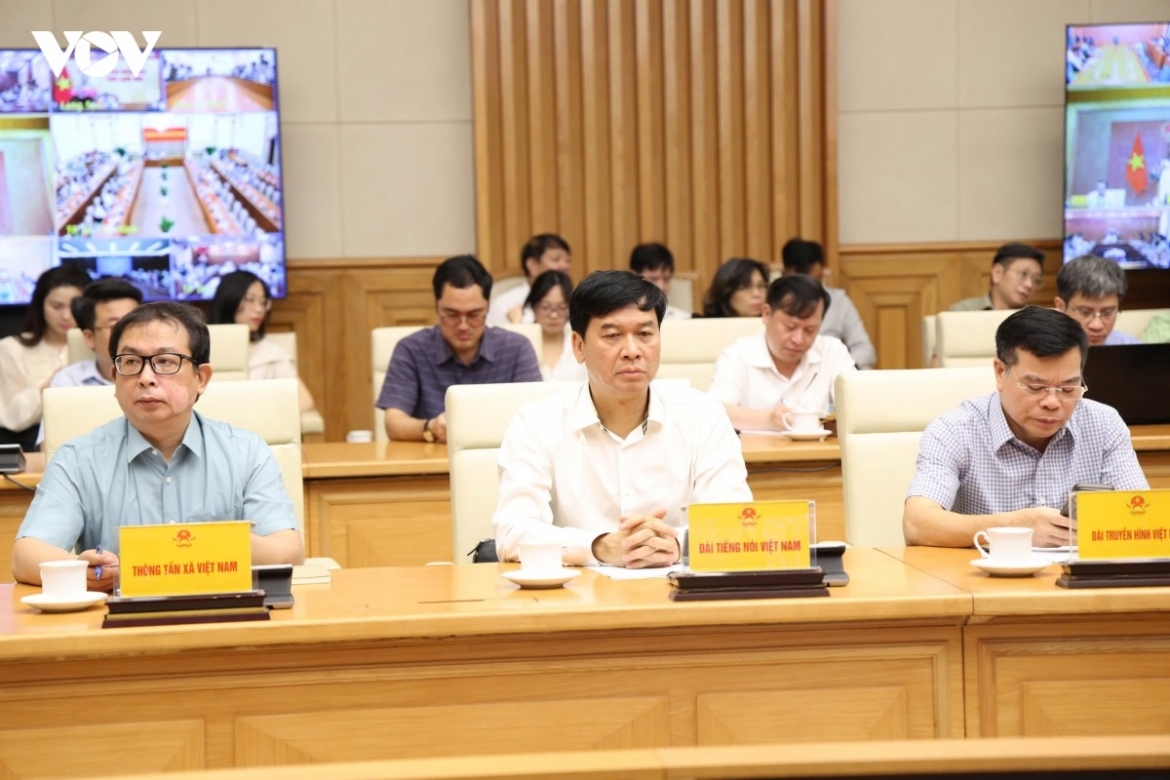
The directive was issued during a government meeting on May 19 with ministries and localities to address bottlenecks in public investment for science and technology projects.
The request comes as Vietnam accelerates investment in artificial intelligence (AI), big data, digital infrastructure and strategic technology products. However, regulatory and procedural obstacles are continuing to slow capital flows into these sectors.
According to the Ministry of Science and Technology (MoST), Vietnam has allocated more than VND103.4 trillion (approximately US$4 billion) for science, technology, innovation and digital transformation projects in 2026. Yet by May 12, only 14.78% of the planned capital had been disbursed.
The main challenge, according to MoST Minister Vu Hai Quan, is no longer a shortage of funding, but rather outdated regulations that have failed to keep pace with rapidly evolving technologies.
At the meeting, several local authorities said they were facing difficulties implementing projects involving AI, big data, digital twins and data warehouses due to the lack of appropriate technical standards and pricing frameworks.
Some procurement regulations were also described as outdated for high-tech sectors. For instance, the requirement to obtain at least three quotations is considered impractical for proprietary technologies or newly developed research products.
Participants noted that Vietnam’s public investment procedures are still based on traditional management models, while digital technologies can change significantly within months. In some cases, by the time approval and bidding procedures are completed, the planned technology has already become outdated.
Several local representatives also highlighted overlapping regulations and insufficient guidance related to science and technology development funds, making implementation difficult.
Meanwhile, current compensation frameworks for technology experts remain significantly below market levels, creating challenges in attracting high-quality talent for AI and big data projects.
According to the Ministry of Finance, funding has already been fully allocated to ministries and localities as long as project dossiers meet requirements. However, several ministries and central agencies still report zero disbursement rates.
The ministry stated that Vietnam’s Public Investment Law has already decentralised decision-making authority to ministries and local governments, meaning that current bottlenecks mainly stem from implementation procedures and sector-specific regulations.
Since the beginning of the year, the MoST has coordinated the allocation of nearly VND1 trillion for 22 digital platforms and public administrative systems, along with more than VND2.47 trillion for 35 registered databases. Yet, a considerable portion of the funding remains undistributed due to prolonged appraisal, planning approval and investment guidance procedures.
In his remarks, Deputy Prime Minister Ho Quoc Dung stressed that Vietnam’s top leaders consider science, technology, innovation and digital transformation to be new drivers of national development.
He instructed the Ministry of Science and Technology, the Ministry of Finance and the Ministry of Justice to urgently resolve policy and regulatory bottlenecks by June 2026, especially in areas related to procurement, investment and financial mechanisms.
The government also plans to prioritise funding for strategic initiatives such as national databases, AI development, strategic technology products, innovation centres and startup ecosystems.
Several new proposals were discussed, including the development of shared digital platforms, allowing local authorities greater responsibility for projects aligned with Vietnam’s Digital Government Architecture Framework, and applying “lease-to-own” models for digital assets to avoid fragmented investment.
In the race to develop AI and the digital economy, financial resources are necessary, but the real determining factor will be Vietnam’s ability to reform institutions, streamline procedures and build governance models suited to emerging technologies.

Young Vietnamese intellectuals contribute to Vietnam-Thailand science, technology cooperation
VOV.VN - Young Vietnamese intellectuals in Thailand can make practical contributions to Vietnam’s digital transformation and innovation process, participants said at a discussion organized by the Vietnamese Embassy in Thailand on May 18 to mark Vietnam Science, Technology and Innovation Day 2026.