Vietnam aims to develop five globally competitive cities by 2045

VOV.VN - Vietnam has set a goal of developing at least five cities of international standing by 2045, as outlined in the Government’s Resolution 80 issued on April 2.
The resolution updates the Government’s action programme to implement the Politburo’s Resolution 06 on urban planning, construction, management and sustainable development, along with the Politburo’s Conclusion 224. It aims to unify direction and translate strategic orientations into concrete tasks and solutions, creating a strong shift in awareness and action across ministries, sectors and localities.
Under the programme, Vietnam targets a national urbanisation rate of at least 45% by 2025, rising above 50% by 2030, and reaching the upper-middle range among ASEAN and Asian countries by 2045. The number of urban areas is expected to grow to 950–1,000 by 2025 and 1,000–1,200 by 2030.
The strategy also emphasises improving urban infrastructure and living standards. By 2025, all existing and newly established urban areas are expected to have master plans, zoning plans and urban upgrading programmes in place, with healthcare, education and cultural infrastructure meeting urban standards.
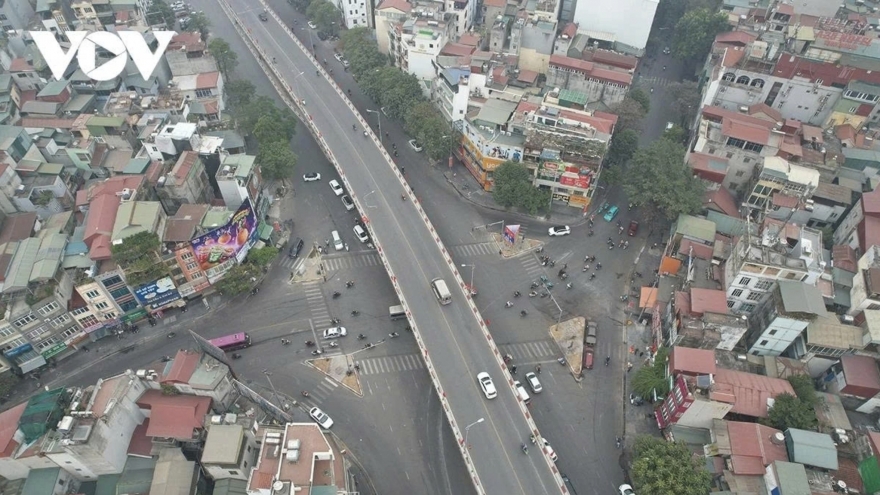
In terms of spatial and environmental development, the programme sets targets for expanding green space, transport infrastructure and housing. Urban green space per capita is projected to increase to 6–8 square metres by 2025 and 8–10 square metres by 2030, while land allocated for transport infrastructure is expected to rise to 16–26% by 2030. Average urban housing floor area per capita is set at a minimum of 28 square metres by 2025 and 32 square metres by 2030.
Digital infrastructure is also a key priority. Fibre-optic broadband is expected to cover over 80% of urban households by 2025, alongside widespread adoption of 4G and 5G services. By 2030, all adults are expected to have access to electronic payment accounts.
Economically, urban areas are projected to contribute around 75% of national GDP by 2025 and 85% by 2030, with the digital economy accounting for 25–30% of GRDP in 2025 and up to 40% by 2030.
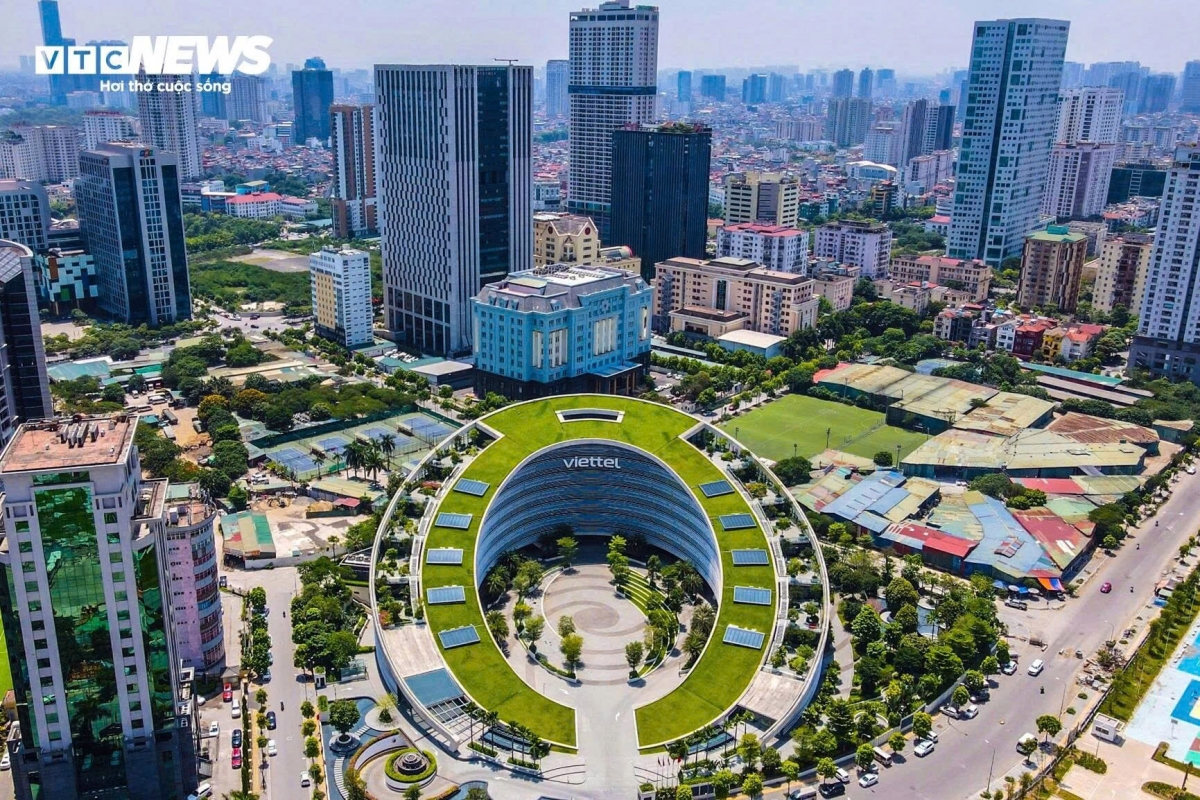
Notably, the resolution highlights the development of a network of smart, globally connected cities, with at least five urban centres meeting international standards by 2045. These cities are expected to serve as key hubs linking Vietnam with regional and global economic networks, while advancing green and digital growth models.
To achieve these targets, the Government has called on ministries and localities to accelerate urban planning, improve infrastructure systems and strengthen climate resilience. At the same time, efforts will focus on refining legal frameworks, including the development of laws on urban management and development, housing, real estate business and underground space management.
With a coordinated and forward-looking approach, the programme is expected to lay the foundation for a modern, green and smart urban system, positioning Vietnam more firmly within regional and global development networks by 2045.
Vietnam targets double-digit growth on reform, innovation and infrastructure push
VOV.VN - Vietnam has officially reaffirmed its ambition to achieve double-digit economic growth in the 2026–2030 period, laying out a comprehensive roadmap that combines institutional reform, technological advancement, and strategic infrastructure investment.