Vietnam activates Ebola surveillance after WHO emergency alert

VOV.VN - Following an emergency alert from the World Health Organisation (WHO) over a new Ebola outbreak in Africa, Vietnam’s health sector has moved to strengthen surveillance measures amid concerns about the risk of cross-border transmission through international travel.

The move reflects growing concern among health authorities worldwide as global mobility continues to recover and the risk of infectious disease spread remains high.
The Pasteur Institute in Ho Chi Minh City on May 21 convened an urgent meeting with leaders of four regional Pasteur and epidemiology institutes together with 34 provincial Centres for Disease Control (CDC) nationwide to discuss preparedness and response plans for Ebola.
According to updates presented at the meeting, as of May 20, around 600 suspected Ebola cases and 139 deaths linked to the outbreak had been reported globally, including 51 confirmed infections in the Democratic Republic of the Congo.
In Uganda, authorities confirmed two Ebola infections through laboratory testing, including one fatality in the capital Kampala. Both patients reportedly had epidemiological links to the Democratic Republic of the Congo. At least four healthcare workers were also reported to have died with symptoms suspected to be related to Ebola.
The WHO has classified the outbreak caused by the Bundibugyo strain as a public health event of international concern, raising fears of wider regional transmission as international travel and trade intensify.
Although Vietnam has not recorded any suspected Ebola cases entering the country, health authorities said the risk of importation is present due to increasing international movement.
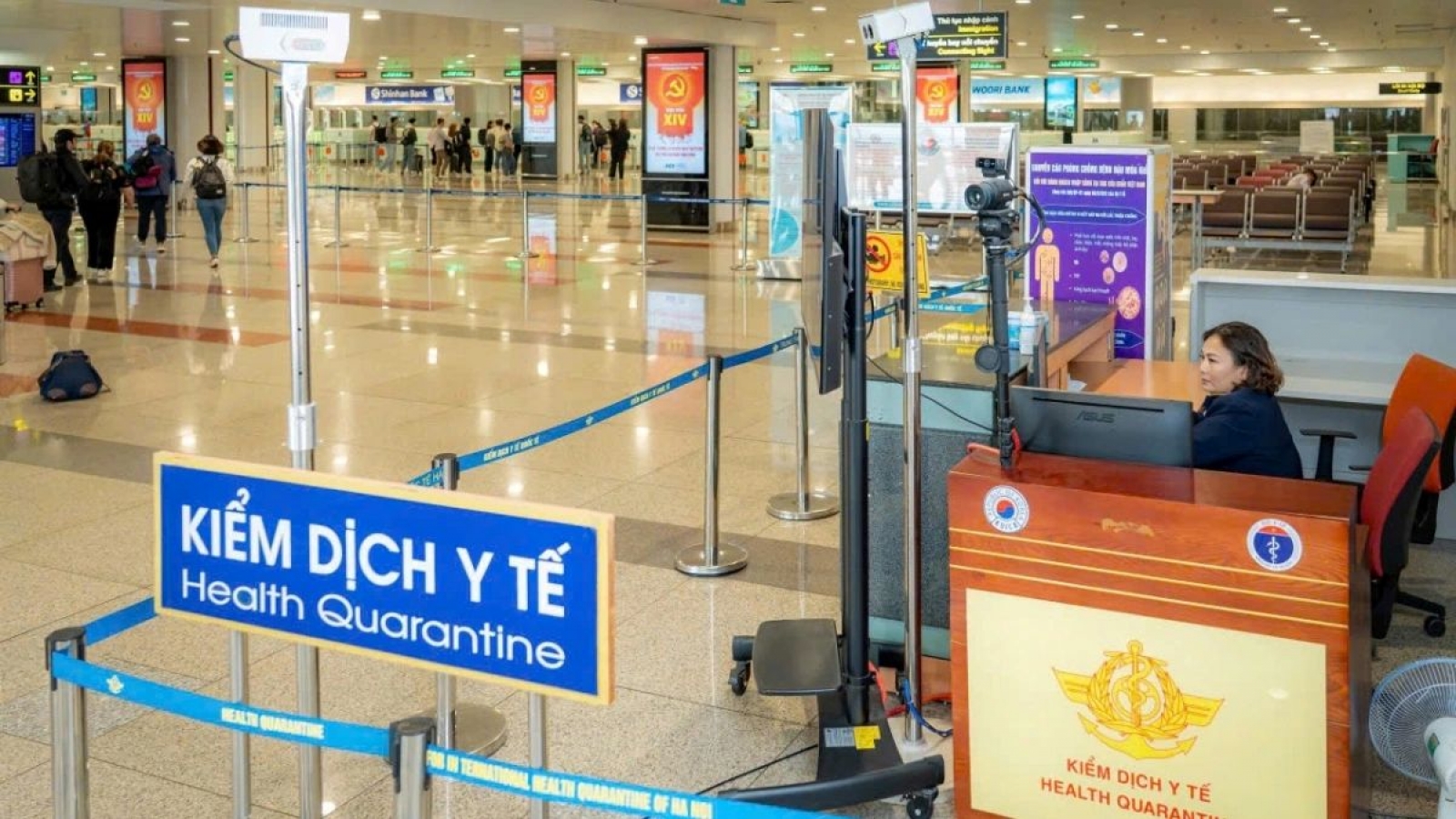
At the meeting, health professionals agreed to tighten surveillance at border gates, hospitals, and communities while reviewing procedures for handling suspected cases, testing capacity, treatment readiness, and protective equipment supplies.
They also emphasised the need to reactivate rapid response teams that previously participated in combating COVID-19 and other dangerous infectious diseases to ensure preparedness for potential outbreaks.
Under regulations from the Ministry of Health, the Pasteur Institute in Ho Chi Minh City and the National Institute of Hygiene and Epidemiology are currently authorised to conduct confirmatory Ebola testing. Both institutes said they have prepared specialised laboratory capacity, including genome sequencing capabilities, to support early detection if cases emerge.
Health officials stressed that identifying suspected cases must rely not only on clinical symptoms but also on epidemiological factors, particularly recent travel history to outbreak areas.
If a suspected infection is detected, local CDC agencies will coordinate with regional institutes to collect, transport, and test samples under emergency procedures.
Alongside technical preparedness, health authorities also called for strengthened risk communication and continuous updates from the WHO and the Ministry of Health’s Disease Prevention Department. Officials encouraged wider deployment of electronic health declaration systems at border gates to help identify travellers returning from outbreak zones instead of relying solely on passive monitoring.
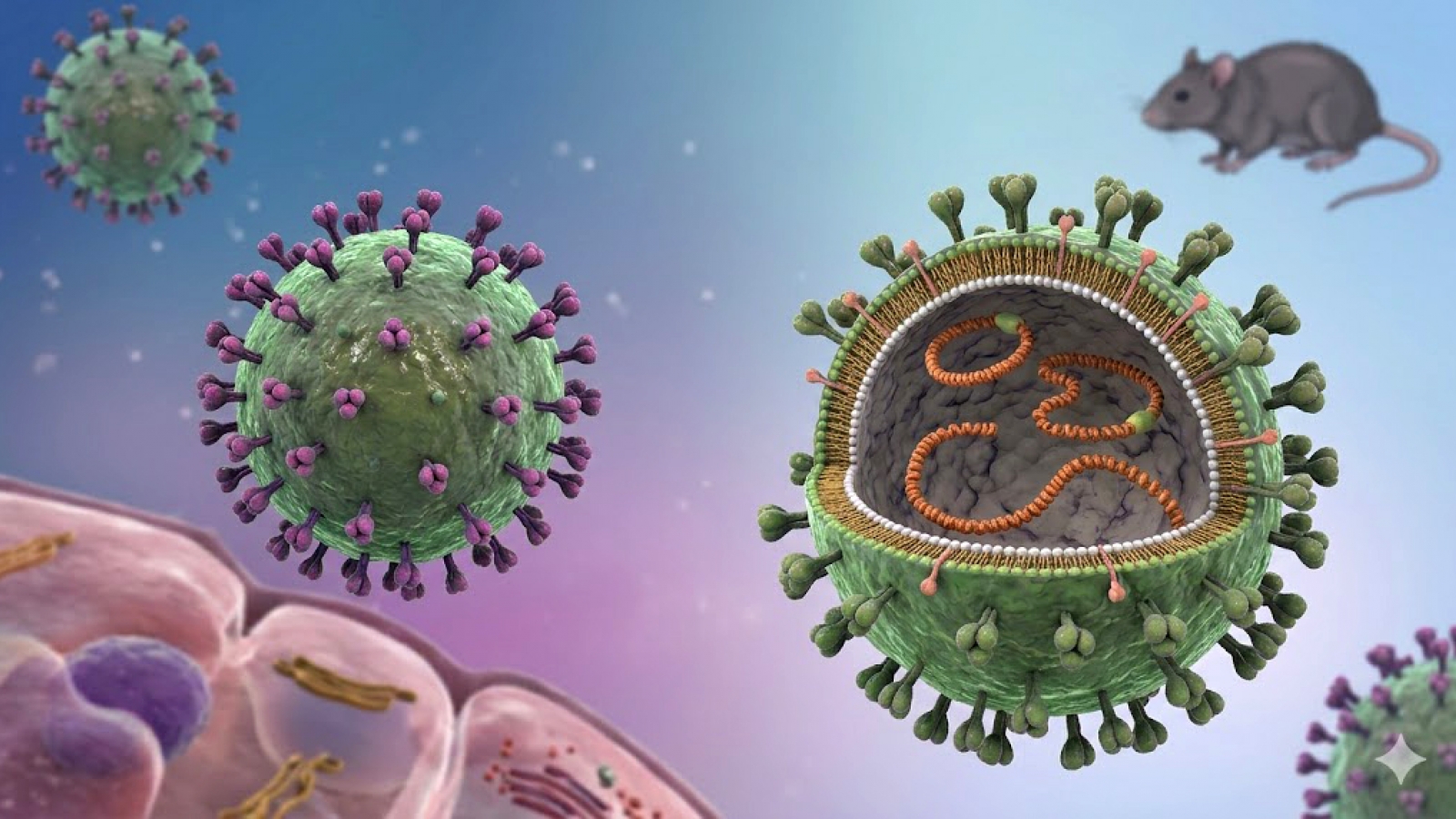
Ebola is a severe acute viral disease with a high fatality rate during major outbreaks. The virus spreads through direct contact with blood, bodily fluids, or waste from infected individuals. Common symptoms include high fever, headache, muscle pain, fatigue, diarrhoea, and vomiting, while severe cases can lead to internal bleeding and multi-organ failure.
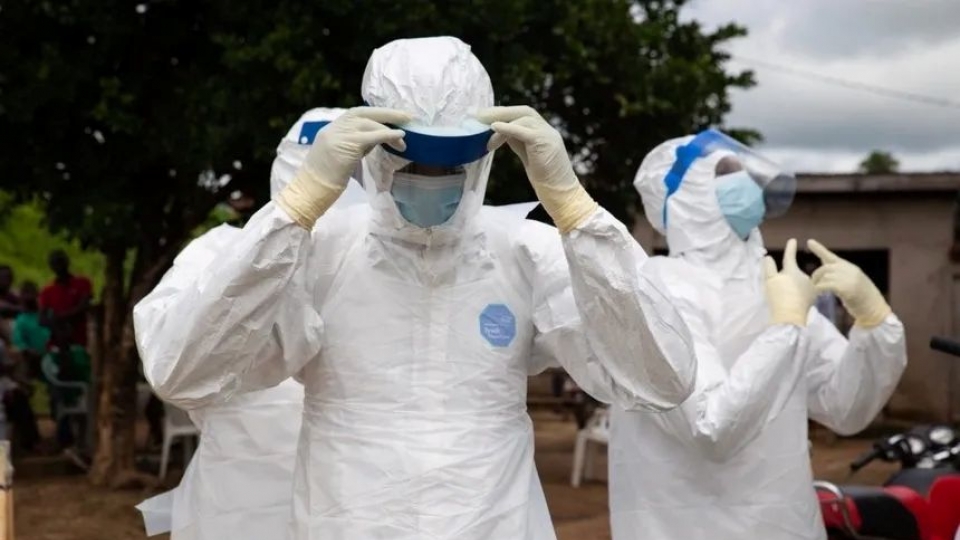
Vietnam tightens Ebola surveillance amid outbreak in Africa
VOV.VN - Vietnam’s Ministry of Health said on May 17 that it is strengthening Ebola surveillance and closely coordinating with the World Health Organisation (WHO) and relevant agencies amid concerns over recent outbreaks in parts of Africa.
Although the WHO has not declared a global pandemic risk, health professionals said early preparedness and proactive surveillance remain critical to minimising the risk of Ebola entering and spreading within communities.