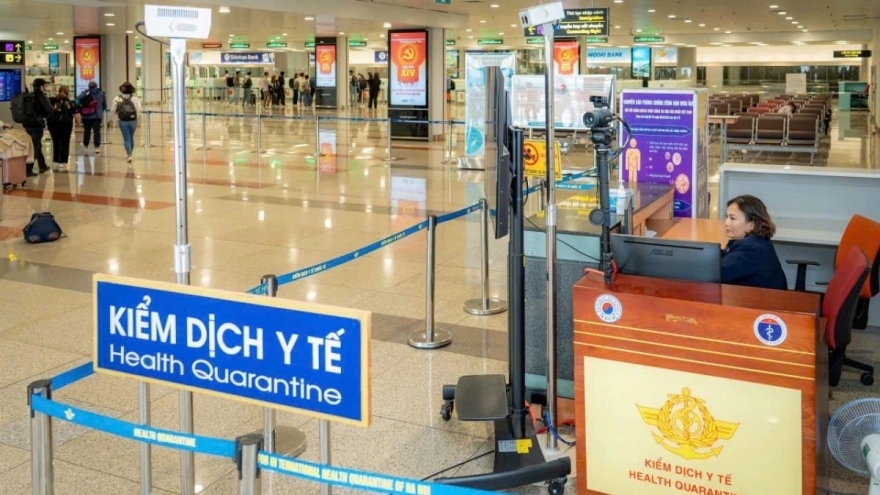
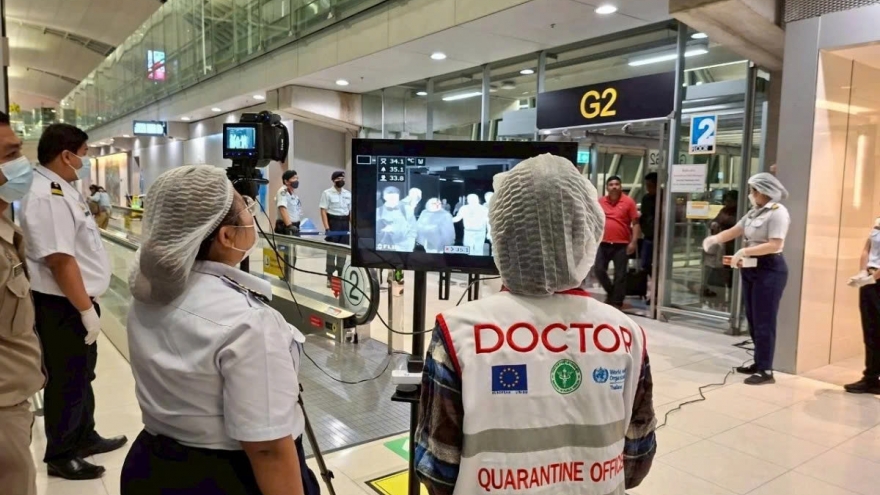
Vietnam reports no Hantavirus cases, strengthens surveillance, prevention measures

VOV.VN - The Ministry of Health (MoH) confirmed on May 13 that Vietnam has not recorded any cases related to Hantavirus infection, amid global concerns following reports of a cluster of cases linked to the cruise ship MV Hondius.
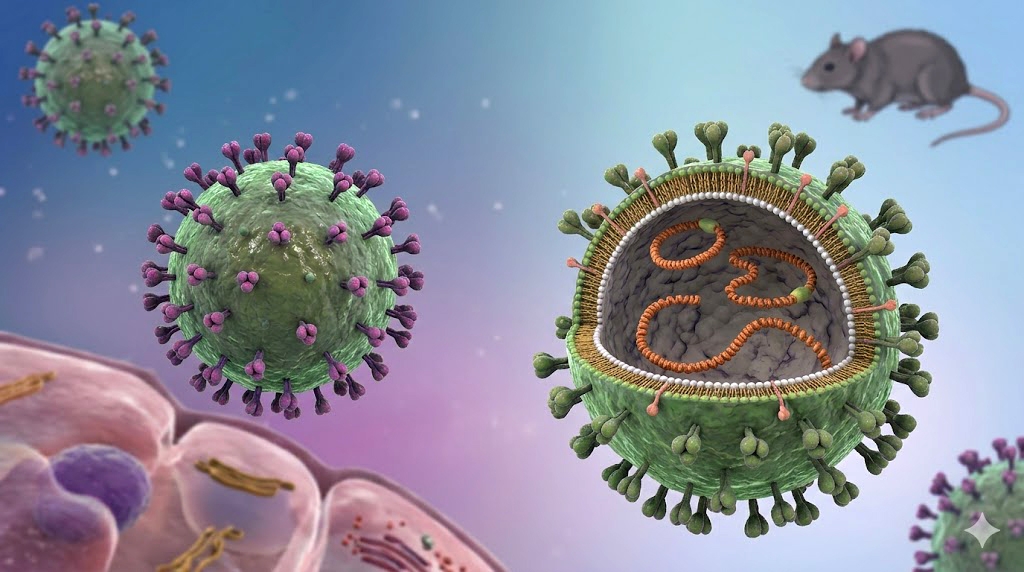
Health authorities said they are actively strengthening disease surveillance, especially at border gates and healthcare facilities, while also enhancing prevention and environmental control measures to reduce potential zoonotic risks.
The Department of Preventive Medicine under the MoH stated that local monitoring systems have not detected any cases of Hantavirus infection, including infections caused by the Andes strain associated with the recent international cluster.
Health authorities have also instructed localities to intensify rodent control, sanitation, and disinfection efforts, particularly in high-risk areas such as ports, border checkpoints, and healthcare facilities.
The MoH urged the public not to panic and to rely only on official information sources. People are advised to maintain good hygiene, avoid contact with rodents and their waste, and seek medical attention if symptoms such as fever, muscle pain, fatigue, or respiratory or digestive issues occur after potential exposure.
Individuals with suspected exposure are encouraged to provide full travel and contact history to healthcare facilities for timely diagnosis and monitoring.
The MoH also confirmed it is continuing coordination with international partners to monitor the situation and update risk assessments as necessary.
According to the World Health Organisation (WHO), several cases, including a fatality, were reported on the cruise ship MV Hondius. The organisation has assessed the risk to passengers and crew as moderate, while the risk to the global population is considered low.
The WHO clarified that Hantavirus does not spread in the same way as respiratory viruses such as COVID-19. Current investigations suggest possible exposure through environments contaminated by rodent carriers or during outdoor activities prior to boarding the vessel, with limited human-to-human transmission possible only in rare cases involving prolonged close contact.
The WHO recommended that potentially exposed individuals monitor their health for up to 42 days after the last exposure. Symptoms may include fever, headache, muscle pain, chills, fatigue, nausea, diarrhea, cough, and shortness of breath.
For high-risk individuals, active monitoring and possible home or facility-based isolation are advised during the observation period, while low-risk individuals should self-monitor and seek medical care if symptoms develop.

Hanoi strengthens Hanta virus surveillance following international alerts
The Hanoi Department of Health has ordered stronger surveillance and prevention measures against Hanta virus disease following warnings from the Ministry of Health (MoH) over recent international cases.