Vietnam tightens Ebola surveillance amid outbreak in Africa

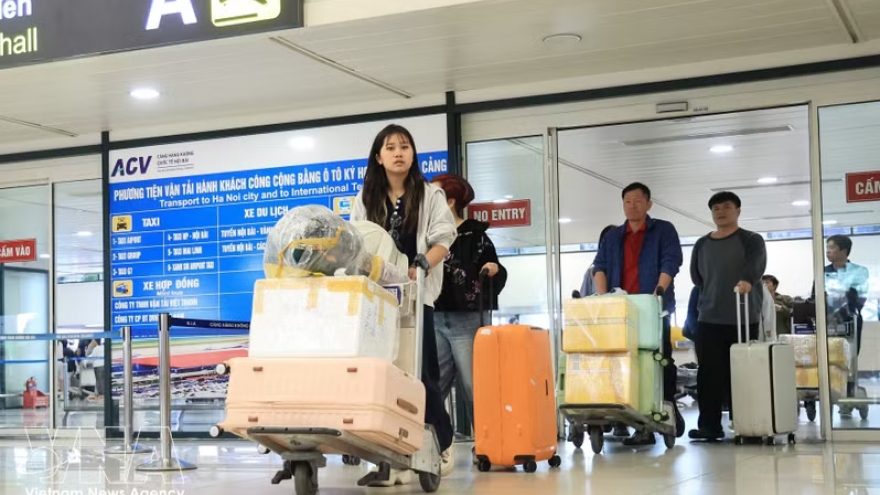
VOV.VN - Vietnam’s Ministry of Health said on May 17 that it is strengthening Ebola surveillance and closely coordinating with the World Health Organisation (WHO) and relevant agencies amid concerns over recent outbreaks in parts of Africa.
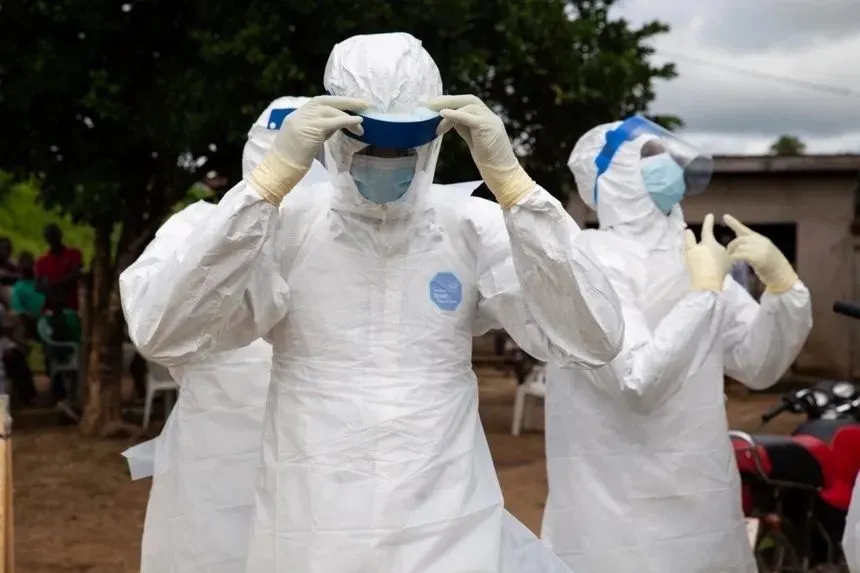
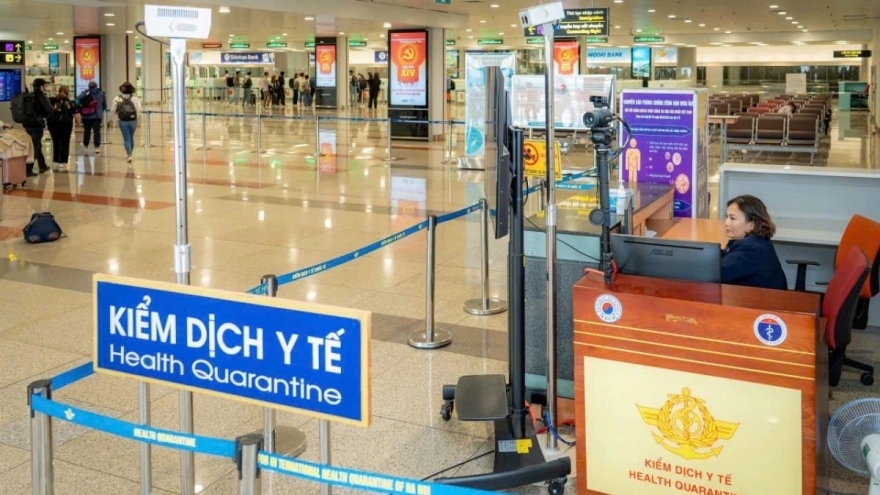
According to the ministry, health authorities are increasing monitoring at healthcare facilities and border quarantine checkpoints, while continuously updating information from the WHO and international health agencies to prepare appropriate response measures if necessary.
The Department of Preventive Medicine under the Ministry of Health advised the public not to panic, but to closely follow official updates from Vietnamese health authorities and the WHO.
People returning from areas affected by Ebola outbreaks have been urged to monitor their health for 21 days and avoid direct contact with individuals showing suspected Ebola symptoms, as well as blood, bodily fluids or personal belongings of infected patients.
Health officials also warned that anyone experiencing symptoms such as fever, fatigue, headache, muscle pain, vomiting, diarrhea or bleeding after returning from outbreak areas should immediately seek medical attention and provide their travel and contact history for timely guidance and treatment.
According to the WHO, outbreaks of Ebola virus disease caused by the Bundibugyo strain in the Democratic Republic of the Congo (DRC) and Uganda have been classified as a Public Health Emergency of International Concern (PHEIC).
The designation is intended to encourage countries to strengthen surveillance, early detection and preparedness measures, though it does not mean the disease has spread globally.
WHO data updated on May 16 showed that the Democratic Republic of the Congo had recorded eight laboratory-confirmed Ebola cases, 246 suspected cases and 80 suspected deaths linked to the outbreak in Ituri province.
Meanwhile, Uganda reported two laboratory-confirmed cases, including one death in the capital Kampala. Both infected individuals had travelled from the Democratic Republic of the Congo.
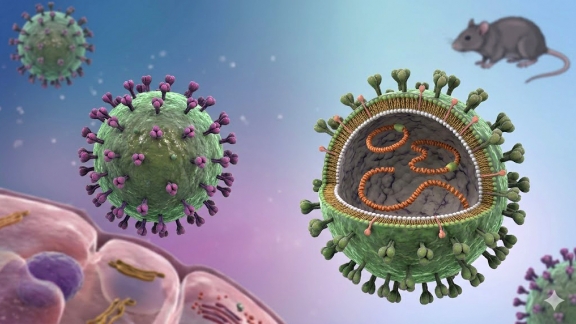
Ebola is a severe infectious disease that can cause serious illness and death. The virus spreads through direct contact with the blood or bodily fluids of infected individuals or people who have died from the disease, as well as through contaminated objects and surfaces.
Common symptoms include fever, fatigue, headache, muscle pain, sore throat, vomiting, diarrhea, abdominal pain and skin rash. Some patients may also experience internal or external bleeding. The incubation period generally ranges from two to 21 days.
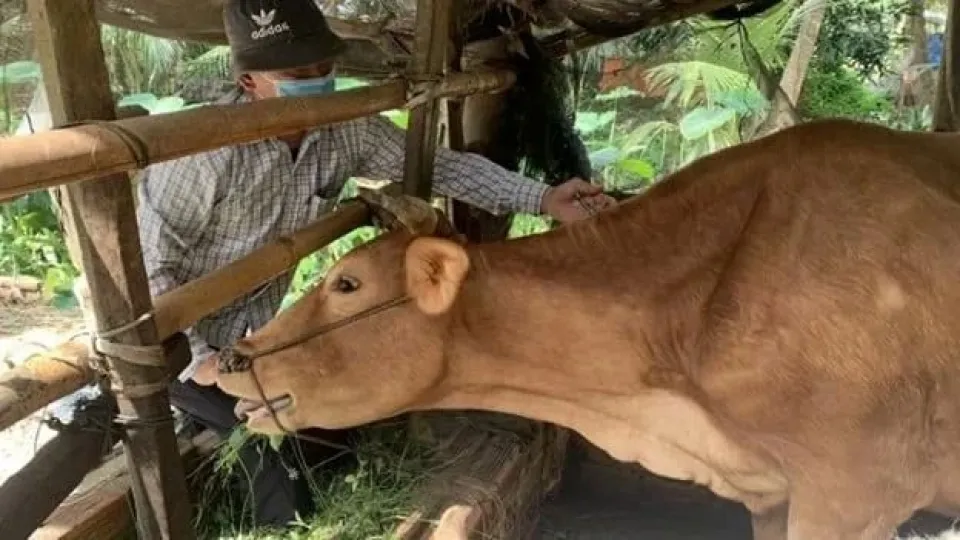
Measures stepped up to prevent entry of foot-and-mouth disease virus
VOV.VN - The Ministry of Agriculture and Environment (MoAE) has reported to the Prime Minister on the global spread of foot-and-mouth disease (FMD) serotype SAT1 and outlined proactive measures to prevent its entry into Vietnam.