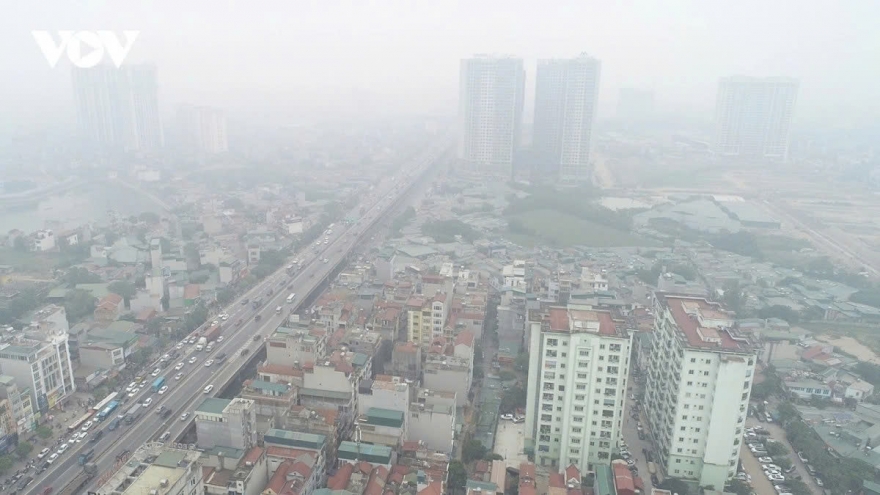
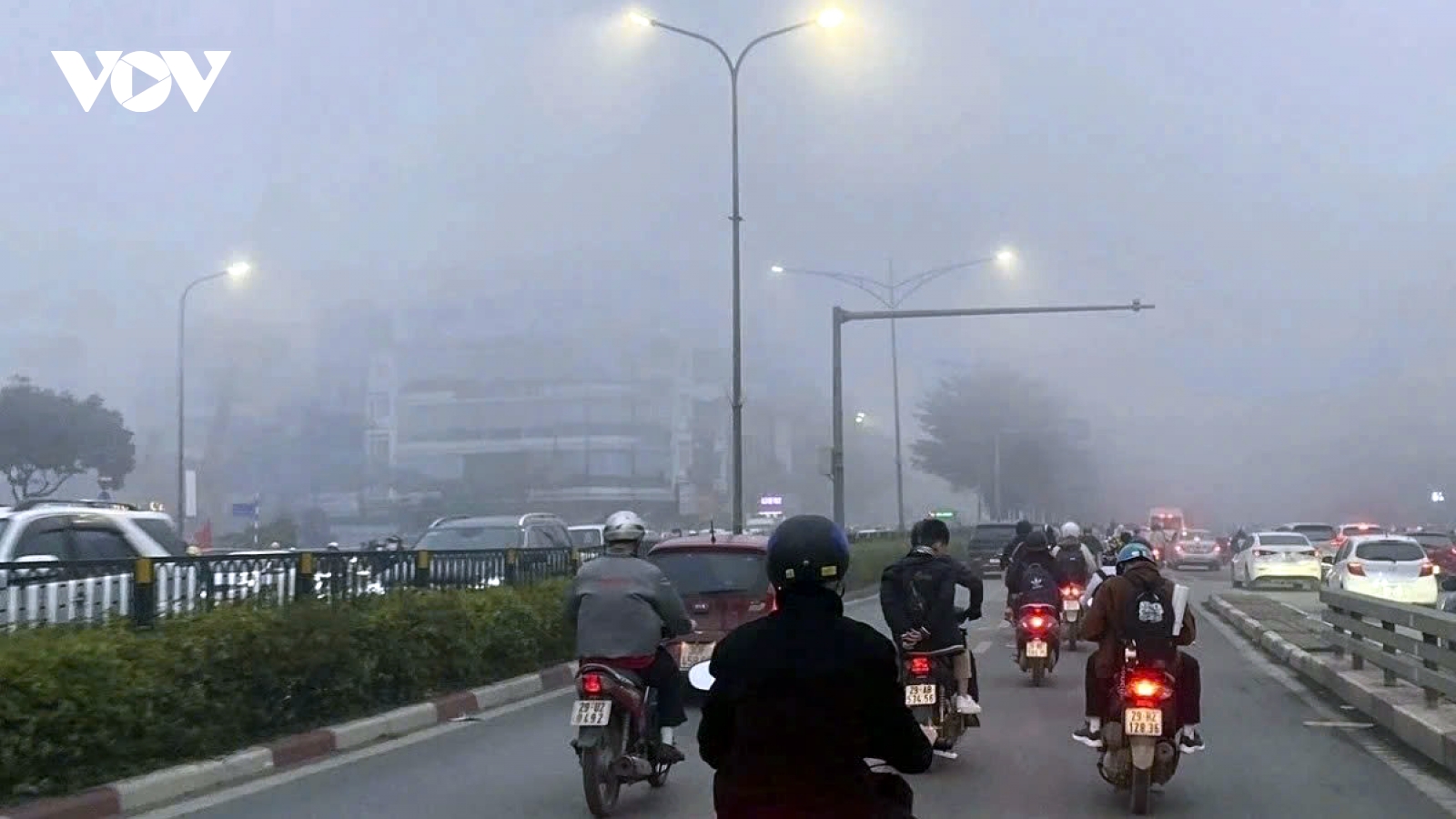
Tampered environmental data raises transparency and governance concerns

VOV.VN - Public attention in Vietnam has recently focused on a major case involving the manipulation of environmental monitoring data across the country, where pollution figures, often regarded as a measure of truth, were altered and no longer reflected actual conditions.
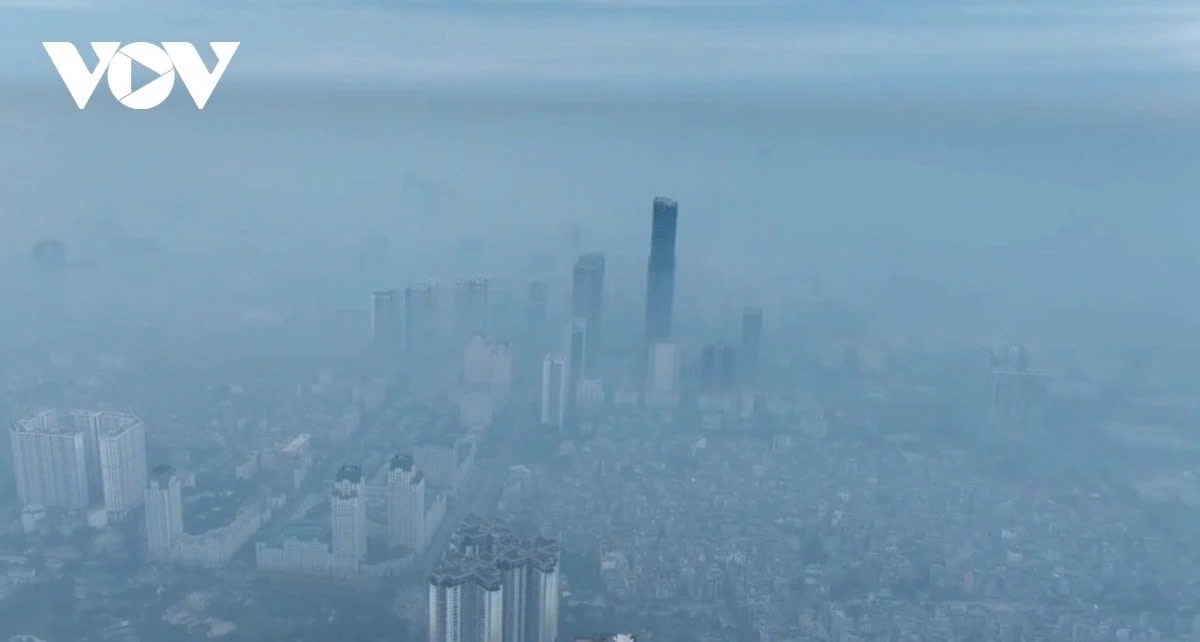
The Ministry of Public Security’s investigative agency has prosecuted 74 individuals in connection with the case, which remains under expanded investigation.
Out of more than 300 monitoring stations inspected, 168 showed signs of data tampering. Instead of reporting exceedances that would trigger regulatory action, data were allegedly modified to appear within permitted thresholds.
The manipulation was carried out by altering equipment configurations or interfering with data transmission systems, effectively transforming pollution indicators from above-limit levels into “acceptable” figures when transmitted to authorities.
Experts warn of systemic vulnerabilities
Experts and regulators say the case is a wake-up call for environmental governance, highlighting not only technical weaknesses but also issues related to management mechanisms, human factors, and oversight responsibilities.
Associate Professor Dr. Nguyen Lu Phuong, deputy head of the Faculty of Environment at the Ho Chi Minh City University of Natural Resources and Environment, said that tampering undermines the objectivity of monitoring data, rendering it unreliable as a basis for environmental decision-making.
Another expert pointed to what he described as a “critical loophole” rooted not in technology itself but in the combination of human factors and loose management. With stricter supervision processes, such widespread manipulation would have been far more difficult, he noted.

At the Ministry of Agriculture and Environment’s regular April press briefing, Nguyen Xuan Hai, deputy director of the Environmental Department, stressed that data manipulation is a sophisticated violation of the law.
“Such acts may involve interference with software, system configurations, or data transmission processes. Current systems are primarily designed to monitor environmental indicators and operational status, and in some cases may not detect deliberate, high-tech interference,” he said.
He added that existing regulations already include safeguards such as sealing connection ports, managing access accounts, storing data, and conducting periodic and cross-check inspections. Recent violations were detected through inspections and investigations by competent authorities.
Measures to strengthen oversight
To address the issue, Hai said, localities should conduct comprehensive reviews of monitoring systems, including connection integrity, sealed ports, administrative accounts, data loggers, surveillance cameras, and raw data storage.
Inspection regimes will be strengthened, with increased surprise checks, cross-verification, periodic quality control, and post-audit reviews for facilities showing unusual data patterns.
Looking ahead, he said, the Ministry ò Agriculture and Environment plans to refine technical standards and data management procedures to enhance data security, integrity, remote monitoring, and early detection of unauthorised interference.
Facilities subject to automatic and continuous monitoring are required to install compliant systems for wastewater and emissions monitoring, including proper measurement devices, standard samples, surveillance cameras, automatic sampling systems, and real-time data transmission to authorities.
Unused connection ports must be sealed, and administrative access to data loggers must be shared with provincial authorities to ensure effective oversight.
Vietnam’s current legal framework establishes three layers of supervision: enterprises responsible for operation and maintenance; quality control before and during system operation; and oversight by provincial authorities responsible for monitoring, evaluating, and detecting anomalies.
Implications and lessons learned
The case has raised serious concerns about transparency and accountability in environmental governance. When monitoring data are distorted, decisions on licensing, enforcement, and environmental planning risk being based on inaccurate information, with direct consequences for public health and institutional credibility.
It also underscores a fundamental principle that data integrity is the cornerstone of effective environmental management, and any manipulation can lead to significant consequences.
Experts emphasise the need to strengthen post-audit mechanisms, conduct independent system audits, and expand real-time data transparency for both authorities and the public.
They also call for clearer accountability for operators and stricter penalties for data manipulation, reinforcing that no “favourable figures” should be accepted if they do not reflect reality.
The case serves as a broader warning not only for Vietnam but for all countries, as digital technologies become increasingly integrated into environmental monitoring systems. Ultimately, when the truth is distorted, the environment, and the public, bear the greatest cost.
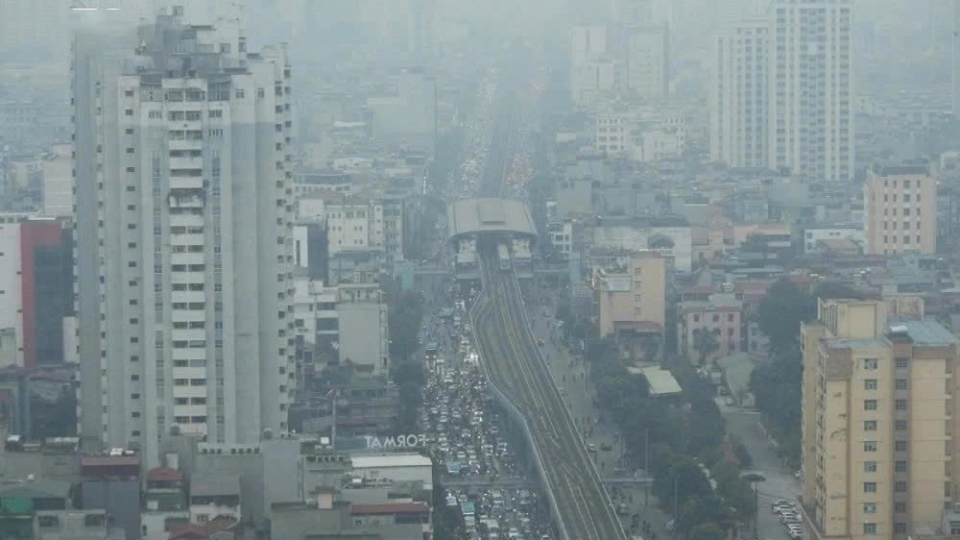
Air pollution worsens in Hanoi as experts warn of health risks
VOV.VN - Air quality across the capital city of Hanoi deteriorated into poor and unhealthy levels on February 6, with several monitoring stations recording hazardous readings, prompting health warnings from experts and authorities.