


Super Beaver Moon and meteor showers to light up November skies

VOV.VN - Vietnamese skywatchers can look forward to a series of astronomical events in November 2026, including the Super Beaver Moon and two meteor showers, as the end of the rainy season offers more opportunities to observe the night sky.
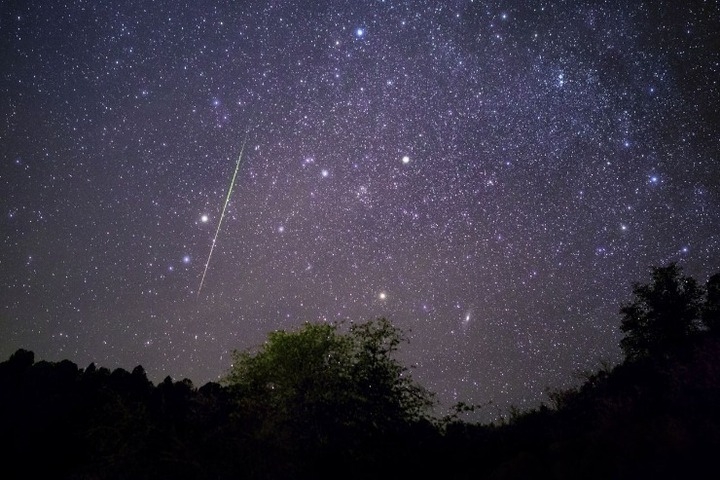
According to astronomy website Timeanddate.com, November promises several celestial highlights, from close encounters between planets to meteor showers and a particularly bright full moon.
Southern Taurids may produce bright fireballs
The Southern Taurids are expected to peak on the night of November 4–5. Although the shower typically produces only around five to 10 meteors per hour under ideal conditions, it is known for its occasional bright fireballs.
These meteors travel relatively slowly through Earth’s atmosphere, making some of them appear as brilliant streaks of light that can linger in the sky.
The shower remains active until November 20, giving observers additional opportunities to spot meteors beyond its peak.
Leonids reach their peak on November 17–18
The Leonids, one of November’s best-known annual meteor showers, are expected to peak overnight on November 17–18.
Under ideal viewing conditions, observers could see up to 15 meteors per hour. The meteors originate from debris left behind by comet 55P/Tempel-Tuttle and enter Earth’s atmosphere at speeds of about 71 kilometres per second, making them among the fastest meteor showers observed each year.
For the best chance of seeing the display, skywatchers should find a dark location away from city lights and look towards a broad area of the sky rather than focusing solely on the constellation Leo, where the meteors appear to originate.
Super Beaver Moon lights up November 24
November’s full moon, traditionally known as the Beaver Moon, will occur on November 24. This year, it will also be a supermoon, appearing somewhat larger and brighter than an average full moon because it coincides with the Moon’s closer approach to Earth.
The name Beaver Moon is associated with North American traditions and the time of year when beavers prepare their dams and lodges for winter.
The full moon will provide a striking sight, although its brightness may make fainter stars and meteors harder to observe around that date.
November also brings several planetary events. Mars and Jupiter will appear close together in the sky around November 16, while Venus will reach its greatest brightness later in the month.
Uranus reaches opposition on November 25, making it better positioned for observation. However, binoculars or a telescope are generally needed to spot the distant planet.
For observers in Vietnam, viewing conditions will depend on local weather, cloud cover and light pollution. Choosing a clear, dark location and allowing time for the eyes to adjust to the darkness can improve the chances of enjoying the month’s celestial displays.
Gamma Normid meteor shower to be visible in Vietnam
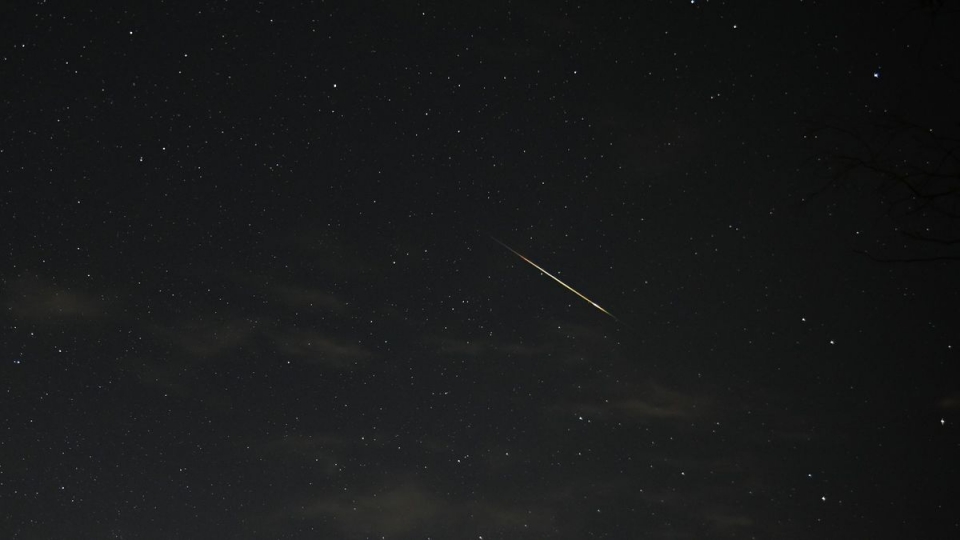
VOV.VN - Skywatchers in Vietnam will soon have the opportunity to observe an interesting celestial event as the Gamma Normid meteor shower (γ-Normids) is expected to be visible in the early hours of March 15, reported the Hanoi Astronomical Society (HAS).

