
Rising fuel prices push commuters toward remote work and public transport

VOV.VN - Recent fluctuations in fuel prices have raised travel costs, leading many workers in major cities to adjust their commuting habits.
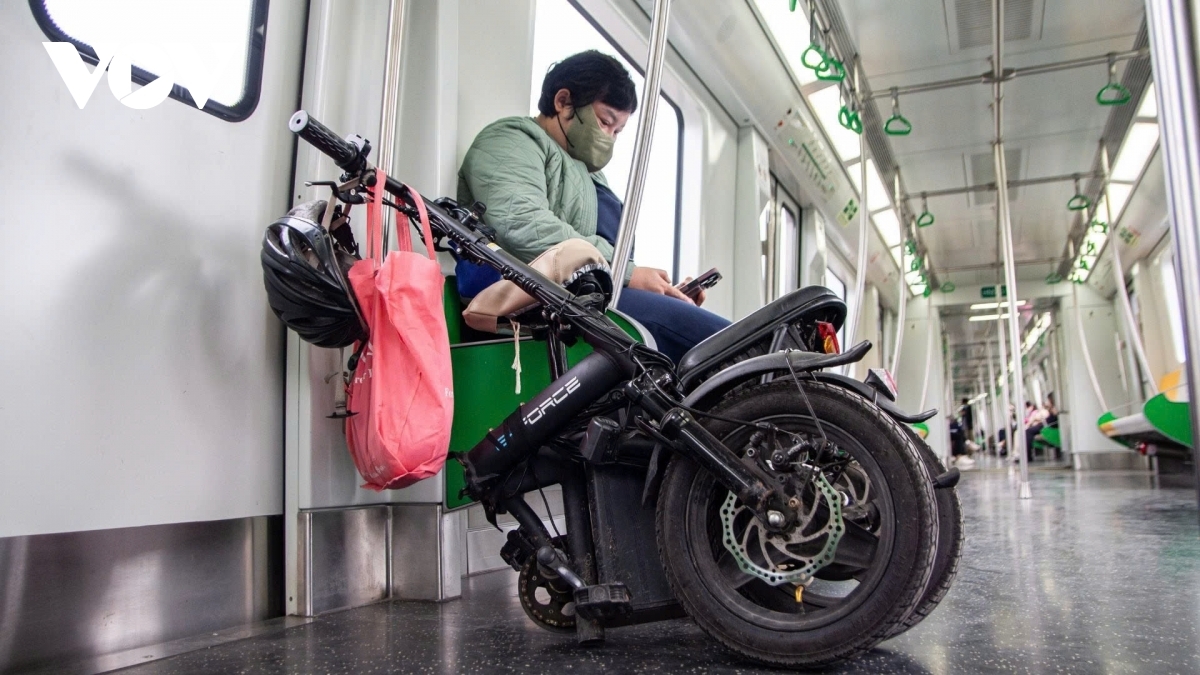
In Ho Chi Minh City, some office employees have asked to work remotely to reduce commuting costs. In Hanoi, others have turned to public transport such as metro services, buses and folding bicycles to reduce their dependence on motorbikes.
Hong Phuc, 25, who lives in Long Binh ward in Ho Chi Minh City, said he asked his supervisor for permission to work from home during the period of rising fuel prices. Travelling to the office would require more than 40 km of commuting each day between his home and the company’s headquarters in Thanh My Tay ward.
According to Phuc, fuel for his 150cc scooter can cost nearly 200,000 VND per week. As fuel prices rise, working online helps him reduce commuting costs.
His company operates under a hybrid working model, allowing employees to work from home as long as they meet deadlines and attend meetings when necessary.
In Hanoi, some young people and office workers say they have been less affected by fluctuations in fuel prices because they rely on public transport.
Dinh Ha Ly, who lives in Ha Dong ward, said combining the urban railway with an electric-assist folding bicycle over the past three years has made commuting more convenient. The choice was initially made for daily convenience, but rising fuel prices have also helped lower his transport spending.
Ly previously used a motorbike to travel to work and meet clients, spending about 500,000-700,000 VND per month on fuel for a journey of more than 10 km between his home and his office in Tay Ho ward. He now cycles to an elevated metro station and continues the trip by train, with total travel time of about 20 minutes.
According to Ly, the metro helps avoid traffic congestion, reduces stress during the commute and makes the journey more comfortable. From the station to his workplace, he uses a folding bicycle to complete the remaining distance.
Buses have also become an option for some residents. Le Thanh Trung, who lives in Linh Dam urban area in Hoang Liet ward, said he previously relied mainly on a motorbike and only occasionally used buses. However, as fuel prices increased, he began taking the bus to work in the morning.
The bus journey takes about 10 minutes longer than travelling by motorbike, Trung said, but it is less tiring because he no longer has to drive through heavy traffic.
Data from Hanoi Metro show that passenger numbers on the city’s urban railway system have been rising. From the beginning of the year to early March, the metro lines carried millions of passengers, with ridership increasing noticeably on March 9 compared with previous days.
The Hanoi Public Transport Management and Operation Centre also reported that passenger numbers on subsidised bus services rose by about 15% in the days following the latest fuel price adjustment.
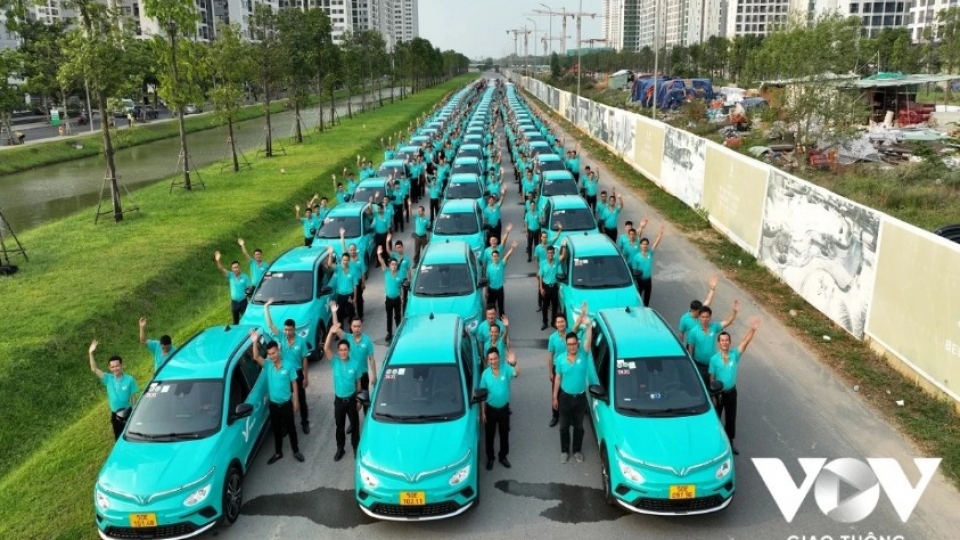
Hanoi to transition all fossil-fuel taxis to electric vehicles by 2030
VOV.VN - Hanoi has issued a plan to transition all taxis using fossil fuels to electric and green-energy vehicles, targeting 100% environmentally friendly taxis citywide by 2030.
