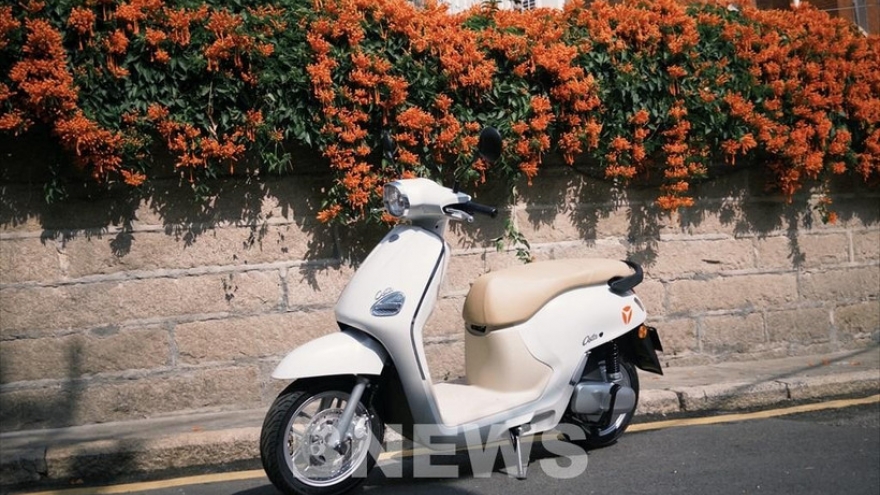
Electric motorbike sales surge in Hanoi as fuel prices rise

VOV.VN - Rising petrol prices over the past few days due to rising geopolitical tensions in the Middle East have significantly increased travel costs, prompting a growing number of consumers to consider switching to electric motorbikes.
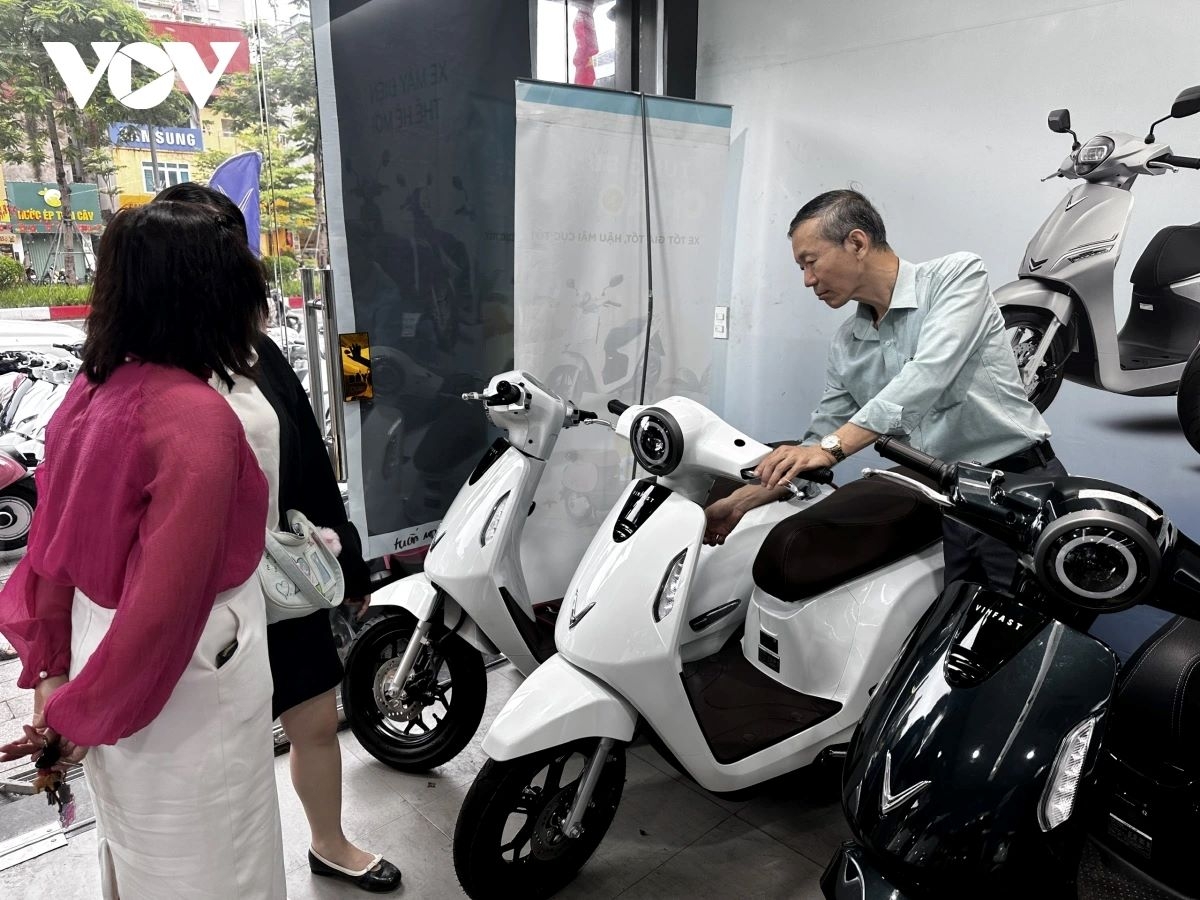
Fuel prices have climbed steadily, at times close to VND30,000 (about US$1.13) per litre, placing a heavier financial burden on many households. Against this backdrop, the electric motorbike market has suddenly regained momentum as more consumers explore alternatives to petrol-powered vehicles.
Electric motorbikes “selling like hotcakes”
In recent days, electric motorbike stores in Hanoi have seen a noticeable rise in customer traffic, with some dealerships experiencing a near-constant flow of visitors.
A sales representative at a DatBike showroom on Nghi Tam Street in Tay Ho ward said the number of customers coming to view and purchase vehicles has surged dramatically, estimated to be three to four times higher than before.
Previously, the dealership sold about four to five bikes per day on average, with sales reaching seven or eight units on particularly busy days. However, over the past two days, daily sales have jumped to around 20 units, a figure considered remarkable for an electric motorbike store.
According to the salesperson, most customers are looking for models priced between VND40 million and VND50 million (around US$1,600–US$2,000). Many buyers cite rising fuel costs as the main reason for considering electric vehicles, hoping to reduce operating expenses. Some customers who had previously only visited the showroom to browse or gather information have now returned to place orders.
A VinFast electric motorbike dealership on Tran Hung Dao Street in Hanoi reported a similar situation, with customer visits and purchase inquiries rising sharply in recent days. The store has been crowded, while remote consultation channels such as hotline services have also been overwhelmed.
Sales staff said the sudden influx of customers has forced the advisory team to prioritise in-store consultations.
According to the dealership’s representative, most customers are currently interested in models priced below VND30 million (about US$1,180), such as the Evo or Feliz, due to their low operating costs, which require only a few thousand dong (VND) in electricity to travel several dozen kilometres.
At a Honda dealership on Vo Chi Cong Street in Hanoi that sells the electric ICON e: model, staff also reported increased interest from customers.
Dealership employees revealed, inquiries about Honda’s electric models were previously limited, with most customers still favouring familiar petrol-powered scooters. However, as fuel prices keep rising, more people have begun exploring electric alternatives.
Market data shows that Vietnam is currently among the fastest-growing electric motorbike markets in the world, with hundreds of thousands of units sold annually. VinFast alone sold more than 406,000 electric motorbikes in 2025, highlighting the rapid growth in demand.
Consumers reassess transportation costs
Nguyen Minh Tuan, a resident of Hoang Mai ward in Hanoi, said he is considering replacing his petrol motorbike, which he has used for more than six years, with an electric one.
He noted that in the past, spending around VND70,000 to VND80,000 (about US$2.7–US$3.1) on petrol would last him several days.
“Now each refill costs nearly VND100,000 (US$3.9) but doesn’t last long. I think using an electric motorbike would probably be much cheaper,” Tuan stressed.
Similarly, Pham Thu Hang, an office worker in Thanh Xuan ward, shared she had never previously considered buying an electric vehicle.
“But recently petrol prices have risen, and I’ve also heard that Hanoi may restrict petrol vehicles in the future, so I’ve started looking into electric motorbikes,” she said.
Hoang Anh, a resident of Dong Anh commune in Hanoi who works at a Samsung factory in Bac Ninh province nearby, said he usually travels by company shuttle bus because the distance from home to work is quite far, and he only occasionally uses his personal motorbike.
However, recent rumours about possible fuel shortages or restrictions have made him concerned about his transportation options.
“If the company shuttle bus stops operating or I suddenly need to travel on my own, I’m not sure how I would manage,” he said.
He and his wife are therefore considering purchasing an electric motorbike to ensure greater flexibility in commuting, while also reducing fuel expenses if petrol prices continue to rise.
In reality, the shift toward electric vehicles is not driven solely by fuel costs. Studies showed that Vietnam is one of the fastest-growing markets for electric two-wheelers in the region, with market revenue projected to reach about US$7 billion by 2030, growing at an average rate of around 18% per year.
Environmental policies and plans to gradually restrict petrol-powered vehicles in major urban centres are also contributing to this growing trend.
As global energy markets remain uncertain following rising geopolitical tensions in the Middle East, demand for electric vehicles in Vietnam will likely continue to grow. For many consumers, electric transportation is becoming both a practical response to rising fuel prices and a step toward a more sustainable future.

Hanoi plans time-based ban on gasoline-powered motorbikes from 2026
Hanoi will not impose a complete ban on gasoline-powered motorbikes within Ring Road No. 1 starting in 2026. Instead, it plans to apply time- or area-specific restrictions, in order to minimise impacts on residents’ daily lives and ensure an appropriate transition roadmap.