Hanoi to transition all fossil-fuel taxis to electric vehicles by 2030

VOV.VN - Hanoi has issued a plan to transition all taxis using fossil fuels to electric and green-energy vehicles, targeting 100% environmentally friendly taxis citywide by 2030.
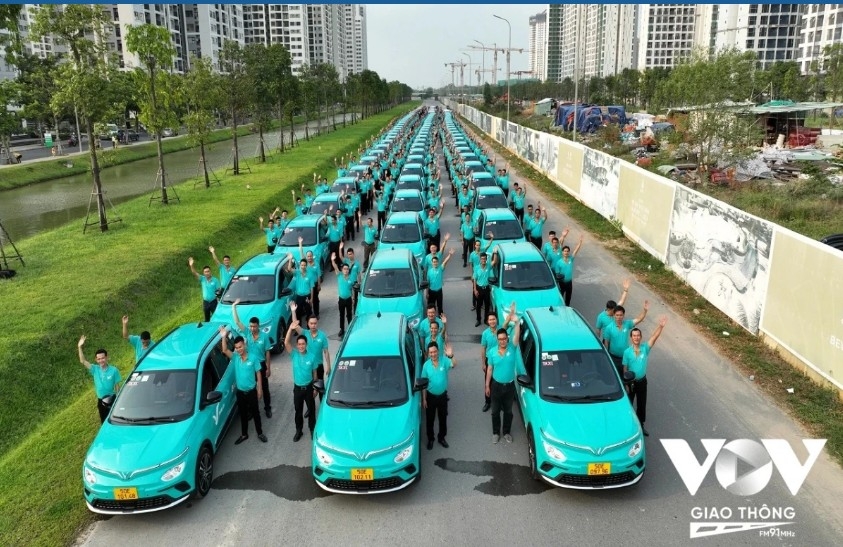
Under a plan issued by the Hanoi People’s Committee on February 27, the transition will be carried out in phases to ensure coordination between vehicles and charging infrastructure, while balancing the interests of the State, businesses and residents.
The share of electric and green-energy taxis is set to reach 63-64% in 2026, 68-70% in 2027, 74-77% in 2028, 88-96% in 2029, and 100% by 2030. After 2030, the city will focus on maintaining stable operating conditions for electric taxis, with priority given to expanding access to charging infrastructure and arranging suitable pick-up and drop-off points.
To support the transition, Hanoi plans to submit a resolution to the Hanoi People’s Council outlining policies to assist the shift to clean-energy road transport and measures to limit high-emission vehicles.
Proposed support policies include preferential loans and interest support for businesses, reduced registration fees, incentives for investors in public charging stations, and a proposal to extend the 100% registration fee exemption for electric and green-energy cars, particularly those used for passenger transport services.
Alongside financial measures, the city will expand charging infrastructure in central areas, ring roads, airports, railway stations and bus terminals, and implement low-emission zones and technology-based monitoring systems to manage taxi operations. Infrastructure investment is considered a key factor in ensuring an effective and sustainable transition.
Hanoi currently has more than 14,300 taxis in operation, of which nearly 8,800 are electric. About 13,600 vehicles are inactive and awaiting replacement, bringing the total number of taxis expected to undergo transition by 2030 to nearly 28,000.
The plan is implemented in line with the Prime Minister’s decisions on green transport development and emission reduction in the transport sector, thereby contributing to improved urban air quality and the city’s sustainable development goals.

Chinese electric vehicles drive back into Vietnamese market
Chinese electric cars are returning Vietnam under a strategy to enter the market as affordable vehicles built with the latest in technology.