Remote work is becoming the new normal in Vietnam

VOV.VN - Once viewed merely as a temporary solution during the COVID-19 pandemic, remote work is increasingly becoming a common labour trend in Vietnam thanks to its flexibility in time and location, as well as its ability to optimise productivity.
However, alongside these advantages come new challenges related to health, self-discipline and team connectivity.
From a pandemic solution to a lasting work trend
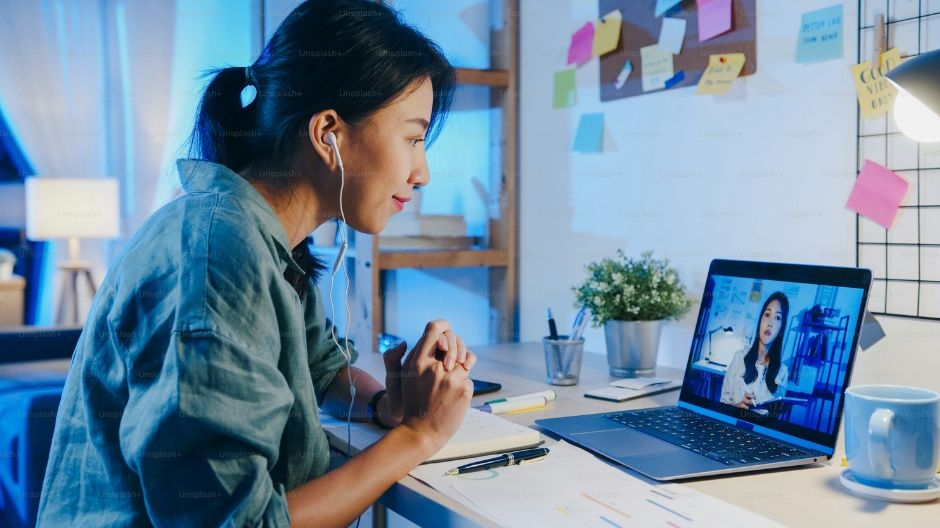
The rapid development of digital technology in recent years has significantly changed the way people study and work. With only an internet-connected computer and platforms such as Zoom, Google Meet or Microsoft Teams, many tasks that previously required physical presence can now be handled from virtually anywhere.
The COVID-19 pandemic is widely considered a turning point that accelerated this transformation. During periods of social distancing, online working became a key solution for businesses, schools and organisations to maintain operations. After the pandemic, instead of fully returning to traditional office models, many workers continued to prefer more flexible working arrangements.
According to a PwC survey, 19% of respondents said they were willing to work fully remotely, while 37% hoped to work online at least two days per week. The findings suggest that hybrid and remote working models are gradually becoming a new expectation among the modern workforce.
Flexibility appeals to young workers and educators
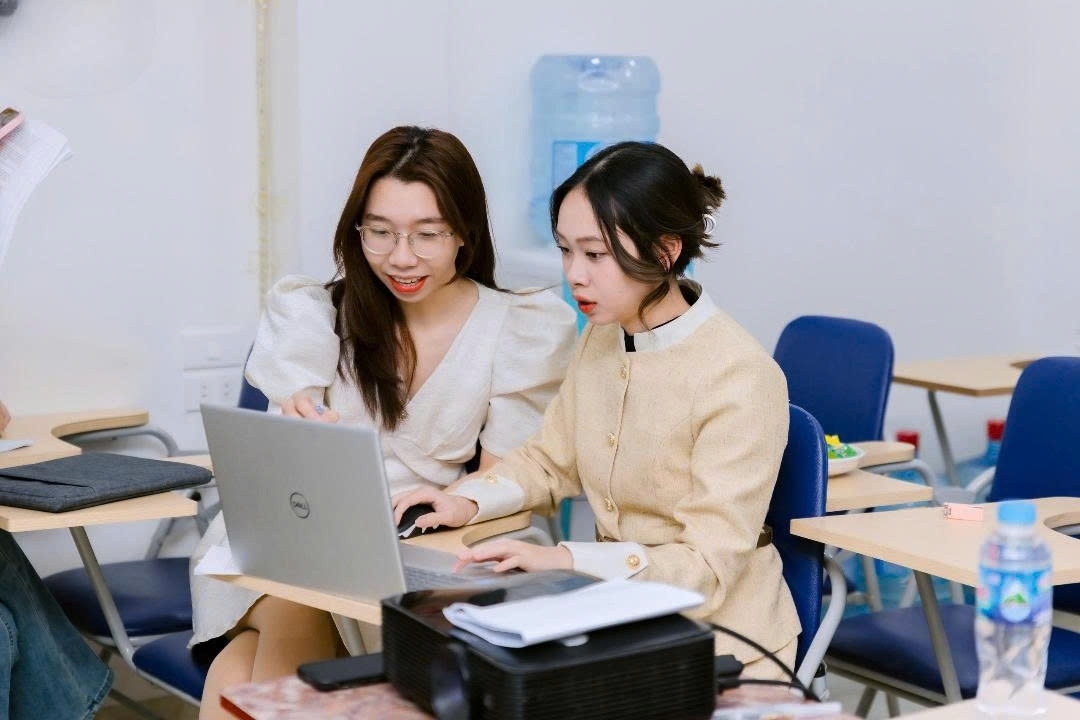
In Vietnam, the trend is particularly popular among young people, especially students and workers in fields such as media, technology, education and content creation.
Le Minh Phuong, a student at the Academy of Journalism and Communication, said, remote work helps save commuting time and allows greater flexibility in balancing studies, work and personal life.
“Remote work helps me avoid excessive travel, stay more focused on studying while still being able to manage outside work and maintain a better life balance,” Phuong shared.
Not only young workers, but many lecturers and experts also appreciate the flexibility that this model offers.
Dr. Pham Thuy Phuong, head of the Geriatrics Department at Tue Tinh Hospital and lecturer at the Vietnam University of Traditional Medicine, said online teaching allows her to manage time more effectively while integrating technology and visual materials into lessons.
According to her, online learning also enables students to access materials more easily, review lectures and become more proactive in their studies.
Hidden challenges behind working from home
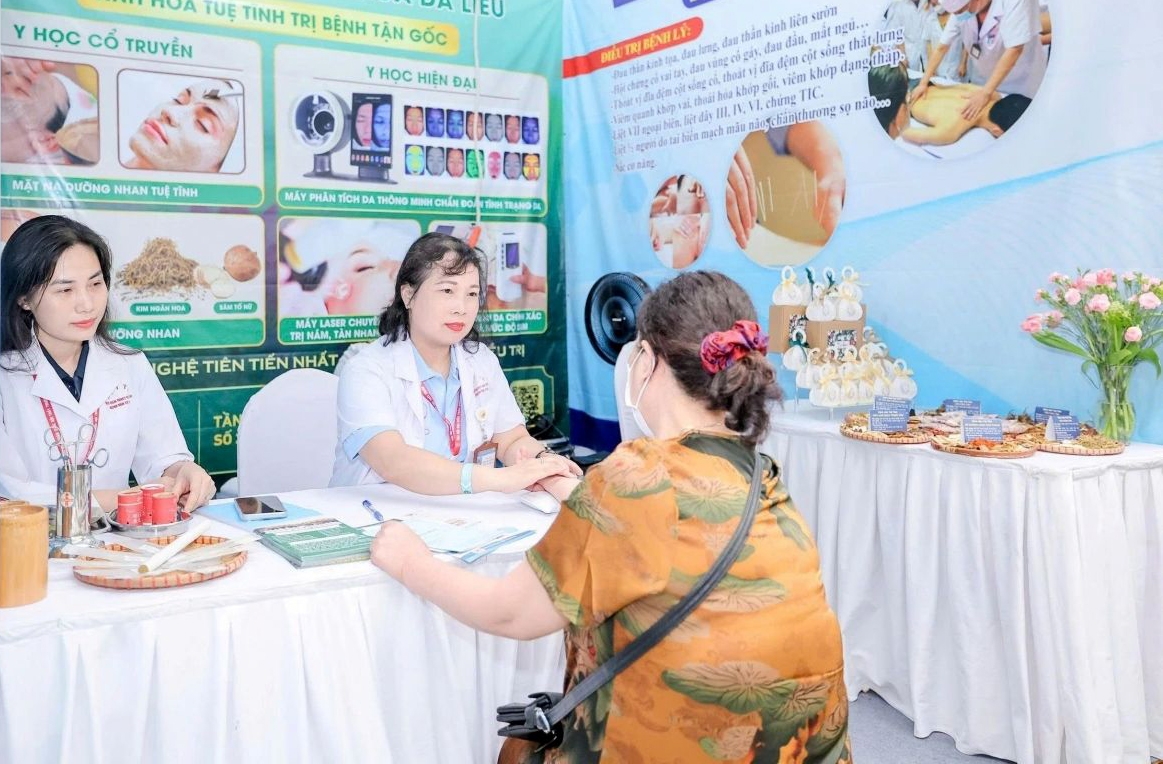
However, despite its clear advantages, remote work also creates challenges for both physical and mental health.
Dr. Phuong noted that spending long hours in front of computer screens can cause neck, shoulder and back pain, eye strain and sleep disorders. In addition, prolonged lack of direct interaction may lead to feelings of isolation, stress or mental exhaustion.
Another challenge of remote work is the high demand for self-discipline and time management. As the boundary between work and personal life becomes increasingly blurred, many people find themselves working longer hours and struggling to disconnect from job-related pressure.
Nevertheless, experts believe remote work will continue to play an important role in the future labor market, especially as digital transformation accelerates.
The question is no longer whether remote work should exist, but how workers and businesses can build suitable models that ensure productivity while maintaining long-term health and quality of life.
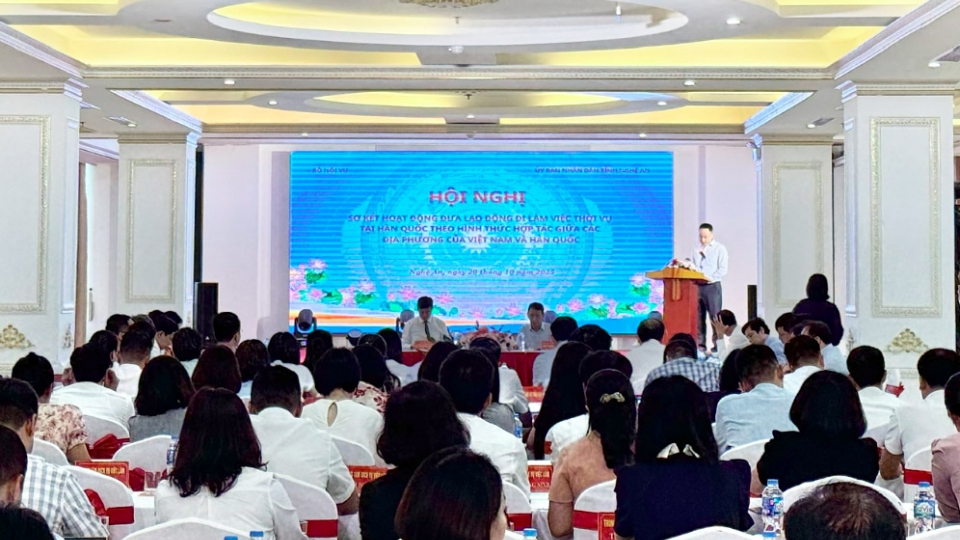
Over 10,000 Vietnamese workers sent to RoK for seasonal jobs
VOV.VN - More than 10,000 Vietnamese workers have been sent to the Republic of Korea for seasonal employment under a local cooperation programme between Vietnamese and Korean authorities, heard a review conference in Nghe An province on October 20.