Prolonged damp weather expected in Northern Vietnam this March

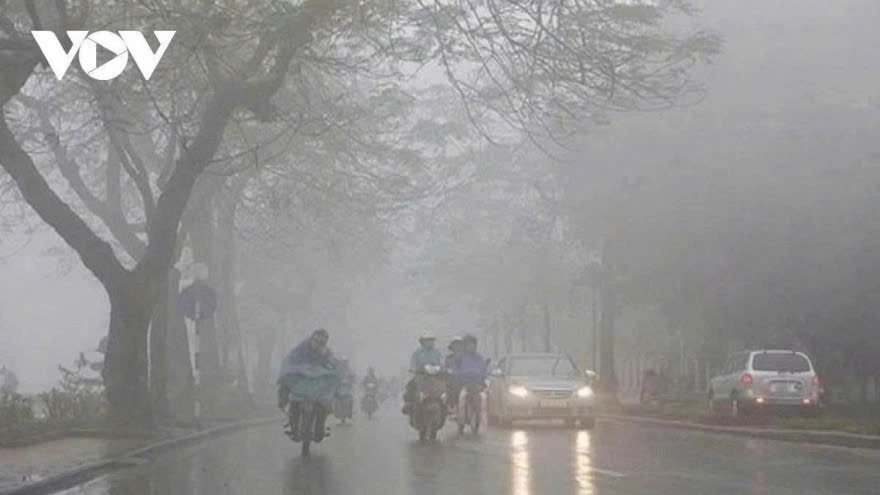
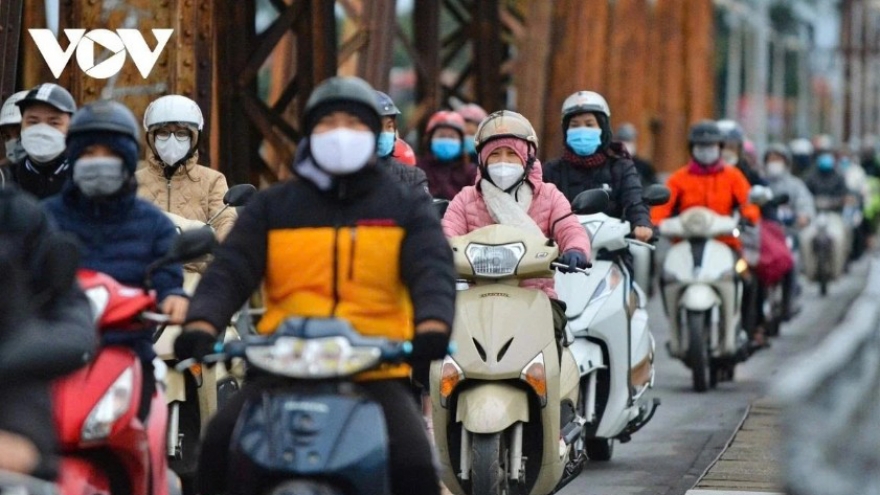
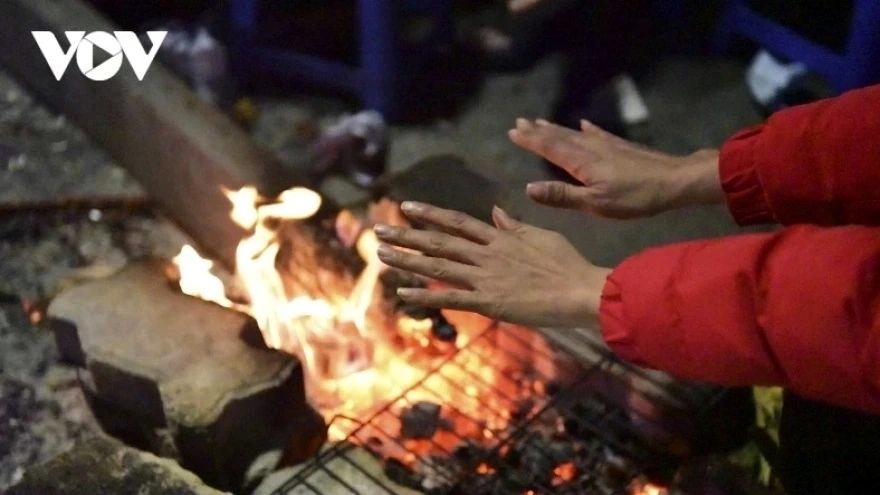
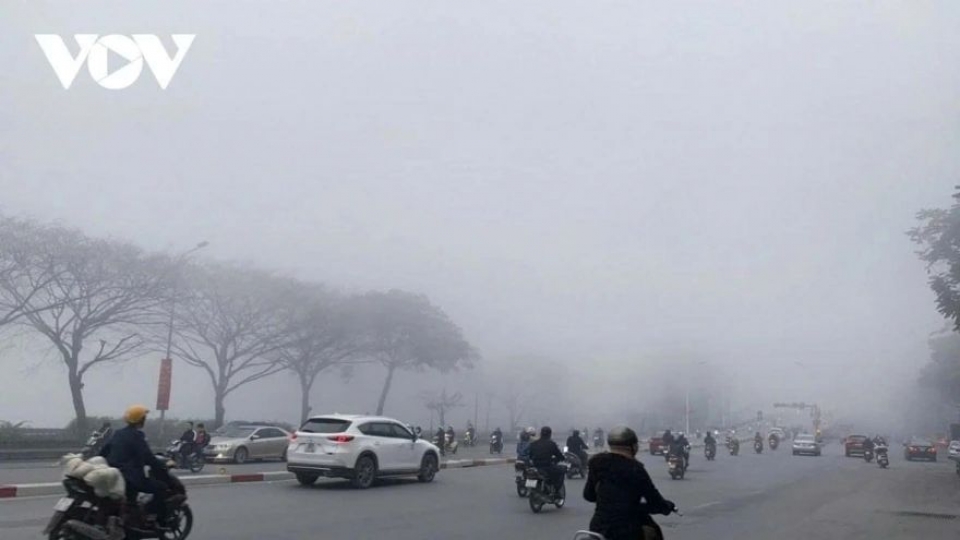
VOV.VN - Northern Vietnam and the north-central region are expected to experience extended periods of drizzle, light rain and fog through the end of March, as cold air masses shift eastward and gradually weaken over the sea, meteorologists have warned.
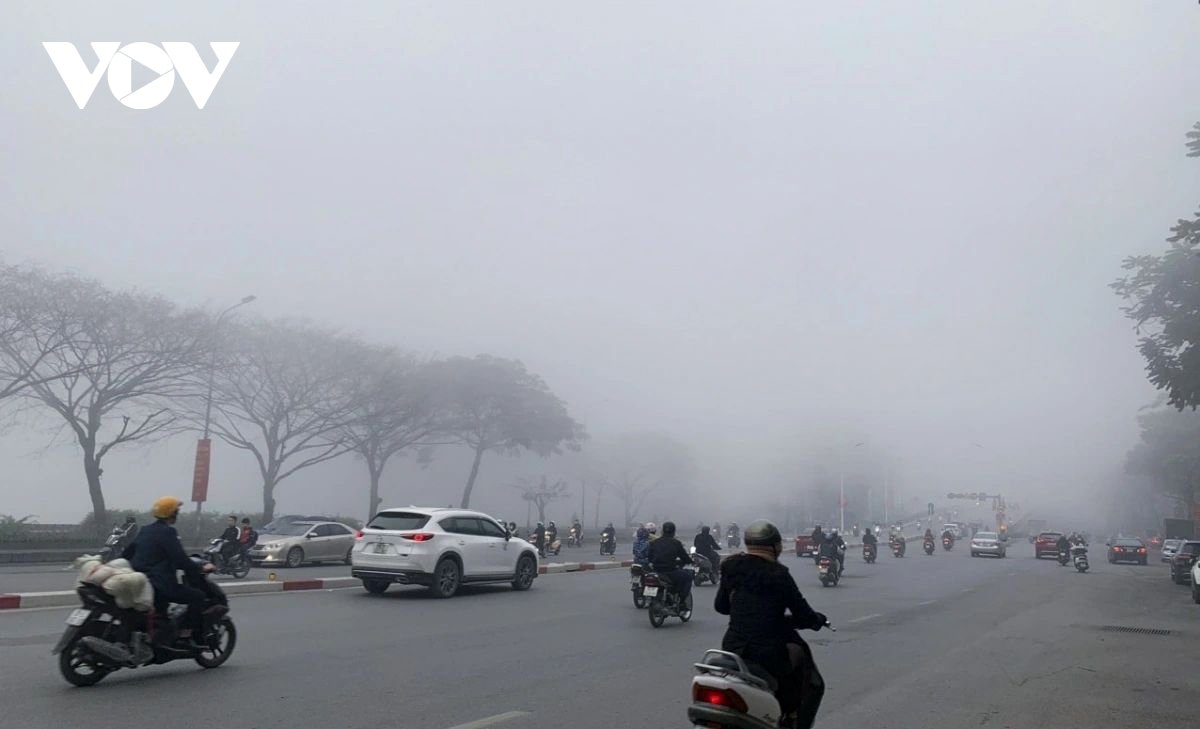
This weather pattern creates favourable conditions for the characteristic damp phenomenon of northern Vietnam’s spring which often causes significant inconvenience to daily life.
According to forecasts, average temperatures nationwide in March will remain close to long-term averages. However, instead of pushing deeply southward, incoming cold air masses are expected to veer eastward and lose strength over the East Sea.
As they move inland, they carry high moisture content. Combined with slightly rising daytime temperatures, humidity levels are set to frequently exceed 85–90%, leading to condensation on floors, walls and household surfaces - a phenomenon commonly described as homes “sweating.”
The damp weather typically occurs when weakening cold air meets warm, moisture-laden air flowing in from the sea. The temperature difference between indoor surfaces and outdoor air causes water vapour to condense, leaving floors slippery, walls wet, clothes slow to dry and electronic devices vulnerable to damage. Metal objects are also more prone to corrosion during these periods.
Persistent fog and drizzle are likely during early mornings and nighttime hours, reducing visibility and affecting transportation and outdoor activities. High humidity also creates ideal conditions for mold and bacteria to thrive, posing health risks, including respiratory illnesses and allergies, particularly for the elderly and children.
In mountainous and midland areas of northern Vietnam, localised cold spells may still occur, potentially affecting crop growth. Meanwhile, southern regions may experience isolated heat waves, highlighting the sharp weather contrasts across the country during the same period.
Meteorological experts advise residents to take preventive measures to minimise the impact of damp weather. These include keeping doors and windows closed when outdoor humidity is high, using dehumidifiers or air conditioners in dry mode, regularly drying floor surfaces to prevent slipping, and properly storing electronic equipment and household items.
Authorities are also encouraged to closely monitor short-term weather forecasts, particularly within 1-3 day intervals, to adjust production activities, daily routines and safety measures accordingly.
As climate change contributes to increasingly complex and extreme weather patterns, careful monitoring of eastward-shifting cold air systems and prolonged humid conditions in March will be crucial in reducing disruptions to both daily life and economic activities.
Cold front brings chilly weather to Vietnam during Lunar New Year
VOV.VN - A cold front is expected to affect northern Vietnam from February 17, bringing rain and lower temperatures during the first days of the Lunar New Year 2026, according to the National Centre for Hydro-Meteorological Forecasting.