Potential “Super El Nino” in 2026: What could it mean for Vietnam?

VOV.VN - Recent warnings from global meteorological agencies about a possible “super El Nino” in 2026, though still preliminary, underscore the need for Vietnam to prepare for a range of potential climate risks if the phenomenon intensifies.
Early warning, but growing likelihood
At present, forecasts of a “super El Nino” is tentative. However, an El Nino event is highly likely to develop between May and July 2026, with a probability of around 61%, and could persist through the end of the year.
According to the National Oceanic and Atmospheric Administration (NOAA), there is currently a 25% chance that the event could reach “super” intensity.
Historically, only three super El Nino events have been recorded over the past four decades, in 1982–1983, 1997–1998, and most recently 2015–2016. Such events are typically defined by sea surface temperatures in the central equatorial Pacific rising more than 2°C above average.
Dr. Truong Ba Kien, deputy director of the Centre for Meteorological and Climate Research (Institute of Meteorology, Hydrology, Environment and Marine Sciences), noted that the term “super El Niño” is not an official scientific classification, but is commonly used to describe particularly strong El Nino events with widespread climatic impacts.
Scientists warned that El Nino does not directly create specific weather events but alters broader climate patterns, increasing the likelihood of extremes.
According to climate experts, stronger El Nino conditions can lead to higher temperatures, reduced rainfall and disruptions in atmospheric circulation.
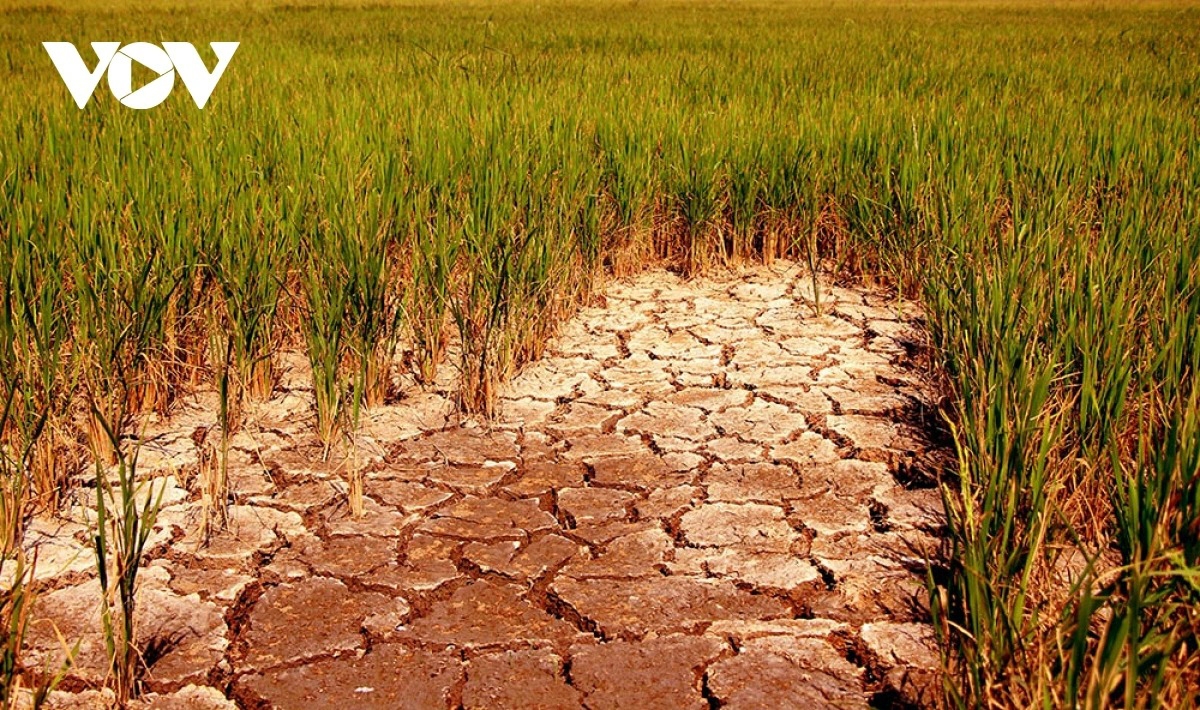
In Vietnam, this often translates into prolonged heatwaves, drought, water shortages and impacts on agriculture and hydropower generation.
Regional impacts may vary. Northern Vietnam typically experiences higher temperatures and more frequent heatwaves, while central, Central Highlands and southern regions are more vulnerable to severe drought due to reduced rainfall.
From a practical perspective, Le Thi Xuan Lan, former deputy head of the Forecasting Division at the Southern Regional Hydrometeorological Centre, pointed out that in strong El Nino years, the number of storms in the East Sea typically falls below the long-term average. However, this does not necessarily reduce overall risk, as powerful storms can still occur unpredictably and may even form later in the season.
Lessons from past events and outlook for 2026
Previous strong El Nino episodes have had severe consequences for Vietnam. The 1997–1998 event brought record-breaking heat and was associated with Typhoon Linda, one of the deadliest storms to hit southern Vietnam in the past century, causing thousands of deaths and widespread damage to fisheries, agriculture and infrastructure.
During the 2015–2016 El Nino, Vietnam experienced historic drought and saltwater intrusion in the Mekong Delta, with seawater penetrating 70-90 km inland. Millions of people faced water shortages, and hundreds of thousands of hectares of crops were damaged.
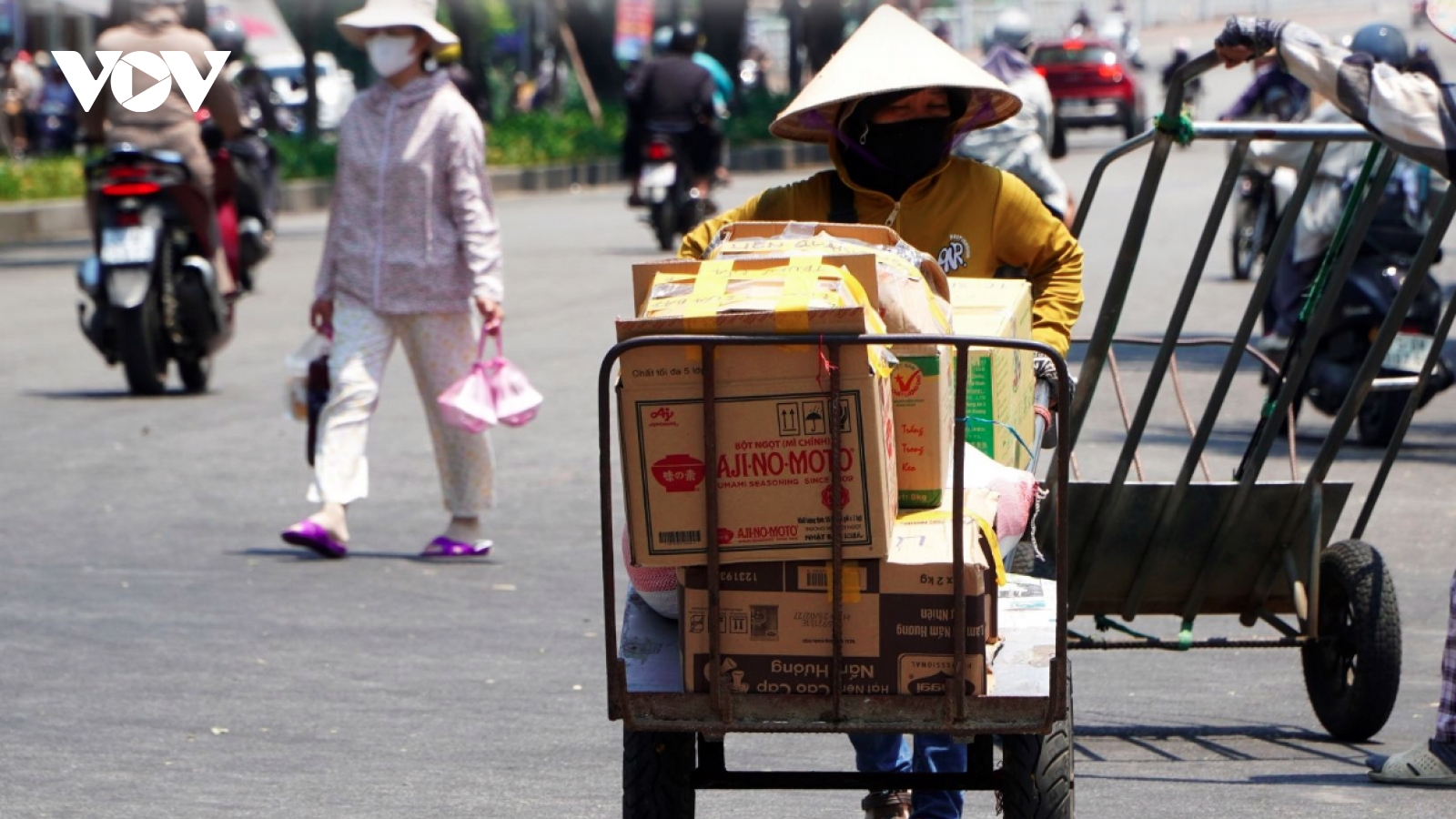
Although Vietnam is currently under neutral ENSO conditions, recent weeks have already seen unusually intense heatwaves, with temperatures reaching 37–39°C nationwide and exceeding 41°C in parts of central Vietnam, among the most severe in a decade.
Meteorological data show that temperatures in northern and north-central regions were 2-4°C above the long-term average between mid-March and early April.
According to Dr. Kien, if a strong El Nino develops in 2026, heatwaves could last longer, rainfall could decline further, and water shortages may worsen. Drought conditions may begin late in 2026 and extend into early 2027, putting pressure on agriculture and energy supply.
Amid ongoing climate change and rising global temperatures, the impacts of El Nino are becoming increasingly extreme and unpredictable.
Experts recommended closely monitoring weather developments and preparing response measures, particularly in water resource management and disaster prevention.

El Nino forecast to return in late 2026, more extreme weather expected
VOV.VN - Vietnam may experience longer and more intense heat waves in 2026 as the El Nino climate pattern is expected to re-emerge toward the end of the year, warn meteorological experts.