Post-Tet labour market: Seasonal shortages, structural stability

VOV.VN - Vietnam’s labour market entered 2026 on a steady footing, with post-Tet (Lunar New Year) labour shortages seen as seasonal fluctuations rather than signs of deeper structural challenges.
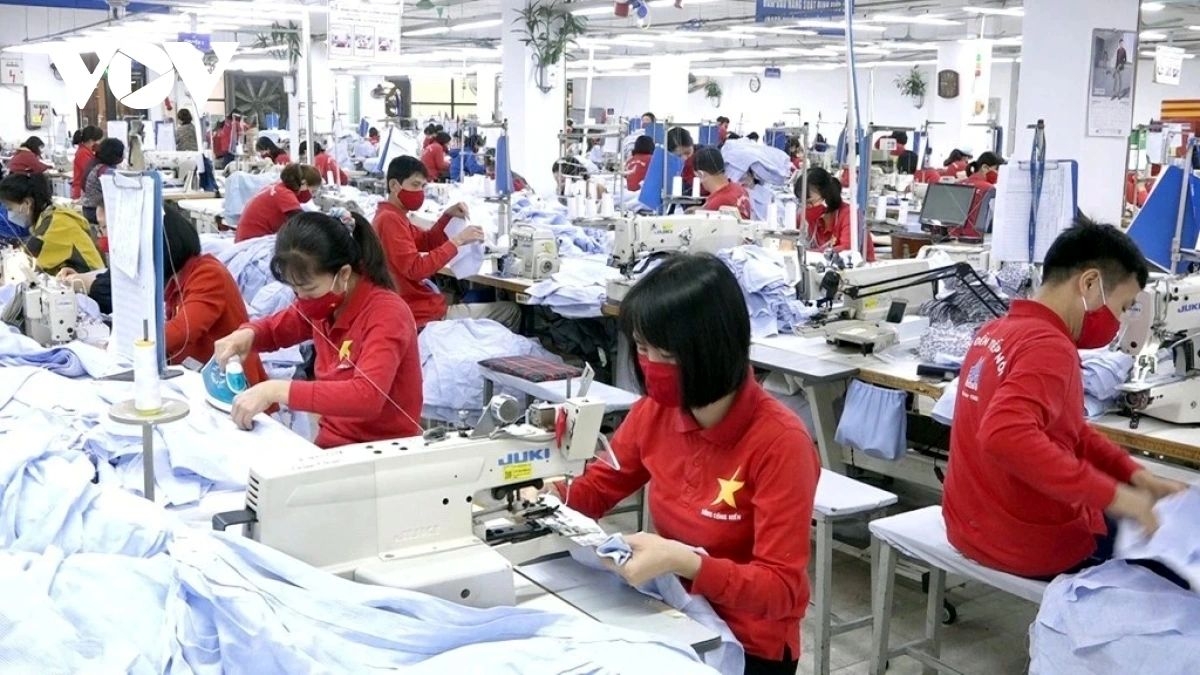
According to projections from the Ministry of Home Affairs, employment in the first quarter of 2026 is expected to increase by around 300,000 compared to the fourth quarter of 2025, bringing the total number of employed workers nationwide to approximately 53 million. The data reflects sustained economic momentum as businesses resume and expand production early in the year.
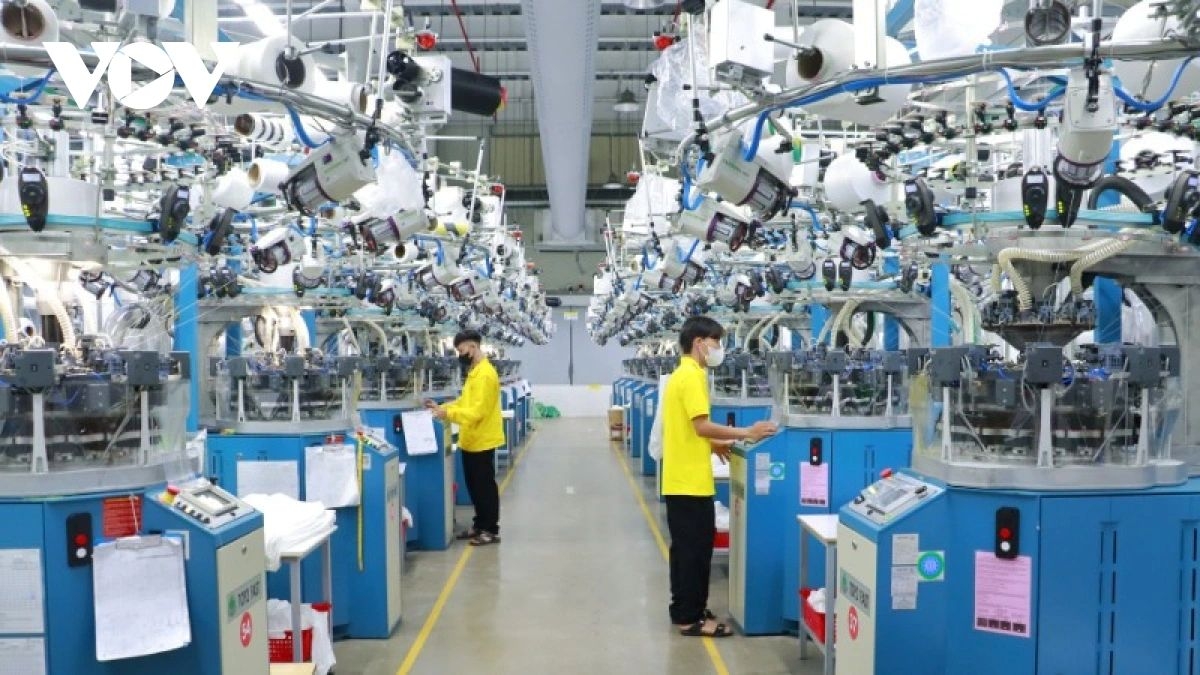
Several manufacturing sectors are forecast to see rising recruitment demand. Food processing is anticipated to grow by 3.1%, motor vehicle production by 1.6%, and transport equipment manufacturing by 2.6%. These figures underscore the continued role of export-oriented and supply chain-linked industries as key job creators.
However, some sectors may experience employment declines, including tobacco manufacturing, chemical production, and machinery repair and installation.
Seasonal labour shifts around Tet
Short-term labour mobility tends to increase in the period leading up to and immediately after Tet. Some low-skilled workers, students and seasonal labourers temporarily shift to service-sector jobs to supplement income, while others leave the workforce early to return to their hometowns for the holiday.
In major industrial hubs such as Hanoi, Bac Ninh, Thai Nguyen, Ho Chi Minh City and Dong Nai, authorities estimate that around 85% of workers returned to factories in the first days after Tet, with the rate rising to approximately 95% by the end of February 2026.
Officials emphasise that such fluctuations are recurring patterns rather than signs of systemic labour shortages.
Wage policies key to workforce retention
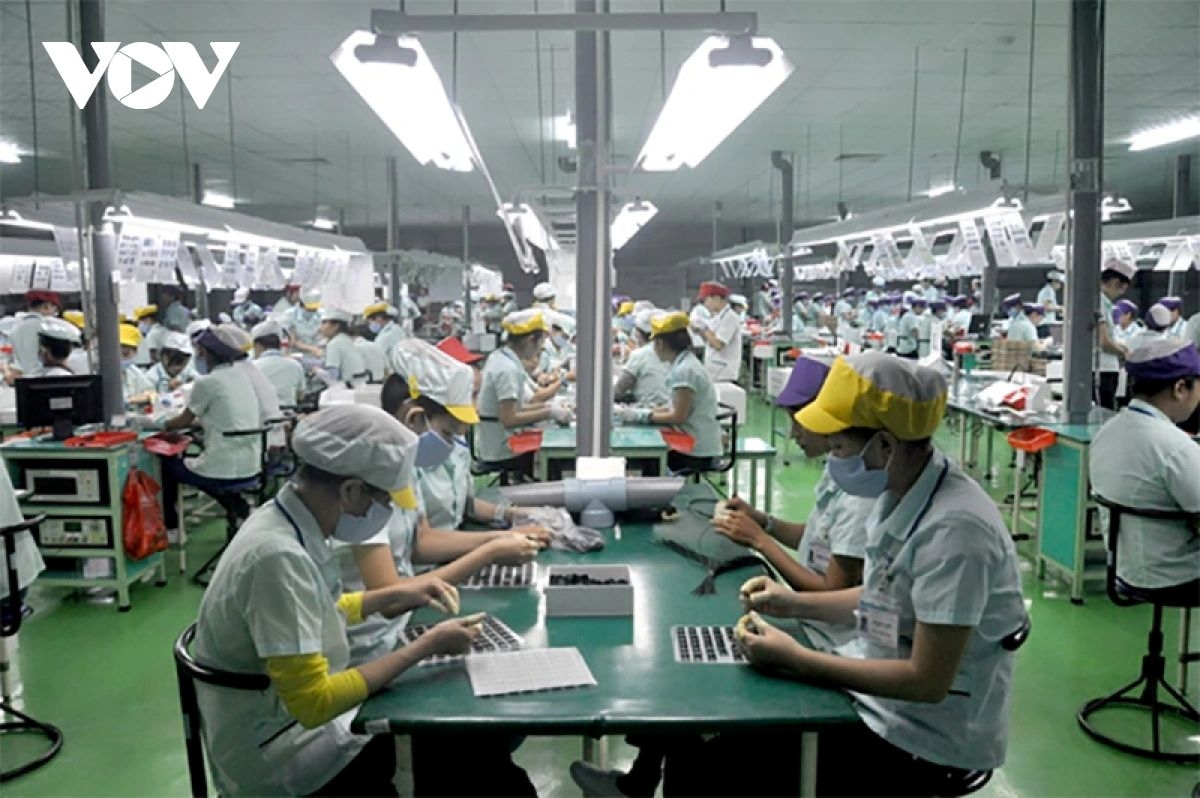
The Ministry of Home Affairs has closely monitored labour conditions before and after Tet, particularly in localities with large industrial zones. Measures have included strengthening job matching services, reorganising employment service centres, and ensuring that recruitment channels stay smooth during peak periods.
Ensuring timely payment of wages, bonuses and welfare benefits has been identified as a critical factor in stabilising the workforce. According to the Vietnam General Confederation of Labour, labour relations remained largely stable during Tet 2026, with fewer collective work stoppages compared to the same period last year. Income and bonus levels also showed improvement.
Nationwide, Vietnam currently has around 52.4 million employed people, up more than 578,000 year on year. The underemployment rate among working-age people fell to 1.65%, including 1.25% in urban areas and 1.93% in rural areas. Average monthly income reached approximately VND8.4 million (around US$330), up nearly 9% from the previous year.
Long-term workforce development
Experts note that beyond adjusting wage and bonus policies, businesses need to improve working conditions, foster corporate culture and provide clear career development pathways to retain employees.
At the same time, workers are encouraged to enhance vocational skills, digital competencies and labour discipline to better seize opportunities in an increasingly technology-driven and globally integrated economy.
As Vietnam continues its economic recovery and restructuring, post-Tet labour shortages are viewed as temporary adjustments within a broadly stable and expanding labour market.

AI seen as urgent tool for workplace safety amid rising labour risks
VOV.VN - The application of artificial intelligence (AI) in occupational safety and health is becoming increasingly urgent in Vietnam as traditional safety management methods struggle to keep pace with rapid changes in the labour market, experts said at a national conference on December 19.