Population aging in Vietnam opens major opportunity for ‘silver economy’ growth

VOV.VN - Vietnam’s rapidly aging population is expected to reshape the economy, creating both challenges and major opportunities for a fast-growing “silver economy” driven by senior consumption, healthcare, and workforce participation.
Vietnam is experiencing one of the fastest population aging trends in the world, bringing significant pressures on social welfare, health care, and the labour market. But it is also opening new growth potential for the emerging “silver economy” with economic activities linked to the consumption, care, and contributions of older adults.
According to projections, the country will have around 18.2 million people aged 60 and above by 2030. Experts noted that Vietnam is transitioning from an aging society to an aged society in just 20–25 years, among the fastest rates globally.
“Getting old before getting rich” challenge
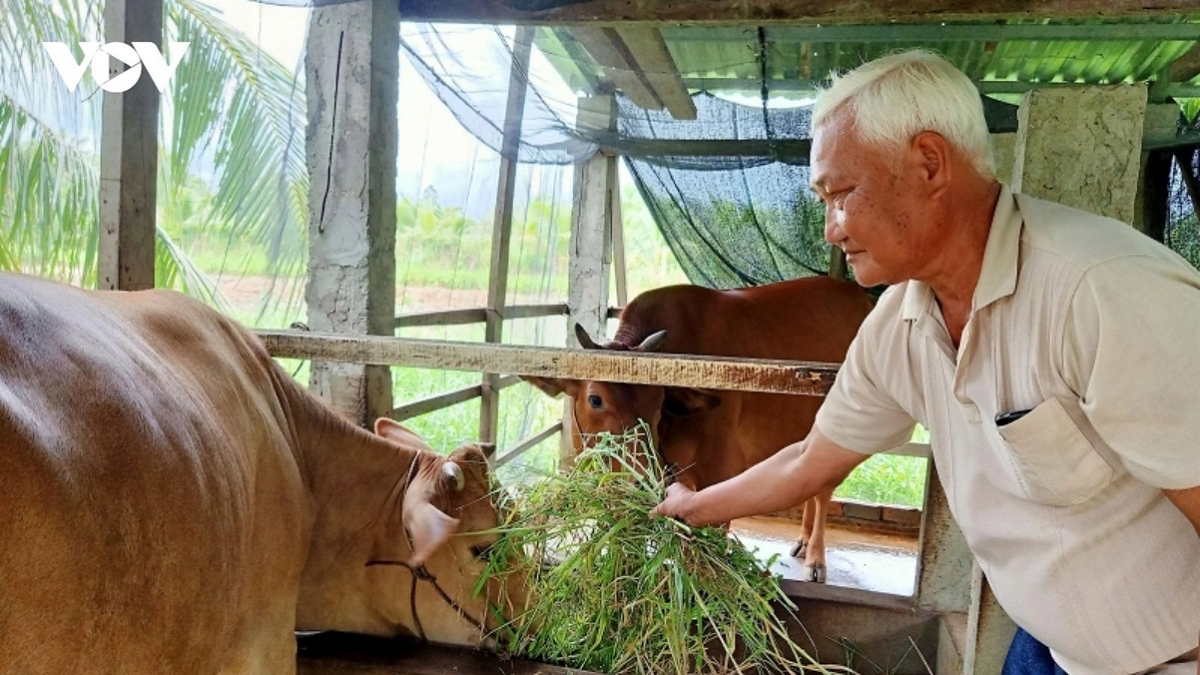
Tran Bich Thuy, country director of HelpAge International in Vietnam, highlighted a key structural challenge facing the country.
“The biggest challenge today is the situation of ‘getting old before getting rich,’ when the economy remains at middle-income level but must meet rapidly increasing demands for healthcare and social protection,” she said.
She noted that the pressure is not only due to the rising number of older people but also because of shifts in disease patterns and family structures.
“The pressure is not only the rapid increase in the number of older people, but also the fact that the current system has not kept up with changes in disease structure and family models,” she argued.
She added that many older people are now living alone or only with their spouse, increasing vulnerability and care needs.
She also warned that Vietnam’s healthcare system is still largely oriented toward acute treatment, while an aging society requires stronger capacity for chronic disease management and long-term care. Without a shift toward primary healthcare and continuous care models, hospitals may face increasing overload.
Aging as an economic opportunity
Despite these challenges, experts emphasised that population aging also represents a significant economic opportunity.
“The silver economy includes all economic activities related to the consumption, care, and contribution capacity of older people,” Thuy explained.
She stressed that older adults are becoming more active, healthier, and increasingly willing to spend on quality-of-life services.
At a national conference on the silver economy in March 2026, the then Prime Minister Pham Minh Chinh underscored a major shift in mindset, stating that population aging should no longer be seen purely as a burden but as a new economic driver.
He stressed that older people are not a social burden but a “valuable resource for national development,” calling for a transition from a “burden narrative” to a “development opportunity mindset.”
He also noted that the silver economy could become a new growth engine, expanding both supply and demand while contributing to long-term social welfare and equity.
Policy shift toward a new growth engine

From a broader policy perspective, public policy expert Nguyen Si Dung said Vietnam must reframe aging as a “new source of growth.”
“Older people are not only social welfare beneficiaries, but also part of the labour force and consumption market. With appropriate policies, they can continue contributing to the economy,” he noted.
He added that the silver economy is not just about expanding service markets, but about reshaping the growth model, with key sectors including health care, care technology, retirement finance, and senior tourism.
Experts identified four main growth areas, namely long-term healthcare and elderly care services; assistive technologies for older adults; senior-focused consumer markets (nutrition, insurance, housing); and flexible employment models for people over 60.
Allowing older people to remain in the workforce is considered particularly important. Many individuals aged 60–70 stay healthy, experienced, and willing to work, representing a significant untapped resource.
Toward a proactive aging strategy
Experts agreed that Vietnam must shift from a reactive approach to a proactive development strategy in managing aging. This includes building a comprehensive silver economy ecosystem covering healthcare policy, social protection, labour reform, and service innovation.
Aging is an irreversible demographic trend, but with early preparation and the right policy framework, it can become a long-term growth driver for Vietnam’s economy.
Vietnam urged to harness “golden population” as rapid ageing looms
VOV.VN - Vietnam is facing an urgent policy challenge: how to fully harness its “golden population” advantage before entering a phase of rapid population ageing in the coming decades.