Northern Vietnam to experience cold spell during Christmas 2025

VOV.VN - Northern Vietnam is expected to be hit by a strong cold surge during the Christmas period, with temperatures dropping significantly and widespread chilly conditions forecast between December 23 and 25.

According to the National Centre for Hydro-Meteorological Forecasting, a severe cold spell is likely to affect the northern region from late December 23, causing a sharp decline in temperatures, particularly at night and in the early morning hours.
Prior to the arrival of the cold air mass, weather conditions across northern Vietnam are forecast to remain cool mainly during nighttime and early morning, with mild sunshine during the day.
Daytime temperatures in the Red River Delta are expected to range between 15 and 18°C, while some mountainous areas may see temperatures fall below 14°C.
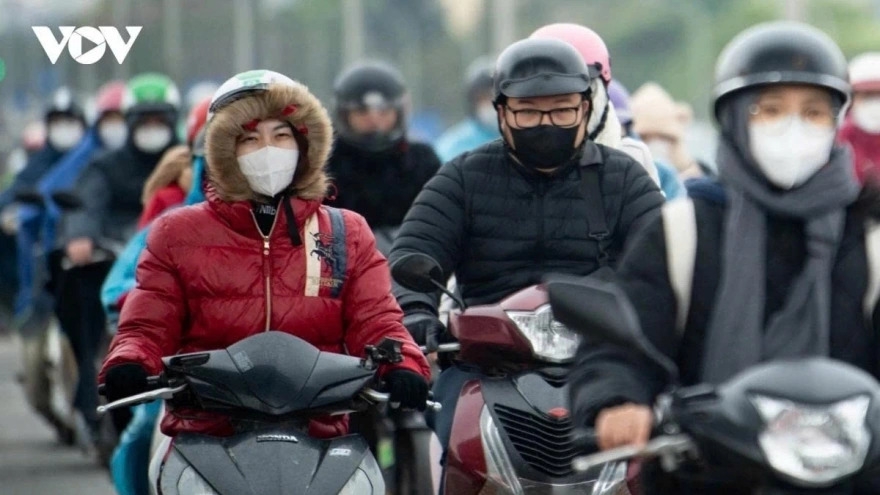
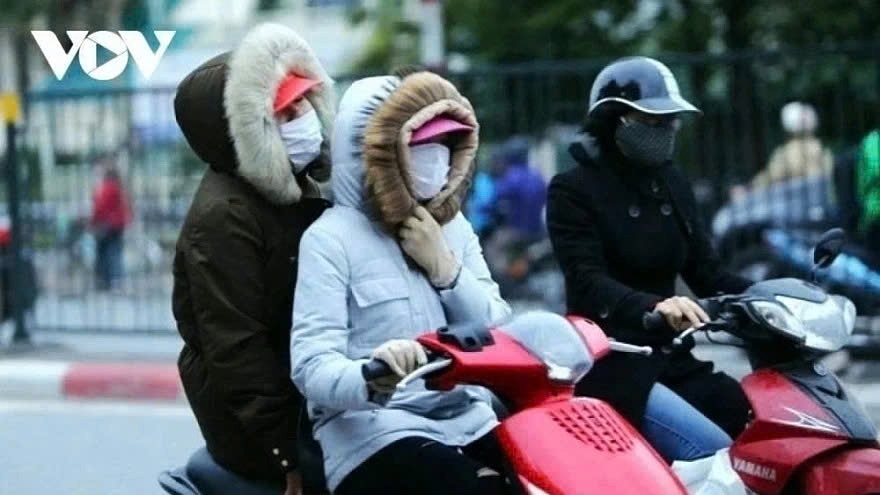
From the night of December 24, the cold air is anticipated to strengthen further, bringing scattered rain to lowland and midland areas, increased cloud cover, and high humidity levels. These conditions are likely to intensify the cold sensation, especially on Christmas Eve, when outdoor activities are most common.
Overall, Christmas weather in northern Vietnam this year is forecast to reflect typical winter conditions, with colder temperatures compared to previous days. Authorities have advised residents to take precautions to stay warm, particularly the elderly and young children, and to closely monitor weather updates to adjust travel and holiday plans accordingly.
According to Hoang Phuc Lam, deputy director of the National Centre for Hydro-Meteorological Forecasting, this winter’s cold spells are characterised by dry cold conditions, meaning lower temperatures mainly occur at night and in the morning, while daytime weather remains relatively sunny and milder.
This weather pattern is expected to prevail throughout December 2025 and January 2026. From late February onwards, light rain and drizzle may return to northern Vietnam.
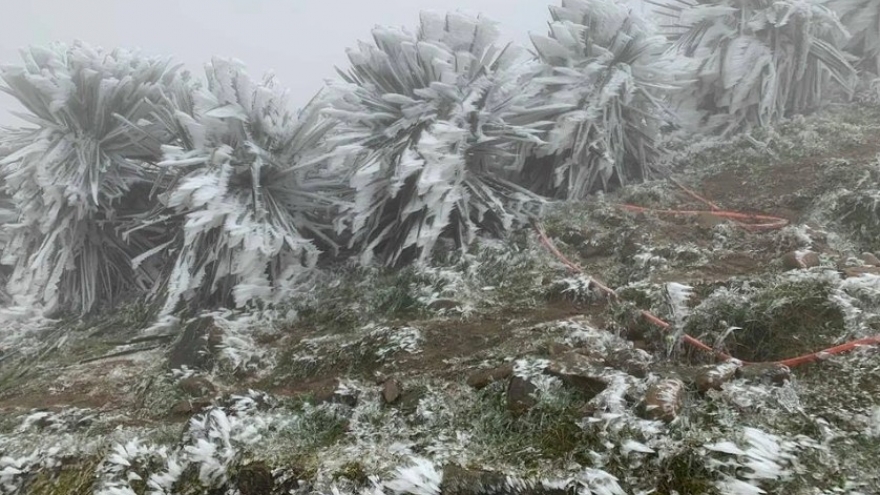
Under dry cold conditions, snowfall is considered unlikely even in high-altitude areas, with frost and ice expected to be the primary hazards during nighttime and early morning hours.

Cold air weakens as temperatures rise, air pollution worsens
VOV.VN - A cold air mass that swept across northern and north-central Vietnam over the past two days, bringing rain and a sharp drop in temperatures, began to weaken on December 15, allowing temperatures to rise by 3-4°C, weather officials said.