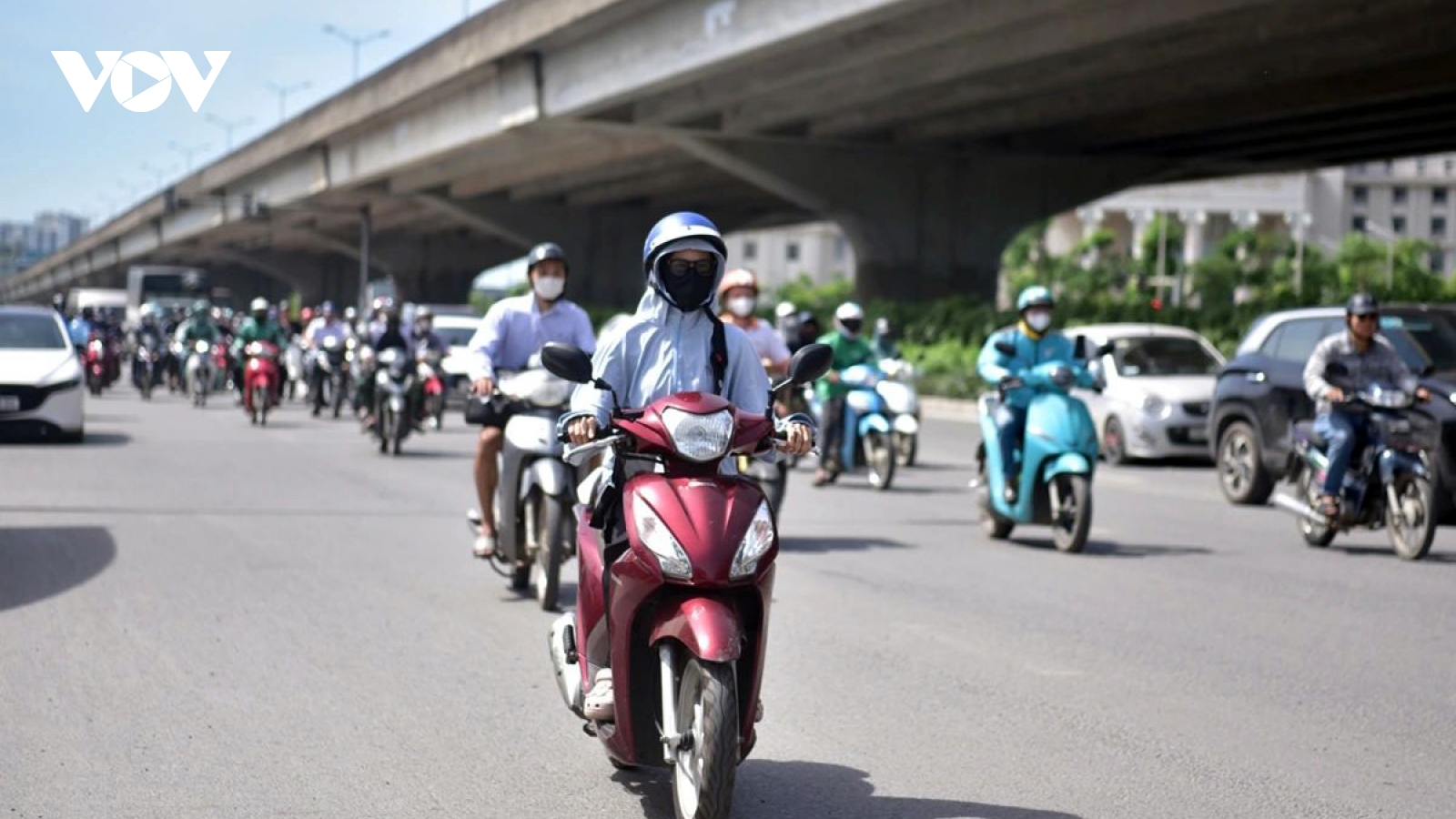
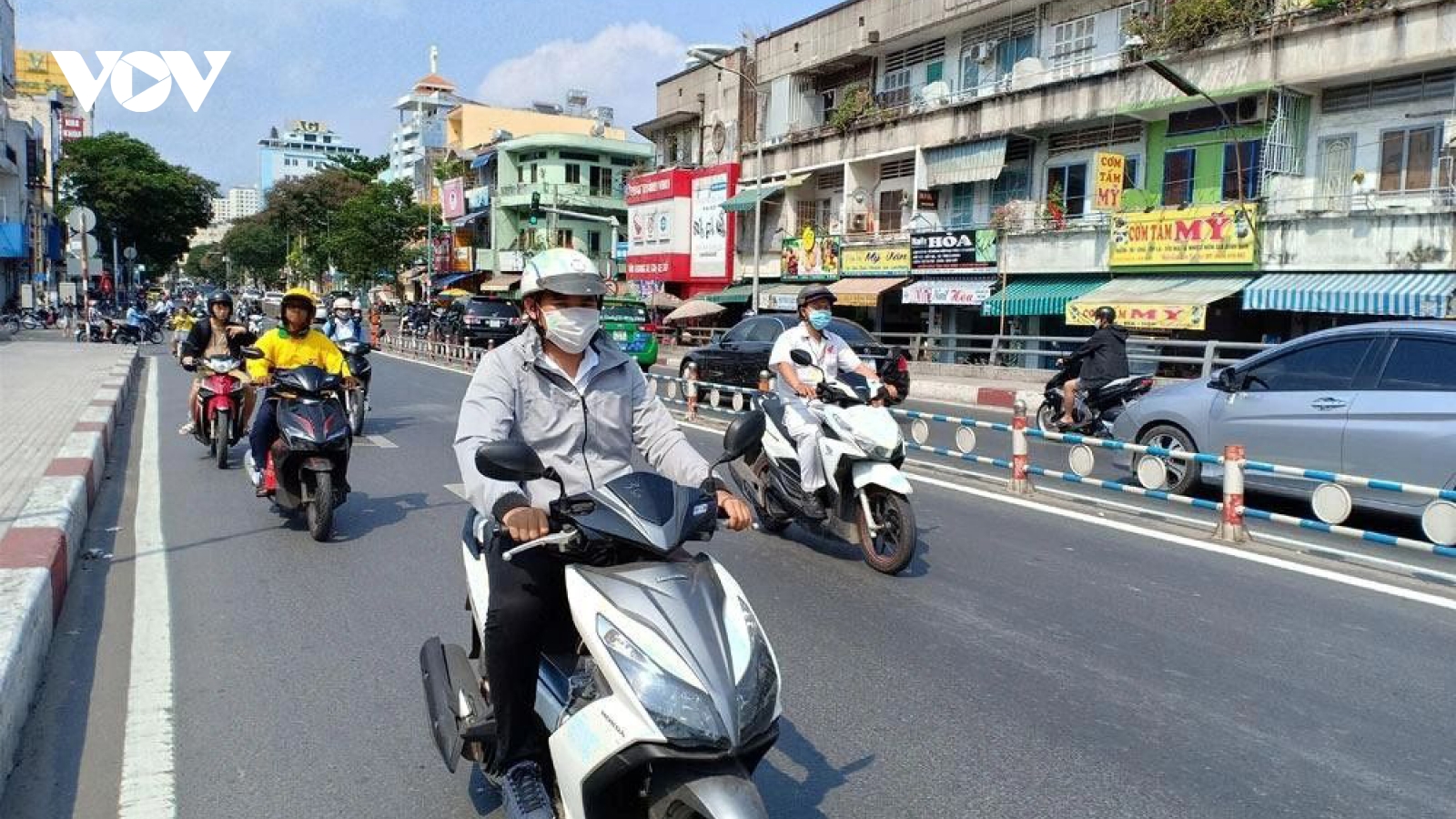
Heatwaves to soon bake northern Vietnam, temperatures to exceed 37°C

VOV.VN - Northern Vietnam is expected to experience only a brief period of mild weather before two widespread heatwaves return and dominate in early April.
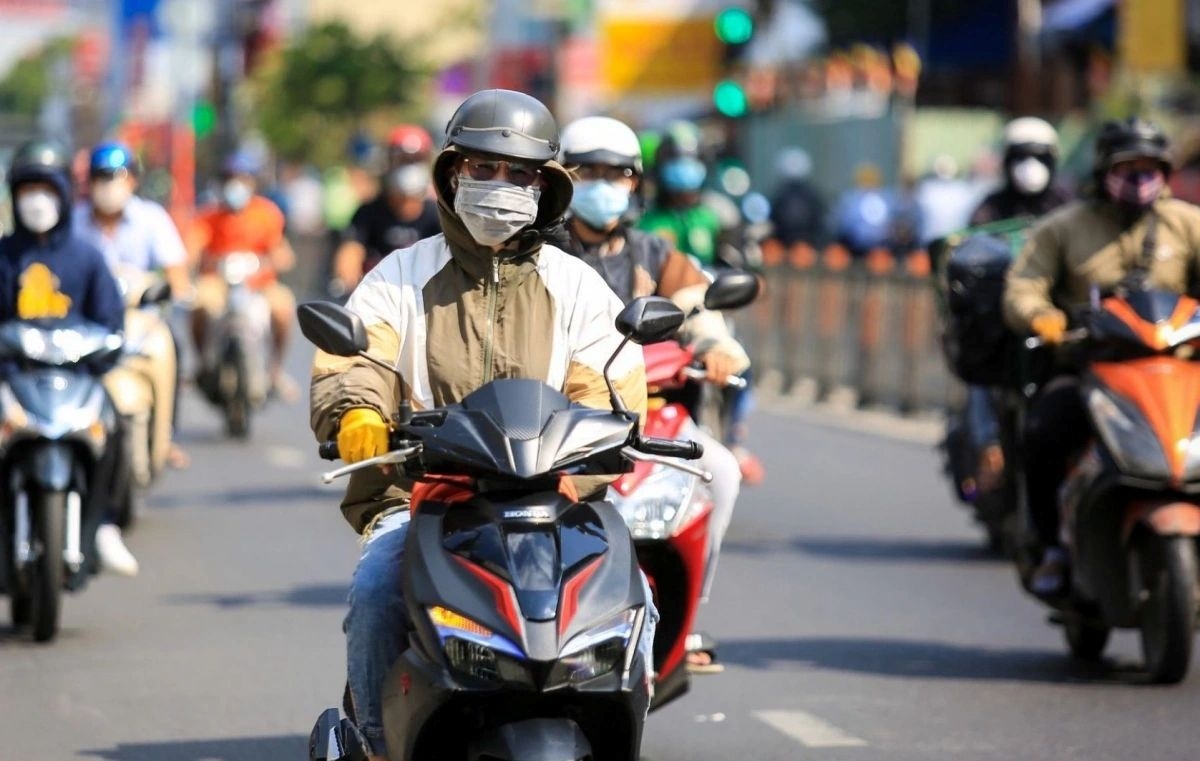
Cooler conditions have been maintained since April 1 due to overnight and early morning thunderstorms. However, this pattern is forecast to be short-lived as hot weather quickly regains control in the coming days.
According to meteorological forecasts, hot and humid conditions will prevail across northern and central regions over the next 10 days, with two notable heatwaves expected.
The first heatwave is forecast to begin around April 3, affecting the northwestern region and extending from Thanh Hoa to Hue in the central region, with daytime temperatures ranging between 35°C and 36°C.
A second, more intense heatwave is expected from April 7 to 10, covering most of northern Vietnam and expanding southward to Quang Ngai. During this period, temperatures are likely to reach 35–37°C, with some areas exceeding 37°C.
Meanwhile, southern Vietnam is entering its peak hot season, significantly increasing the risk of forest fires. In An Giang province, where mountainous terrain and forest coverage are extensive, fire prevention measures have been heightened.
Prolonged heat has dried out vegetation in many forested areas, making them highly susceptible to ignition and rapid fire spread. Authorities have raised the forest fire warning level to Level 5, the highest indicating extreme danger.
Looking ahead to April 2026, heatwaves are anticipated to intensify nationwide, with temperatures forecast to exceed long-term averages. Northern Vietnam and the Thanh Hoa–Hue corridor may see average temperatures rise by 1.5–2.5°C above normal, while other regions could record increases of 0.5–1.5°C.
Although cold air masses may still occur, they are likely to be weak and could trigger localised thunderstorms accompanied by lightning, hail and strong winds, particularly in northern localities.
Rainfall across most regions is expected to be below average for April. Northern Vietnam may see a deficit of 30–60 mm, while central and southern regions could experience shortages of 15–30 mm. The Central Highlands may face a larger deficit of 30–40 mm, increasing the risks of drought and forest fires.
No significant tropical storms or depressions are expected in the East Sea in April, with historical averages at around 0.2 storms and minimal impact on mainland Vietnam.
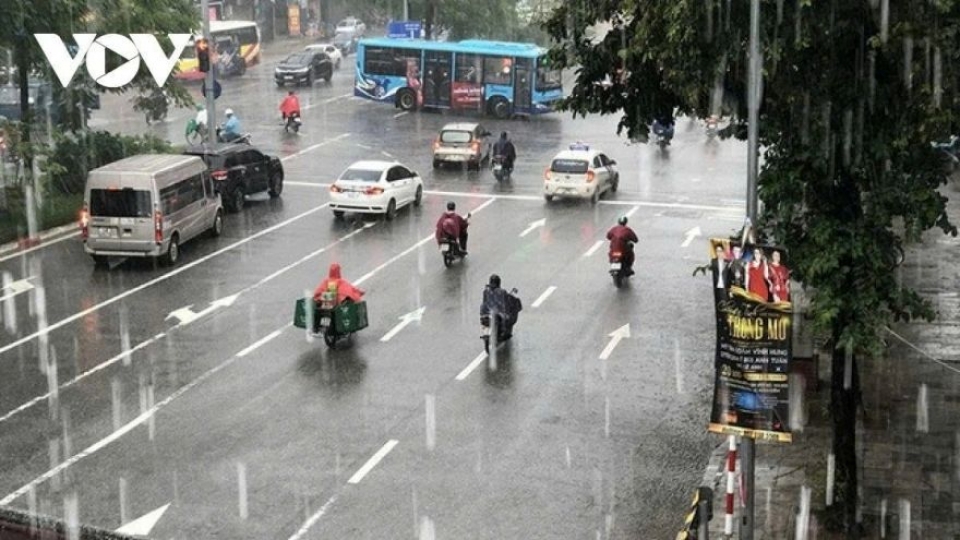
Weak cold air triggers widespread thunderstorms across northern Vietnam
VOV.VN - A weak cold air mass has triggered widespread showers and thunderstorms across northern Vietnam, according to the National Centre for Hydro-Meteorological Forecasting.