Weak cold air triggers widespread thunderstorms across northern Vietnam

VOV.VN - A weak cold air mass has triggered widespread showers and thunderstorms across northern Vietnam, according to the National Centre for Hydro-Meteorological Forecasting.
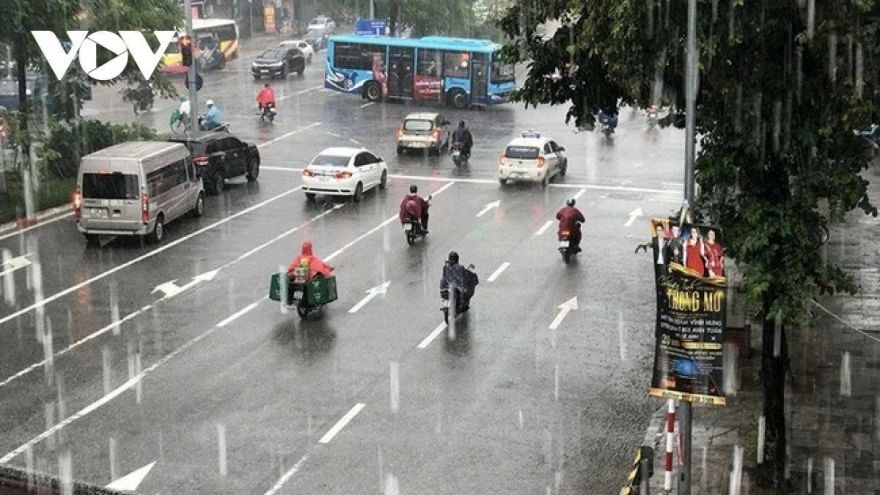
From the night of March 31 to the early hours of April 1, the cold air compressed a low-pressure trough, resulting in scattered to widespread rainfall and thunderstorms across the northern region. Some areas recorded heavy rainfall, with precipitation reaching 106.6 mm in Trung Thanh (Tuyen Quang province), 75.4 mm in Bach Ngoc 2 (Tuyen Quang province), and 68.8 mm in Yen Lap (Phu Tho province) between 7:00 p.m. on March 31 and 3:00 a.m. on April 1.
During the morning of April 1, northern localities, along with Thanh Hoa and Nghe An provinces in the central region, continue to experience scattered showers and thunderstorms, with average rainfall ranging from 10 to 20 mm and localised totals exceeding 40 mm.
Meteorologists warned that thunderstorms may be accompanied by extreme weather phenomena, including whirlwinds, lightning, hail, and strong gusts. Localised heavy rain could also trigger flash floods in small rivers and streams, landslides in mountainous areas, and flooding in low-lying regions.
The influence of the weak cold air has caused temperatures in northern Vietnam to drop by 5–6°C compared to previous days, bringing cooler conditions, with some mountainous areas experiencing chilly weather.
At sea, the Gulf of Tonkin is experiencing northeast winds at force 4–5, along with showers and thunderstorms. There is also a risk of waterspouts and strong gusts, which may affect maritime activities.
Weather conditions vary across the country. While northern and north-central regions are experiencing rain and cooler temperatures, southeastern Vietnam continues to face hot weather, with daytime highs ranging from 35–36°C, and in some areas exceeding 36°C. The heatwave is expected to persist in the coming days. Other regions generally see sunny conditions with occasional localised showers.
Forecasts indicate that from the night of April 2 to around April 10, rainfall in northern Vietnam will gradually decrease, with only isolated showers and thunderstorms in the late afternoon and evening, while daytime conditions will become sunnier. Localised heat is expected to develop as early as April 3, with a broader heatwave likely toward the end of the period.
Earlier, on March 29–30, extreme weather events including heavy rain, thunderstorms, lightning and hail caused significant damage in several northern provinces. According to the Vietnam Disaster and Dyke Management Authority, the disasters left four people dead, nine injured, and more than 6,500 houses damaged or destroyed. Infrastructure and power systems were also affected in provinces such as Lao Cai, Cao Bang, Quang Ninh, Lang Son, Tuyen Quang, Son La, Phu Tho, Hanoi and Thai Nguyen.
Local authorities have since mobilised emergency response efforts, providing assistance to affected families and helping residents repair homes and stabilise their lives.
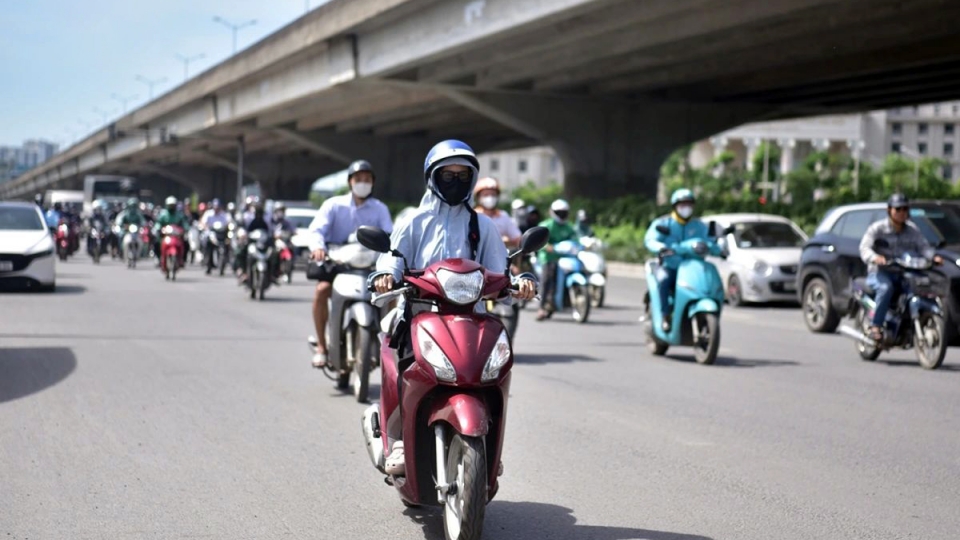
Northern Vietnam to see brief cold spell before first heatwave of 2026
VOV.VN - Northern Vietnam is set to experience a weak cold spell in the coming days before the first heatwave of 2026 arrives early next week, according to the National Centre for Hydro-Meteorological Forecasting.