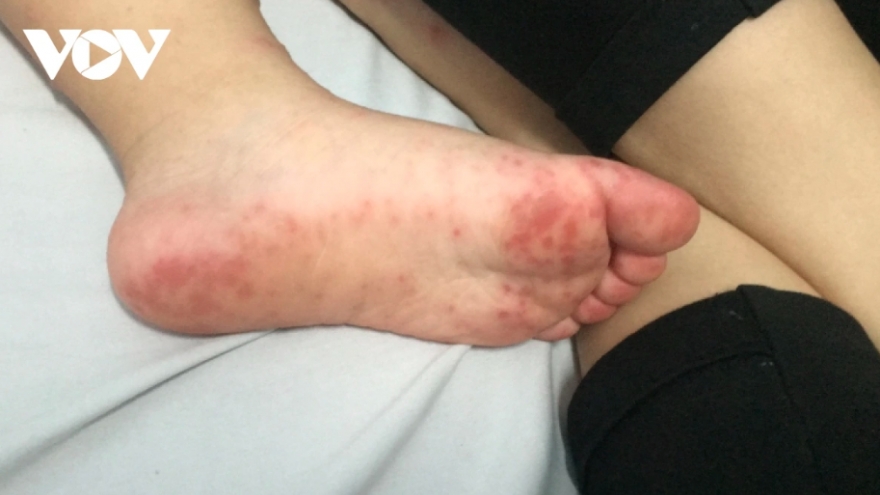
HCM City sees sharp rise in HFMD cases, warns about outbreak risk

VOV.VN - Ho Chi Minh City has seen a surge in hand-foot-mouth disease (HFMD) cases with some affected children experiencing severe symptoms, according to the Ho Chi Minh City Department of Health on December 4.
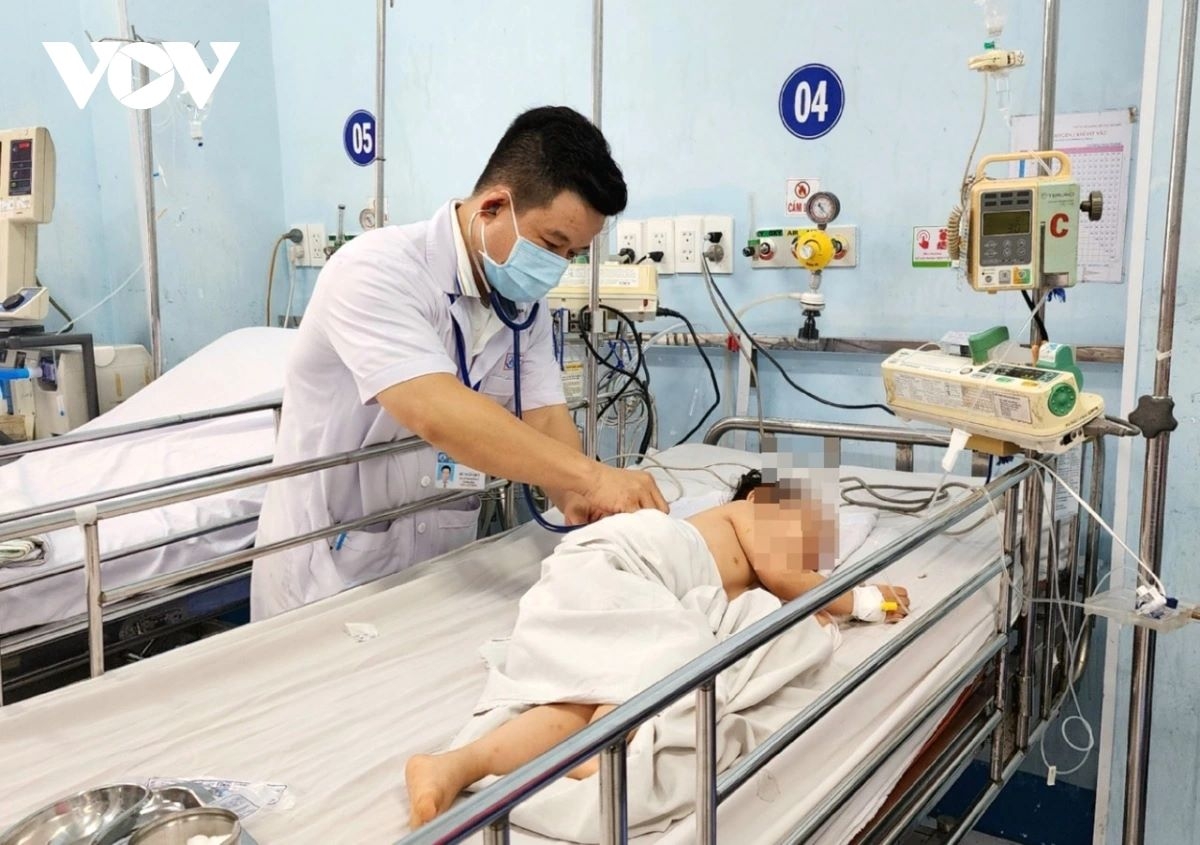
It also warned about the re-emergence of the EV71 strain capable of causing severe complications and heightening the risk of an outbreak.
From November 17 to 23, the city recorded 1,547 HFMD cases, a 15% increase compared to the previous four-week average. Since the beginning of the year, Ho Chi Minh City has logged 32,637 cases, up 64% from the same period in 2024.
The department noted that the case numbers have risen steadily, consistent with seasonal patterns. No deaths have been reported, however, 65 cases are classified as severe.
Notably, from October 13 to 19, the southern metropolis averaged three severe cases per week - higher than in the earlier months of the year. Hospitals across the city received 640 transferred patients from other provinces, including eight severe cases, which account for 70% of all severe cases currently under treatment.
Children’s Hospital 1 revealed that in November, 18 severe HFMD cases were tested, of which 10 were positive for EV71 (56%). The HCM City Center for Disease Control (HCDC) also confirmed that EV71 only began to reappear in early November, coinciding with the rise in overall and severe cases.
According to the municipal Department of Health, EV71 is not a new pathogen, but it can cause neurological, respiratory, and circulatory complications, with rapid clinical deterioration. However, early detection within the first 7–10 days allows timely treatment. Health authorities advise parents to closely monitor warning signs.
Amid rising case numbers, the department requested the education sector to work closely with schools, daycare centres, and kindergartens to strengthen surveillance, maintain hygiene, provide adequate soap and hand sanitisers, and require sick children to stay home to prevent transmission.
HCDC, together with local health centres, was also instructed to tighten outbreak monitoring, update the situation continuously, conduct specialized training, and issue unified response guidelines citywide. Hospitals must prepare to receive and treat severe cases and activate rapid consultations if any patient shows signs of worsening.
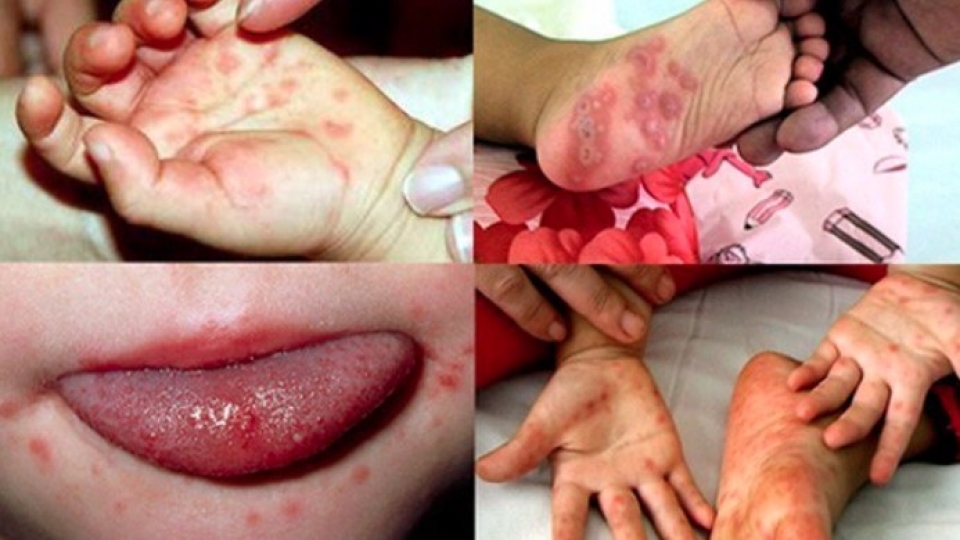
Hanoi records five HFMD outbreaks in one week
VOV.VN - Five HFMD (hand, foot and mouth disease) outbreaks have been reported over the past week in Ba Vi, Nam Tu Liem, Phuc Tho, and Hoai Duc districts, according to the Hanoi Center for Disease Control (CDC).