




HCM City considers restrictions on high-emission vehicles from 2028

VOV.VN - Ho Chi Minh City may introduce a low-emission zone (LEZ) in its city centre and the Thu Thiem Urban Area from January 2028, restricting vehicles that fail to meet emissions standards under a phased plan to promote greener transport.
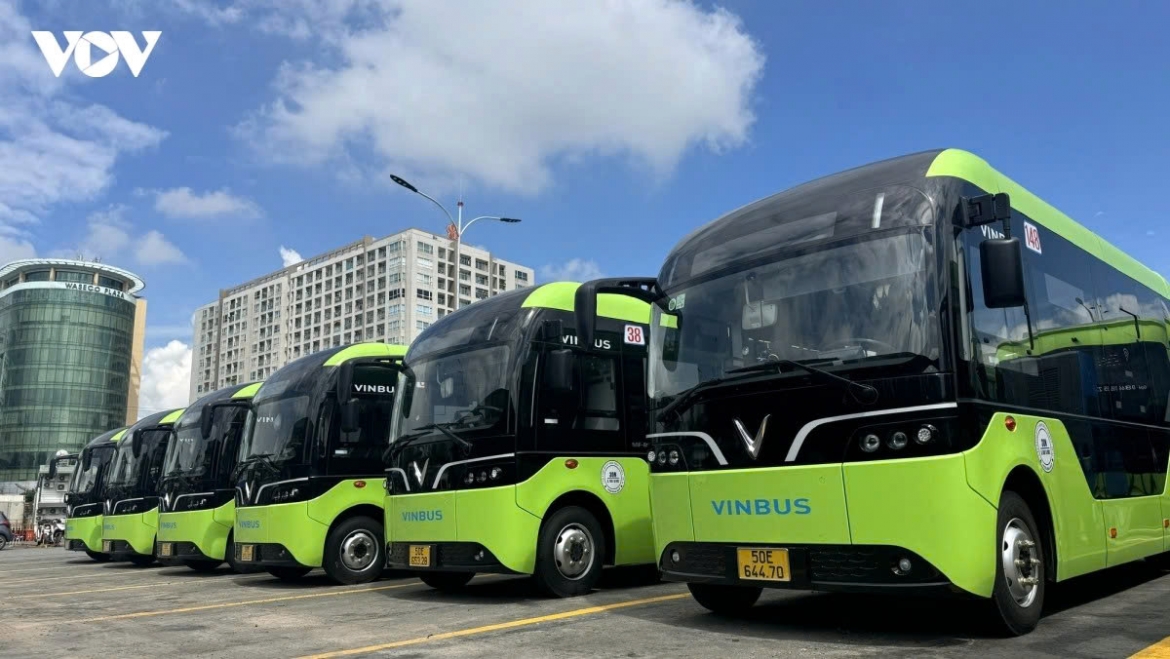
The proposal was put forward by the municipal Department of Construction in a draft resolution on vehicle emissions control, green transport development and the rollout of low-emission zones across the city.
The draft, which is being circulated for public opinions before submission to the municipal People’s Council, envisages a phased implementation, with restrictions linked to emissions standards and the development of public transport, charging stations and emissions monitoring systems. The approach is intended to give residents and businesses access to alternative transport options before tighter requirements take effect.
Central area and Thu Thiem to lead the pilot
From early 2028 through the end of 2029, the first LEZ would cover the existing 930-hectare central area and the Thu Thiem New Urban Area, spanning approximately 15.6 square kilometres.
The proposed zone has been selected partly because public transport is expected to cover more than 95% of its population within a 500-metre radius. It is also served by Metro Line 1 and is considered suitable for the installation of traffic signs and camera-based monitoring systems, according to the draft.
From January 1, 2030, the city plans to expand the LEZ to a second area within Ring Road 2. Implementation would depend on the results of the pilot, infrastructure readiness and the capacity of public transport to meet travel demand.
The expanded zone would be subject to a requirement that public transport cover more than 85% of the population within a 500-metre radius.
Public transport and clean-energy vehicles
The proposed restrictions form part of a broader plan to develop greener transport and reduce vehicle emissions. By 2030, the city aims to have seven urban railway lines in operation, with a combined length of around 255 kilometres, and a network of 300 bus routes. It also plans to develop 11 park-and-ride facilities and expand shared bicycles, electric bicycles and electric motorbikes.
The draft sets out a longer-term transition to clean-energy vehicles. From January 1, 2027, intra-provincial buses operating in the city would be required to use clean energy. Newly purchased or replacement cars and motorbikes used by state agencies and public service units would also have to run on clean energy.
From 2030, taxis and app-based motorbike services transporting passengers or goods would be required to use clean energy. The city aims for all road vehicles operating within its territory, including specialised vehicles, to use clean energy by 2045.
The plan also proposes financial support to help residents and businesses switch to cleaner vehicles, including assistance with purchasing clean-energy vehicles and covering certain related costs. Other measures include support for initial motorbike emissions inspections and the provision of space for charging stations and green-transport facilities.
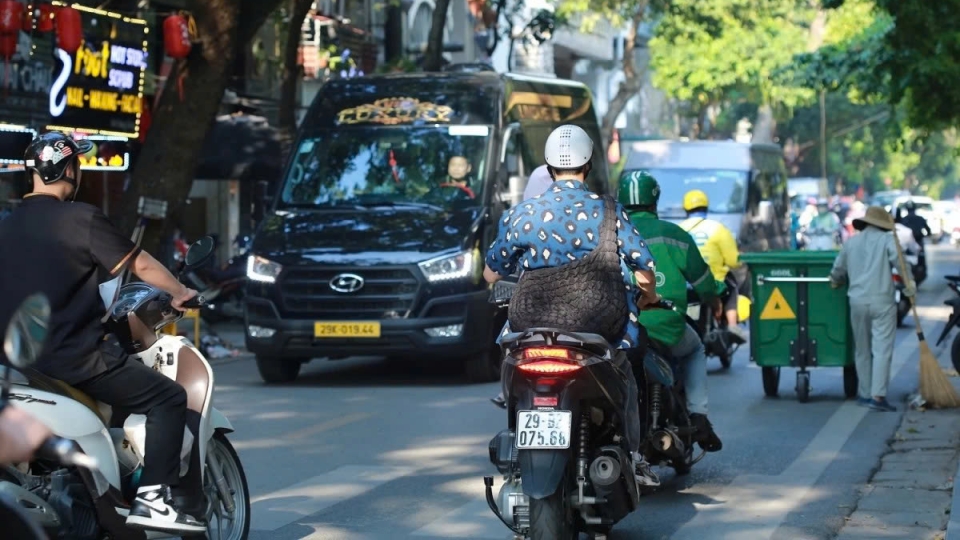
Hanoi postpones low-emission zone proposal to refine policy framework
VOV.VN - Hanoi has decided to delay approval of the proposed low-emission zone project in the Ring Road 1 area in order to further refine the policy framework and ensure greater feasibility and public consensus before official implementation.


