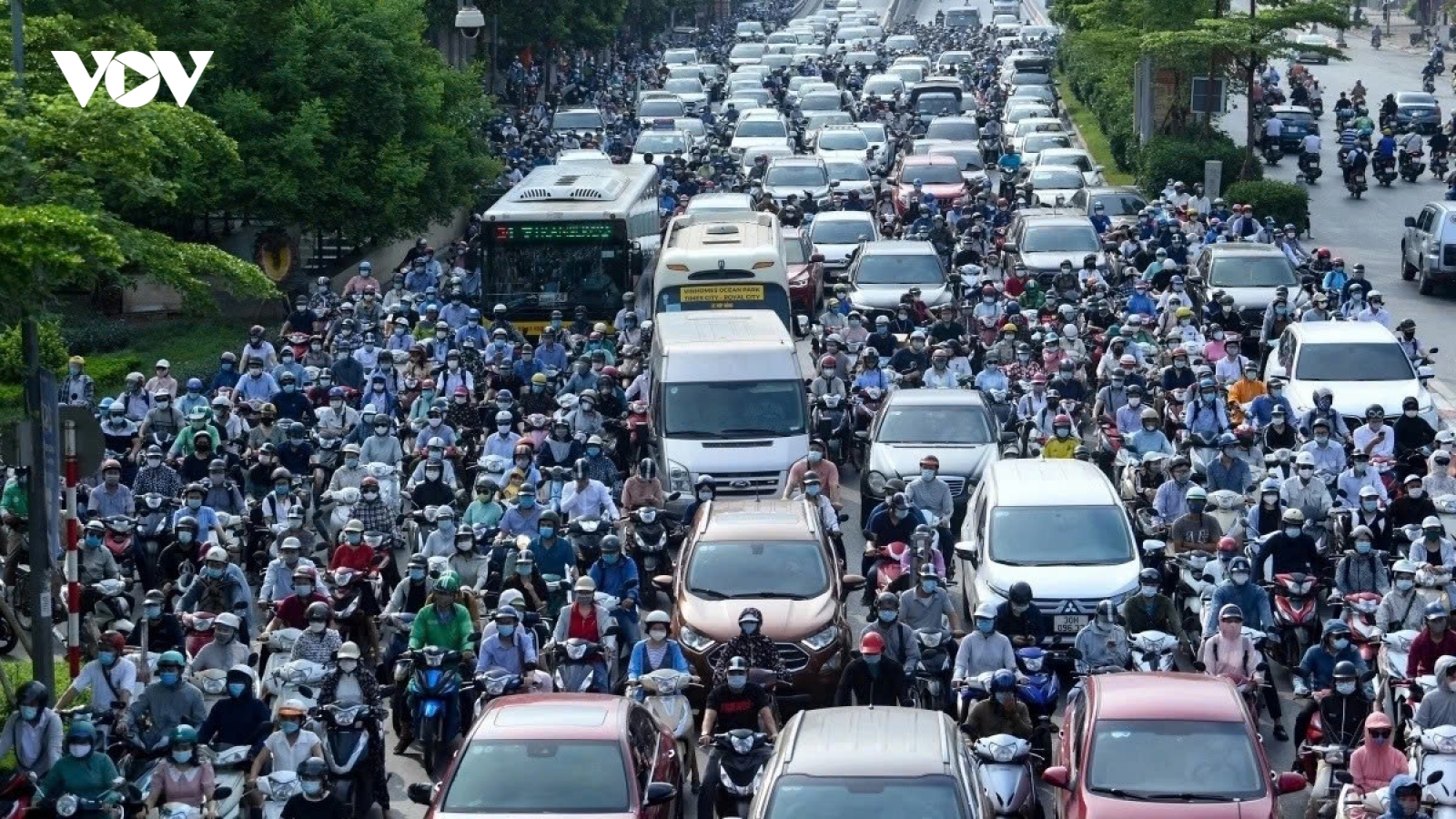
Hanoi postpones low-emission zone proposal to refine policy framework

VOV.VN - Hanoi has decided to delay approval of the proposed low-emission zone project in the Ring Road 1 area in order to further refine the policy framework and ensure greater feasibility and public consensus before official implementation.
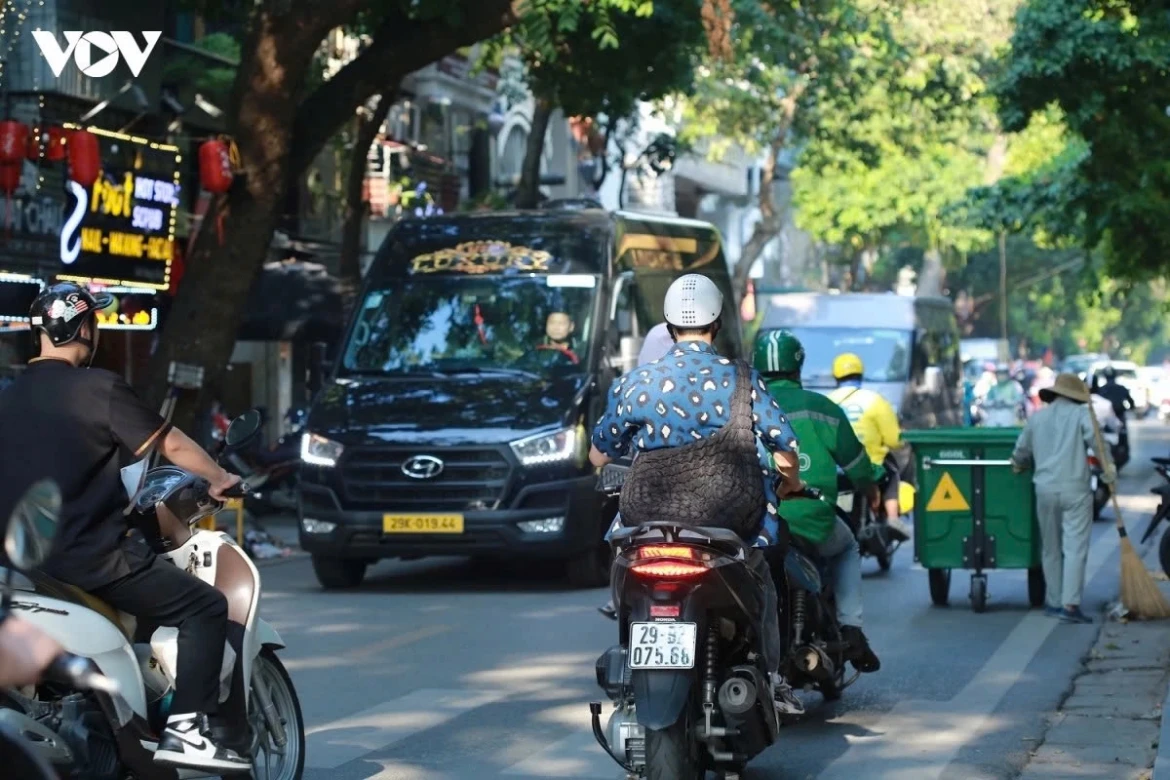
The decision was announced by the Hanoi People’s Council during the closing session of its third meeting on June 2.
Under the plan, the city did not immediately approve two draft resolutions related to support policies for vehicle transition and the establishment of low-emission zones. Instead, the Hanoi People’s Committee was asked to continue reviewing and revising the proposals based on feedback from stakeholders.
Standing Vice Chairman of the Hanoi People’s Council Tran The Cuong said the policies would have significant impacts on daily life, transportation and economic activities, making careful assessment and broader consultation necessary.
He stressed that postponing the approval timeline would help ensure the policies are more practical and equitable for residents during the transition toward greener transportation and lower emissions.
According to the draft proposal, the low-emission zone in the Ring Road 1 area is designed as an environmental management tool built upon the city’s existing urban planning framework rather than a separate new master plan.
The initial phase is expected to run from July 1 to December 31, 2026, before expanding in scope and tightening compliance requirements in 2027. The system is projected to operate more fully from 2030 in connection with Hanoi’s smart urban monitoring and management network.
At the same session, the Hanoi People’s Council approved 22 resolutions, including 16 resolutions related to implementation of the revised Capital Law, focusing on innovation, digital transformation and controlled pilot mechanisms for new technologies, services and business models.
Chairwoman of the Hanoi People’s Council Phung Thi Hong Ha urged the city administration and relevant agencies to quickly implement the newly adopted resolutions, clearly assign responsibilities and timelines, and strengthen oversight to ensure policies are put into practice effectively without creating legal gaps when the revised Capital Law takes effect on July 1.
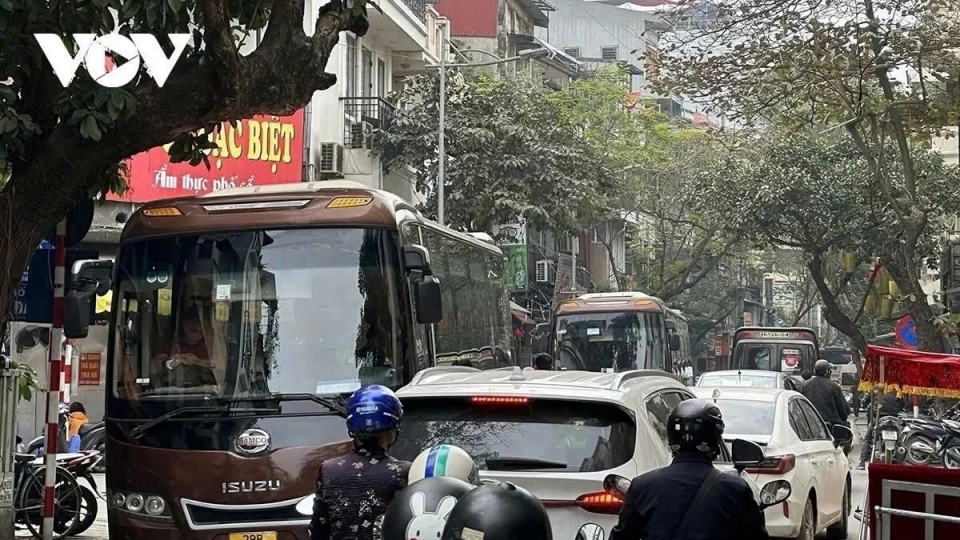
Hanoi has yet to approve low-emission zone proposal
VOV.VN - Authorities in Hanoi have yet to approve a proposal to pilot a low-emission zone in the city’s central Hoan Kiem area, including previously discussed restrictions on petrol-powered motorbikes.