Vietnam seeks deeper cooperation with Australia, India in training, green transition

VOV.VN - Vietnam has proposed expanding and deepening cooperation with Australia and India in leadership training, policy research and green transition, as part of efforts to strengthen strategic partnerships and support long-term development goals.
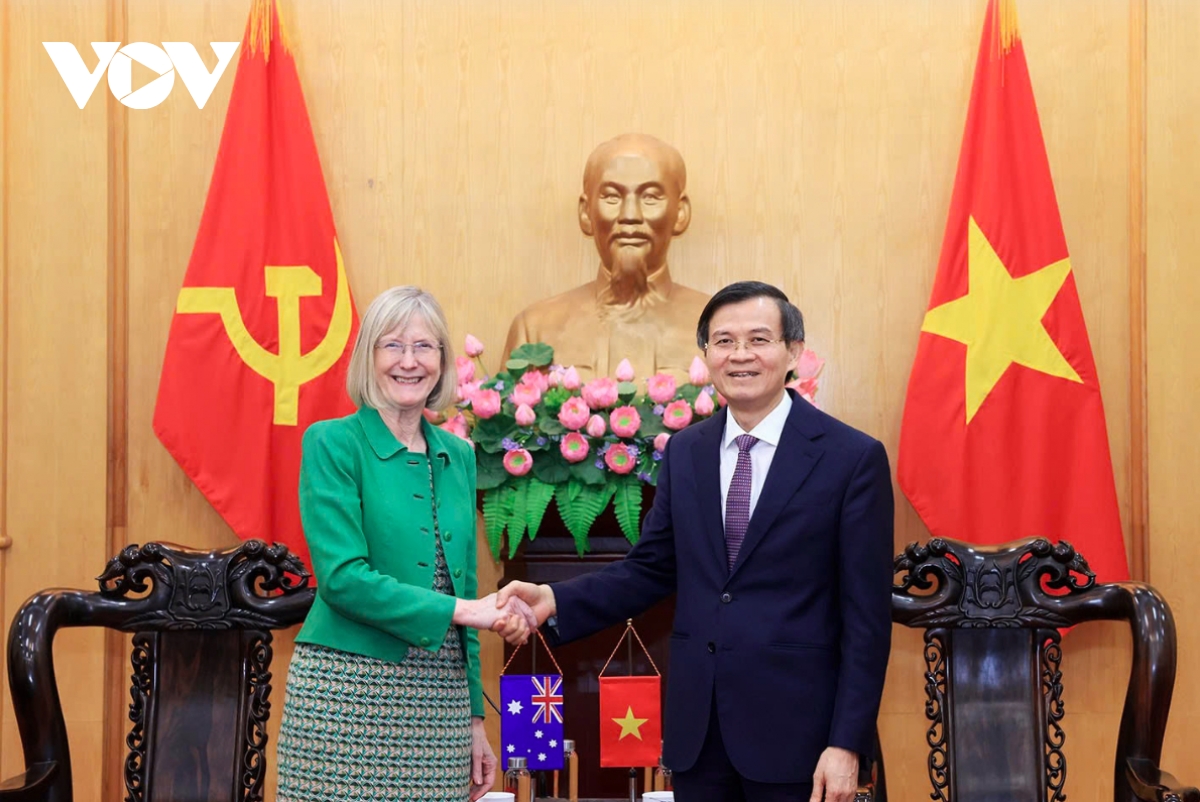
Doan Minh Huan, director of the Ho Chi Minh National Academy of Politics, made the proposal during his separate meetings with Australian Ambassador to Vietnam Gillian Bird and Indian Ambassador to Vietnam Tshering W. Sherpa, in Hanoi on April 1.
In his meeting with the Australian ambassador, Huan highlighted the strong momentum of the Vietnam–Australia Comprehensive Strategic Partnership, stressing the need to further deepen cooperation in a practical and effective manner amid rapid global changes driven by geopolitics, digital transformation and green transition.
He expressed Vietnam’s desire for Australia to continue supporting leadership training programmes, identifying this as a key pillar of bilateral cooperation. He also expected to strengthen the role of the Vietnam–Australia Centre at the academy as a hub for knowledge exchange, joint research and academic collaboration.
Notably, he proposed expanding cooperation into areas aligned with Vietnam’s development priorities, including green transition linked to sustainable growth, urban governance, creative economy development, heritage preservation and enhancing capacity to address emerging social security challenges in the digital era.
Huan also emphasised the importance of academic diplomacy, encouraging stronger connections among scholars, research institutions and policy experts from both countries to facilitate knowledge sharing and evidence-based policymaking.
For her part, Ambassador Bird affirmed that Australia considers Vietnam an important partner and highly values the country’s approach in balancing economic development with green transition and social inclusiveness.
The Ambassador noted that Australia is committed to implementing Phase II of the 2027–2035 cooperation programme, with key pillars including digital transformation, gender equality, green transition, and human rights. In addition, Australia expressed its interest in cooperating with the Academy in developing the Provincial Governance and Public Administration Performance Index (PAPI).
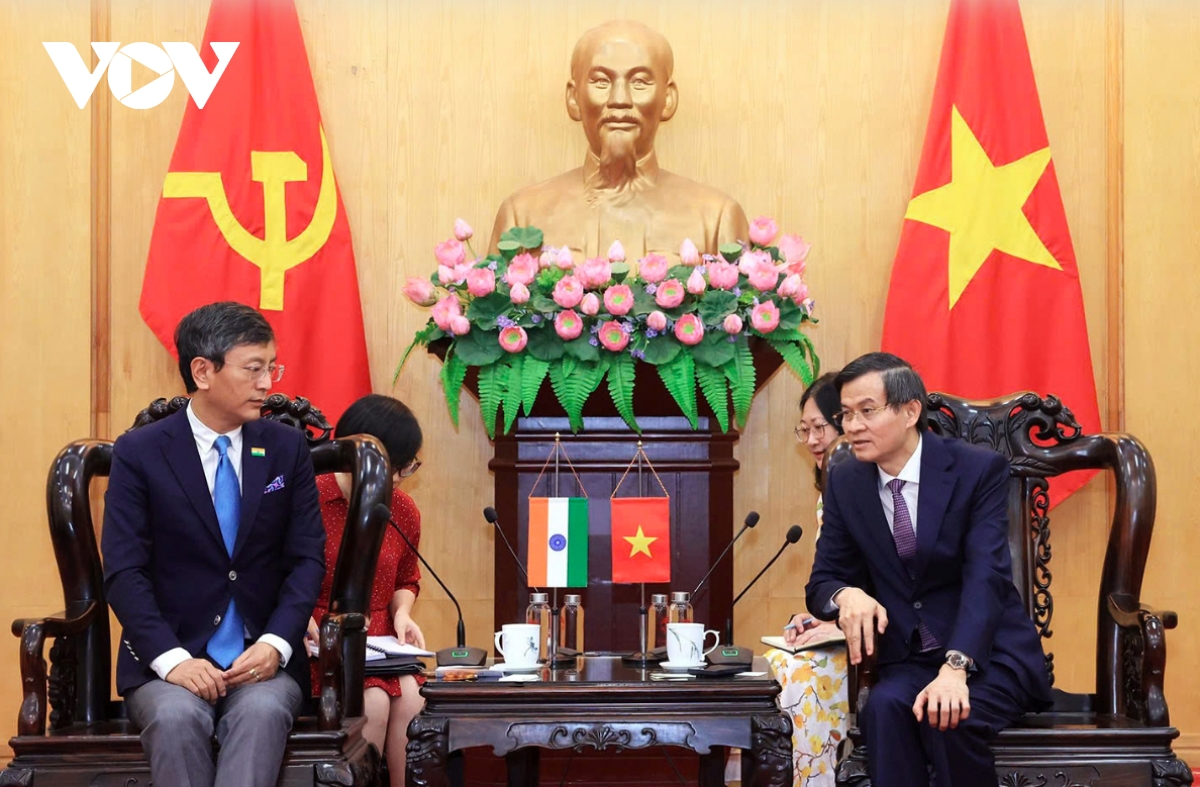
Meeting with the Indian ambassador the same day, the academy’s leader reaffirmed Vietnam’s high regard for the long-standing traditional friendship and strong political trust between the two countries, noting significant potential for further cooperation as they approach the 10th anniversary of their Comprehensive Strategic Partnership.
He called on India to enhance support for training and capacity building, particularly for senior leadership and management officials. Priority areas identified include India’s strengths in strategic autonomy, science and technology, cultural and creative industries, and heritage conservation.
Huan also proposed maximising the role of the India Studies Centre at the academy as a platform for advancing joint research, academic exchanges, policy dialogue and investment connectivity.
In addition, he expressed Vietnam’s interest in promoting strategic dialogues on policy and theoretical issues between the Communist Party of Vietnam and its Indian counterpart, aiming to strengthen political foundations and mutual understanding.
Ambassador Sherpa affirmed that India always regards Vietnam as a close and trusted friend, noting that both countries are preparing a range of activities to mark the 10th anniversary of their Comprehensive Strategic Partnership. He expressed strong support for the proposals put forward by the academy’s leader.
On this occasion, Ambassador Sherpa proposed the signing of a memorandum of understanding between Nalanda University and the Ho Chi Minh National Academy of Politics during the upcoming high-level visit by the academy’s leader. He further affirmed India’s readiness to coordinate with the academy in organising seminars on Buddhist culture.
Vietnam and Singapore boost cooperation in strategic-level leadership training
VOV.VN - Vietnam and Singapore are actively strengthening cooperation in training and developing strategic-level officials, as part of broader efforts to deepen their Comprehensive Strategic Partnership.