Construction Minister sets 2026 agenda for high-quality infrastructure growth

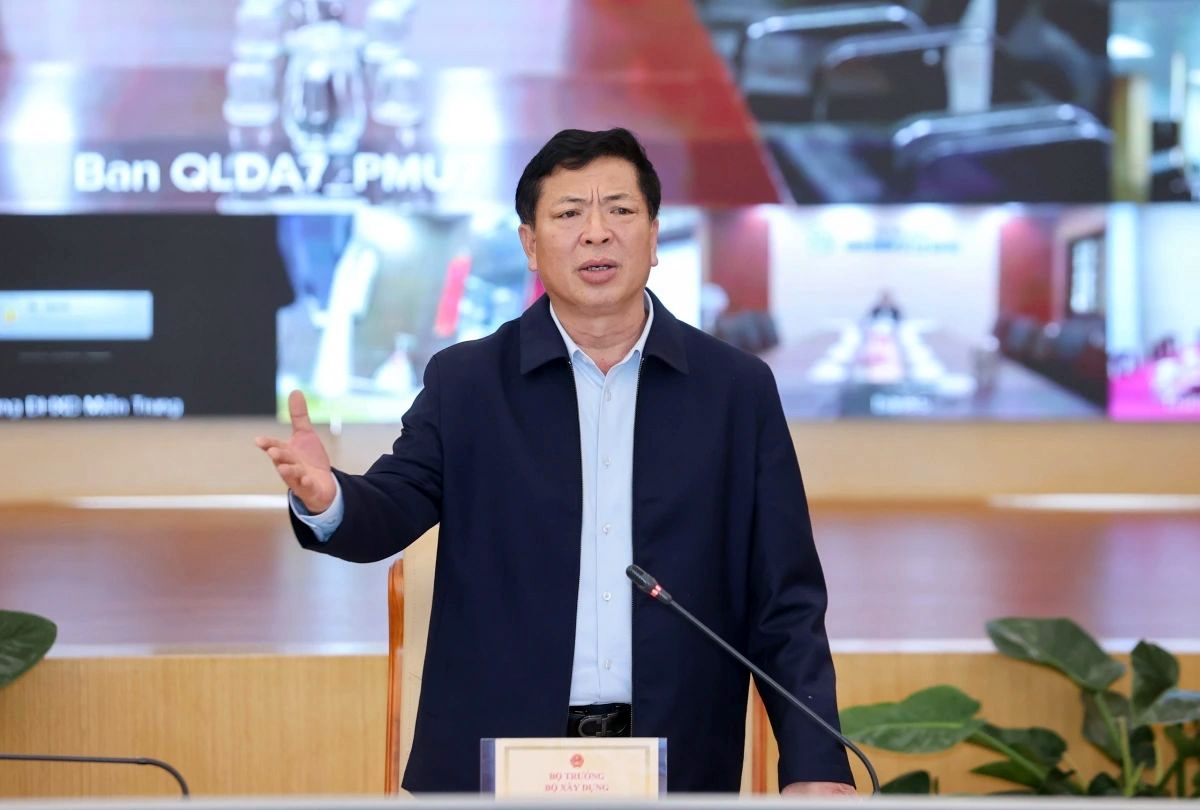
VOV.VN - Minister of Construction Tran Hong Minh has emphasised that infrastructure must be judged by its real-world impact on citizens and enterprises rather than by its size or cost, as Vietnam accelerates efforts to develop modern, synchronised systems that will underpin sustainable growth in 2026 and beyond.
Speaking to the press recently, Minh reaffirmed that the construction sector’s core mission is to serve people and enterprises, ensuring that infrastructure, housing and real estate policies translate into improved living standards, lower costs and greater economic competitiveness.
Infrastructure as a growth enabler
Under the leadership of the Party and the Government, the construction sector recorded growth of over 9% in 2025, contributing nearly 17% of GDP. Expressway length reached 3,345 km (three times the 2020 figure), while seaport and airport capacities expanded significantly, helping reduce logistics costs to around 17-18% of GDP.
However, the Minister stressed that these figures only matter if infrastructure truly enhances connectivity, improves urban living conditions and supports business operations.
Urbanisation has reached about 45%, access to clean water in cities has expanded to 94%, and social housing development has accelerated nationwide. Yet, disparities in regional connectivity, congestion in major cities and uneven planning remain pressing concerns.
Addressing bottlenecks to sustain high growth
As Vietnam targets high and sustainable growth in 2026, the sector faces mounting pressure to deliver large-scale projects on schedule while ensuring quality and transparency.
Infrastructure gaps between regions, limited private-sector participation, fragmented investment resources and slow digital transformation are among the key bottlenecks. Climate adaptation and green transition commitments are also imposing new standards on planning and construction.
According to the Minister, overcoming these challenges requires institutional reform, stronger decentralisation paired with accountability, and a transparent real estate market that curbs speculation and restores confidence.
2026 priorities: quality, transparency and inclusion
Looking ahead, Minh said, the Ministry of Construction would focus on refining legal frameworks for housing and real estate, expanding supply across segments, particularly social housing, and enhancing market transparency through a national real estate information system.
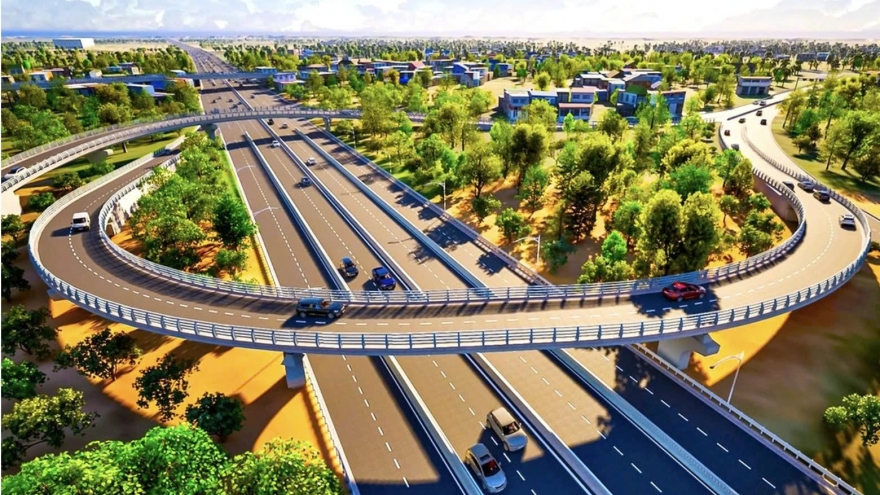
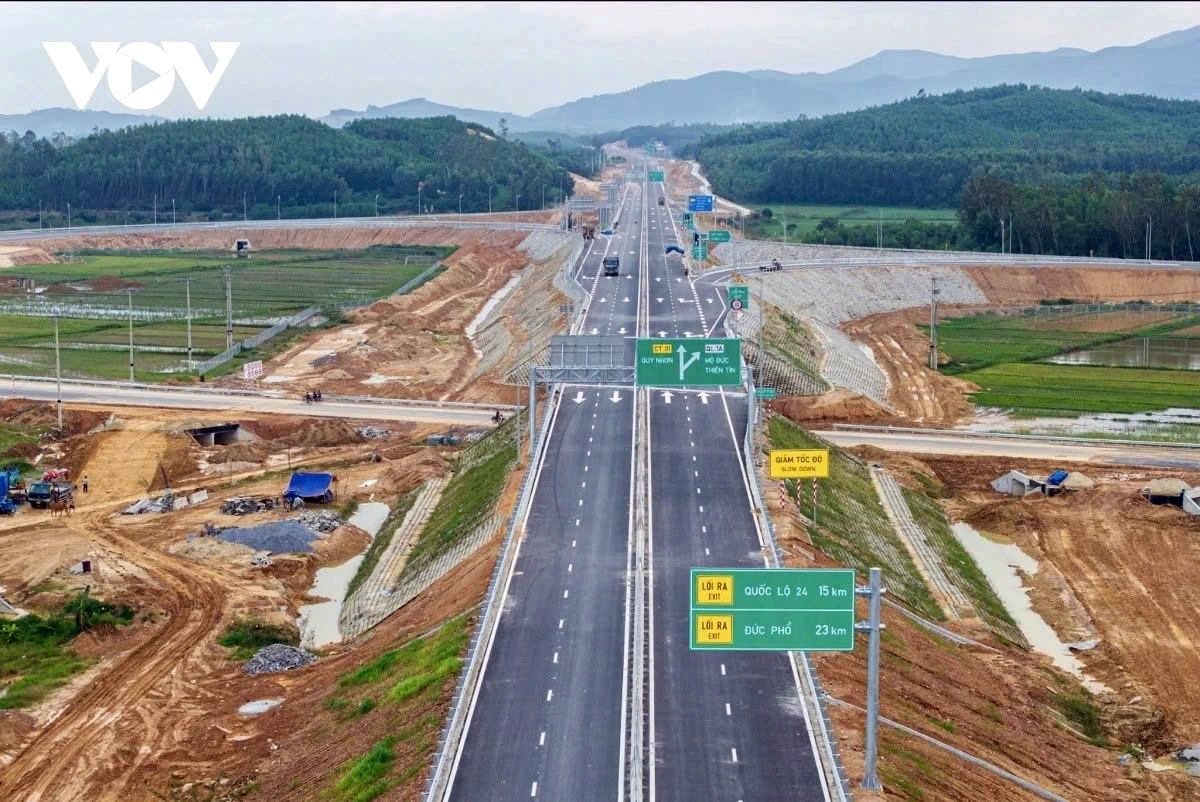
Strategic infrastructure targets include expanding the expressway network to approximately 5,000 km, advancing priority railway projects, boosting seaport and airport capacities, and accelerating the completion of one million social housing units.
The 2025 merger of the former Ministry of Transport with the Ministry of Construction marks a new phase of integrated infrastructure governance, aimed at greater efficiency and coordination.
“The real benchmark of our work is whether citizens enjoy better living conditions and businesses operate more efficiently,” said the minister. “Infrastructure must expand Vietnam’s development space in a way that is inclusive, sustainable and resilient.”

Toward 5,000km of expressways and a new development era
VOV.VN - After surpassing the milestone of more than 3,000 kilometres of completed expressways in 2025, the construction sector is speeding up key projects to move toward the target of around 5,000 kilometres of expressways nationwide by 2030, thus expanding development space and promoting growth drivers.