Toward 5,000km of expressways and a new development era

VOV.VN - After surpassing the milestone of more than 3,000 kilometres of completed expressways in 2025, the construction sector is speeding up key projects to move toward the target of around 5,000 kilometres of expressways nationwide by 2030, thus expanding development space and promoting growth drivers.

Rapid development of transport infrastructure under the guiding principle of “going one step ahead” has clearly changed the country’s landscape, narrowing development gaps between regions, better meeting travel demand and enhancing faster, safer economic and social connectivity.
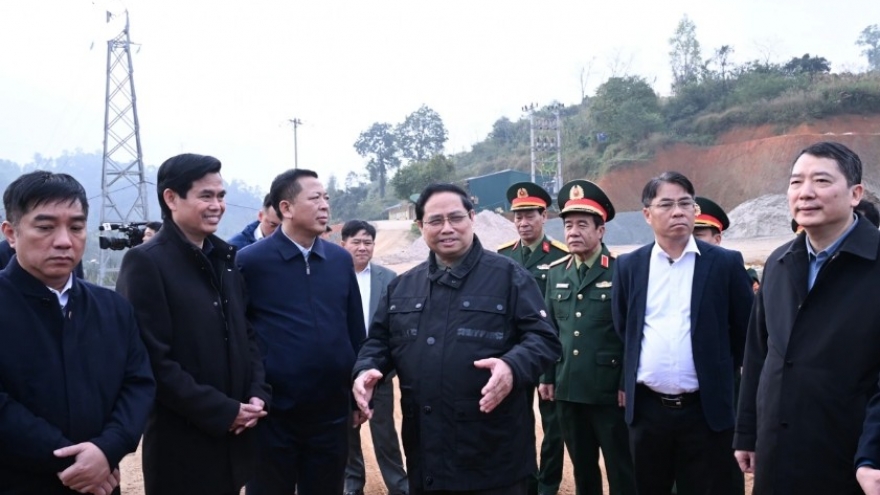
In particular, expressway projects have been carried out in the spirit of “build bridges across rivers, carve through mountains, fill plains with earth and sand,” saving investment costs and opening new development space, in line with directives from Prime Minister Pham Minh Chinh.
Expressway network outlook over the next five years
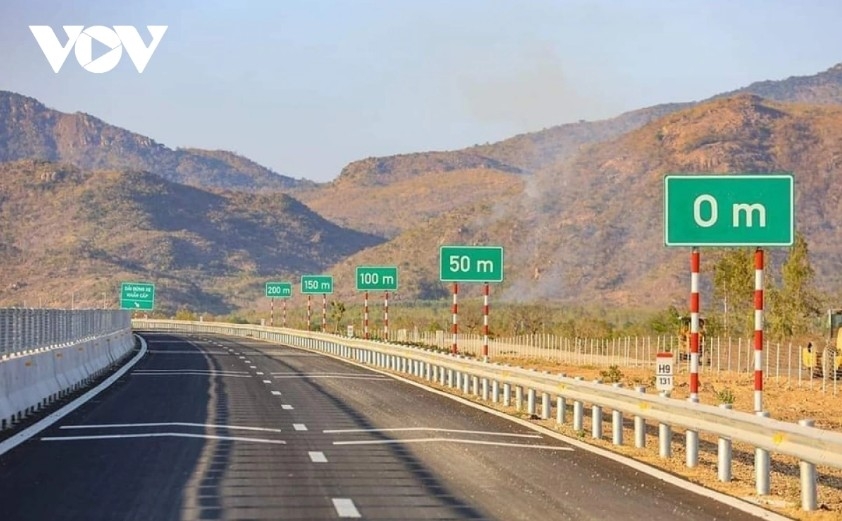
According to the Ministry of Construction, from 2004 to 2020 the country had only 1,163 kilometres of expressways. In the five years from 2021 to 2025, an additional 1,313 kilometres were completed and put into operation, nearly equal to the total built over the previous two decades. This marks the fastest period of expressway development in Vietnam’s transport sector.
The national road network plan for 2021-2030, with a vision to 2050, approved by the Prime Minister, sets out 41 expressway routes with a total length of around 9,000 kilometres, connecting political and economic centres, growth regions and international gateways. The plan provides a long-term foundation for developing coordinated and modern transport infrastructure.
By the end of 2025, around 3,803 kilometres of expressways are expected to be finalized, including 3,345 kilometres of main routes and 458 kilometres of interchanges and access roads. During 2026-2030, another 1,052 kilometres from projects already launched or under construction are projected for completion, including key routes such as Huu Nghi-Chi Lang, Gia Nghia-Chon Thanh, Chau Doc-Can Tho-Soc Trang, Ninh Binh-Hai Phong and Hanoi Ring Road 4.
In addition, around 460 kilometres of expressways under projects in preparation and already allocated capital are set to begin implementation, including Quy Nhon-Pleiku, Dau Giay-Tan Phu, Ho Chi Minh City-Moc Bai and Ho Chi Minh City Ring Road 4.
Other urgent and important projects totalling about 759 kilometres are under study to mobilise resources for development.
If progress targets are met, total expressway length nationwide could reach around 5,561 kilometres by 2030.
Tran Minh Phuong, Director General of the Planning and Finance Department under the Ministry of Construction, said that with the 3,000-kilometre target to be achieved by 2025 and more than 2,000 kilometres under implementation or preparation, the goal of 5,000 kilometres by 2030 is achievable.
The network will form a backbone road system linking the North-South axis, East-West corridors, seaports, international border gates and major airports, contributing to the goal of making Vietnam a developing country with modern industry and upper-middle income status by 2030. The expressway sector alone is estimated to require around VND160.744 trillion for 10 projects to meet this objective.
Laying the groundwork for the 5,000km target
Developing synchronous and modern infrastructure continues to be identified as a foundation for expanding development space, generating spillover momentum and helping the country enter a period of rapid and sustainable growth.
Cao Dang Hoat, Chairman of the Members’ Council of Dinh An Group Joint Stock Company, said the workload in the coming term is expected to be four to five times higher than in the previous period, requiring transport construction enterprises to expand scale and strengthen capacity. Contractors seek a more favourable working environment, particularly in workforce training, removing bottlenecks related to materials supply, and selecting contractors with sufficient strength and experience.
Le Quoc Dung, Director of Project Management Unit 7 under the Ministry of Construction, said that achieving accelerated progress requires selecting capable contractors, timely approval of designs and cost estimates in line with construction realities, scientific organisation of construction, and flexible acceptance and payment procedures to ensure capital flows quickly to contractors.
Tran Chung, Chairman of the Vietnam Road Transport Infrastructure Investors Association, said that meeting the 5,000-kilometre target by 2030 will require breakthrough mechanisms and policies, coordinated action across the political system and close coordination between the State and enterprises, along with stronger application of science and technology. Experience from recent projects shows that when local authorities act decisively, bottlenecks in land clearance can be resolved quickly.
Breakthroughs in mobilising investment resources
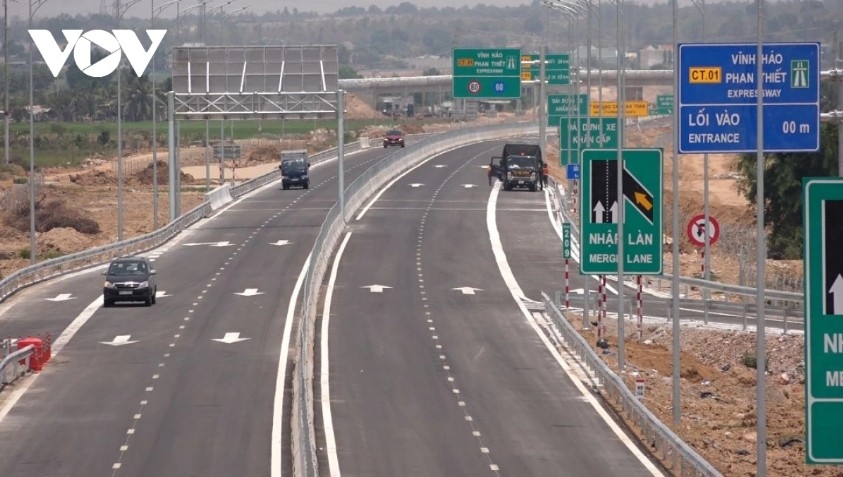
Nguyen The Minh, Deputy Director General of the Construction Economics and Investment Management Department under the Ministry of Construction, said priority should be given to projects that strengthen regional connectivity and play a driving role in development. Once completed, the expressway network will connect the country from north to south, from mountainous areas to plains and coastal regions, thereby forming strategic development corridors and spreading growth momentum nationwide.
Alongside State budget funding, mobilising private capital through public-private partnership (PPP) models is considered an important solution. Localities need to review organisational structures, accelerate land clearance and licensing of material mines, while ministries, investors and contractors must renew approaches and ensure the principle of “six clear responsibilities”: clear people, clear tasks, clear timelines, clear accountability, clear outputs and clear authority.
Phung Duc Dung, Head of the Public-Private Investment Management Division under the Department for Roads of Vietnam, said amendments to the PPP Law in 2024-2025 have created an important legal basis to deal with difficulties in BOT projects, mobilise resources and strengthen confidence among businesses and credit institutions.
This is regarded as one of the key solutions contributing to the 5,000-kilometre expressway target by 2030.
Government leader call for greater efforts to finalize 5,000km of expressways by 2030
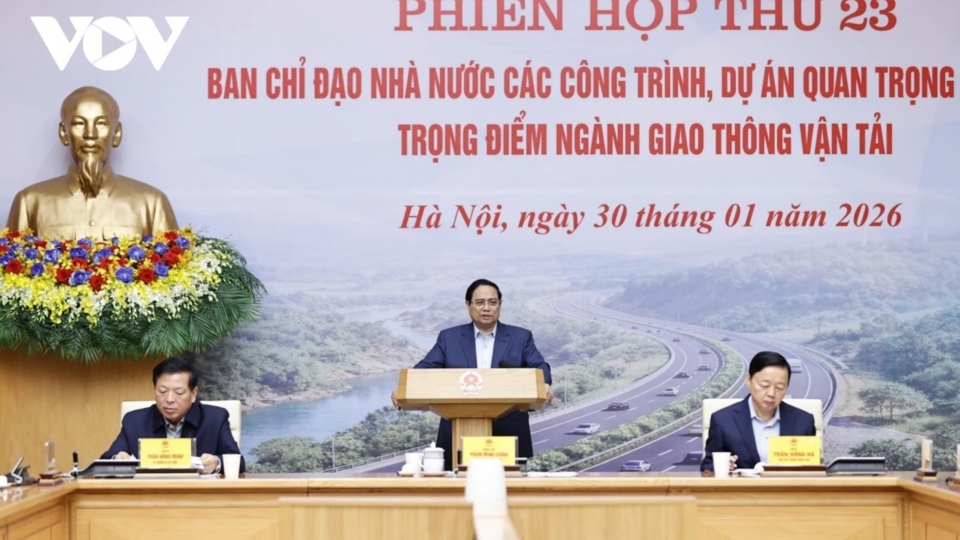
VOV.VN - Prime Minister Pham Minh Chinh, head of the State Steering Committee for key national transport projects, chaired the committee’s 23rd meeting at the Government Headquarters in Hanoi on January 30.