


Air quality worsens in several northern provinces and cities

VOV.VN - Air quality across many parts of Vietnam is expected to deteriorate, with several northern provinces and cities forecast to record poor AQI levels that could affect sensitive groups, according to the Northern Center for Environmental Monitoring (NCEM).
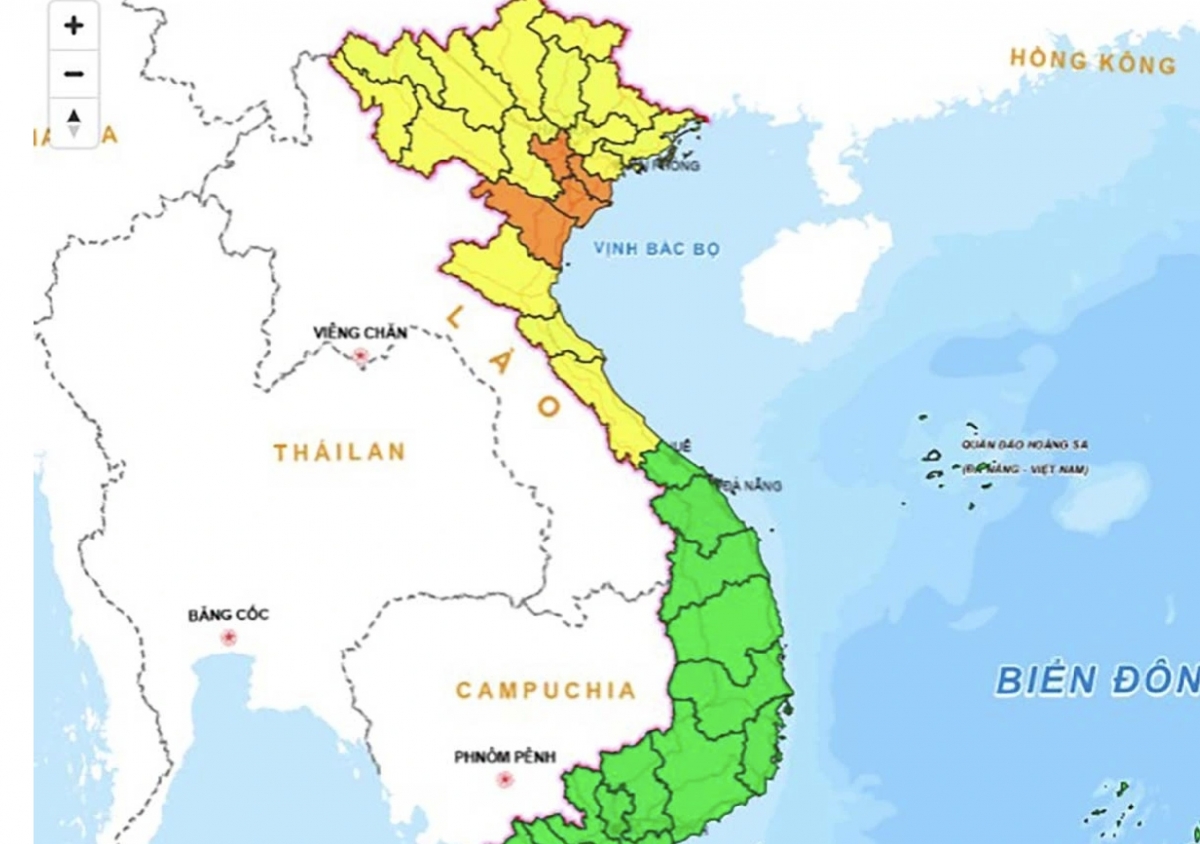
On May 7, most localities nationwide recorded good air quality, while several areas remained at moderate levels. Phu Tho was the only province to report poor AQI levels, with its Air Quality Index (AQI) reaching 111.
Conditions are expected to worsen on May 8. Nationwide, 15 localities are forecast to maintain good air quality, while another 15 are expected to remain at moderate levels.
Ninh Binh is forecast to record the highest pollution level, with an AQI of 108. Hung Yen, Thanh Hoa and Hanoi are also expected to report AQI readings of 106, classified as poor.
According to Associate Professor and Dr Hoang Anh Le, hazy and polluted air in many areas results from a combination of unfavourable weather conditions and large emissions from residential activities, transport and production.
He said northern Vietnam typically enters an “air pollution season” from around October to April each year. During this period, weather conditions such as temperature inversion, high humidity and humid conditions prevent pollutants from dispersing into higher layers of the atmosphere, causing air quality to deteriorate significantly.
“Weather conditions make it difficult for polluted air to disperse, allowing fine dust and toxic substances to accumulate in the atmosphere,” Le went on.
According to the environmental expert, air quality usually improves from May to June as summer approaches. Higher temperatures and changing wind patterns help strengthen vertical air circulation, creating conditions for pollutants to disperse and improving air quality.
However, he stressed that weather conditions only play a supporting role, while long-term improvements in air quality still depend mainly on controlling emission sources.
“Air pollution will only improve if emissions decline or do not continue rising. If traffic, industrial production and straw burning continue, air pollution will remain severe,” Le added.
Under Vietnam’s air quality classification system, AQI readings between 0 and 50 are considered good and pose no health risks. AQI levels of 51-100 are classified as moderate and may affect sensitive groups to some extent.
When AQI levels range from 101 to 150, air quality is classified as poor, and elderly people, children and those with respiratory illnesses are advised to limit outdoor activities.
AQI readings between 151 and 200 are classified as unhealthy and can have clear impacts on public health. Levels between 201 and 300 are considered very unhealthy, while readings from 301 to 500 are categorised as hazardous. Residents are advised to minimise outdoor activities, keep doors closed and wear standard protective masks if travel outdoors is necessary.

Vietnam seeks UNDP, WHO support to improve air quality
VOV.VN - Deputy Prime Minister Tran Hong Ha met with Ramla Khalidi, Resident Representative of the United Nations Development Programme in Vietnam, and Angela Pratt, Representative of the World Health Organization in Vietnam, in Hanoi on March 11 to discuss cooperation in improving air quality.
Hanoi’s air quality worsens again after brief improvement
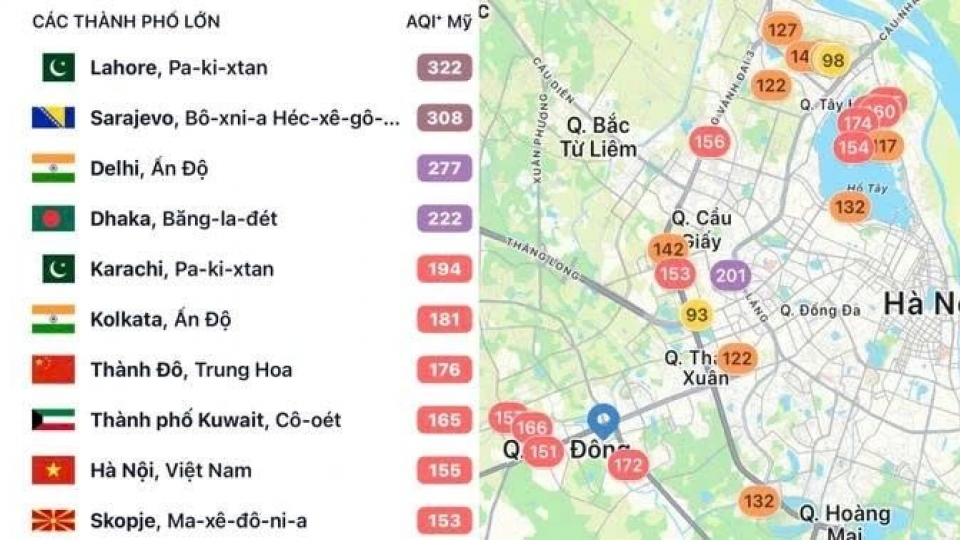
VOV.VN - Air quality in Vietnam’s capital Hanoi has deteriorated again after two days of improvement, with air quality index (AQI) levels in several areas rising to unhealthy levels, posing potential health risks, local data showed.
