Vietnam to roll out satellite-based air quality monitoring

VOV.VN - Vietnam is preparing to scale up air quality monitoring using satellite data and remote sensing technologies, aiming to improve coverage and enhance environmental management.
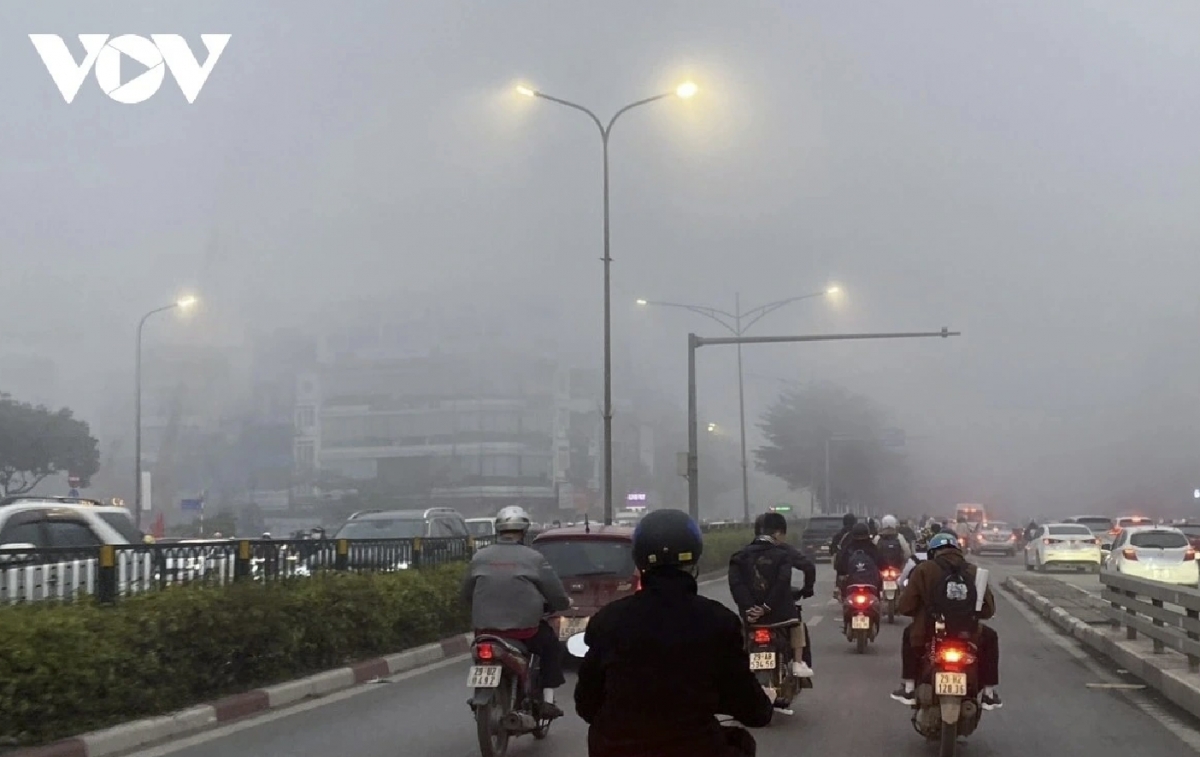
The Ministry of Agriculture and Environment is currently collecting feedback on a draft circular that would introduce national technical regulations for monitoring key air quality indicators through remote sensing. The proposed framework is designed to complement and gradually reduce reliance on ground-based monitoring stations.
Under the draft, the remote sensing system will focus on six major pollutants, including carbon monoxide (CO), sulfur dioxide (SO₂), nitrogen dioxide (NO₂), ozone (O₃), and particulate matter (PM10 and PM2.5).
Compared to existing regulations, the draft does not include total suspended particles (TSP) or certain other hazardous parameters, reflecting a more targeted approach aligned with current technological capabilities.
The drafting agency noted that Vietnam already has national standards on ambient air quality, which are primarily based on conventional monitoring methods. However, the absence of specific regulations for remote sensing has resulted in inconsistencies in data management and utilisation.
The new draft adds technical procedures for deriving air quality parameters from remote sensing data. In particular, concentrations of PM10 and PM2.5 will be calculated using remote sensing indicators such as aerosol optical depth (AOD).
The regulation is expected to take effect in 2027, marking a significant step toward modernising Vietnam’s environmental monitoring system and enabling large-scale, real-time air quality assessment.
Hanoi’s air quality worsens again after brief improvement
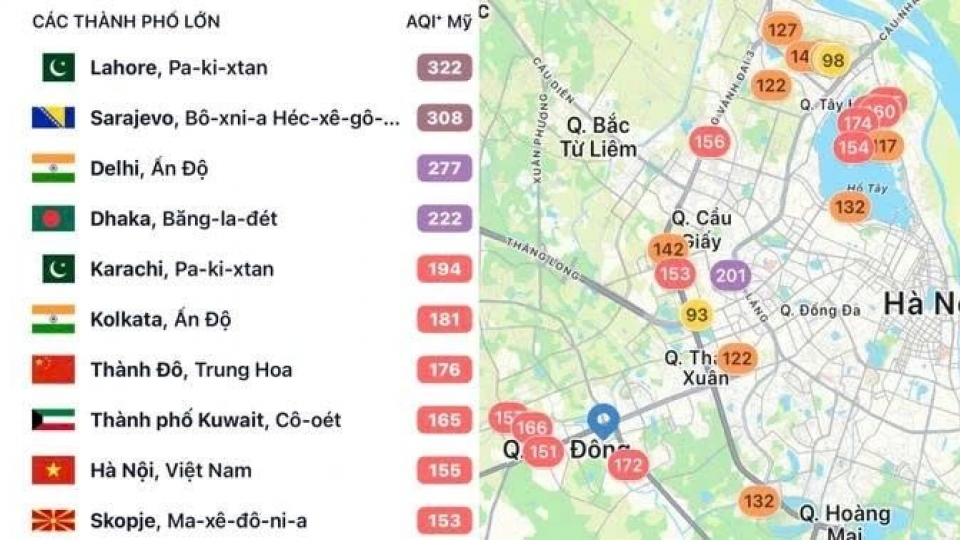
VOV.VN - Air quality in Vietnam’s capital Hanoi has deteriorated again after two days of improvement, with air quality index (AQI) levels in several areas rising to unhealthy levels, posing potential health risks, local data showed.