


ABU ConFest 2026: Journalism must evolve to keep audiences in the digital age

VOV.VN - Artificial intelligence, TikTok and podcasts are transforming media, but journalism's biggest challenge is not technology itself. It is understanding changing audience expectations while preserving the trust and credibility that continue to distinguish professional news organisations, speakers shared at ABU ConFest 2026.
Understanding audiences comes before creating content

The future of journalism depends less on adopting the latest technology than on understanding how audiences consume information, media leaders said during discussions at ABU ConFest 2026, held in Malaysia from July 7 to 9.
Rather than producing content first and searching for audiences later, news organisations should begin by identifying who their audiences are, what information they seek and how they engage with different platforms.
Tshilidzi Davhana, general manager for Factual Content at the South African Broadcasting Corporation (SABC), said many African broadcasters are shifting toward a mobile-first strategy built around short-form video, locally relevant storytelling and partnerships with digital creators who have strong connections with their communities.
According to her, audience behaviour, not editorial assumptions, should drive content decisions. Media organisations need to understand what motivates different demographic groups, the language they use and the formats they prefer before designing content strategies.
For SABC1, a television channel targeting younger audiences, programme development begins with detailed audience profiles. Young viewers may favour short videos, informal language and humour, she said, but they also seek meaningful information presented in engaging ways.
The relationship between journalism and audiences has fundamentally changed, Davhana noted, arguing that media organisations must adapt not only to new platforms but also to new patterns of information consumption.
Young audiences still value depth and quality
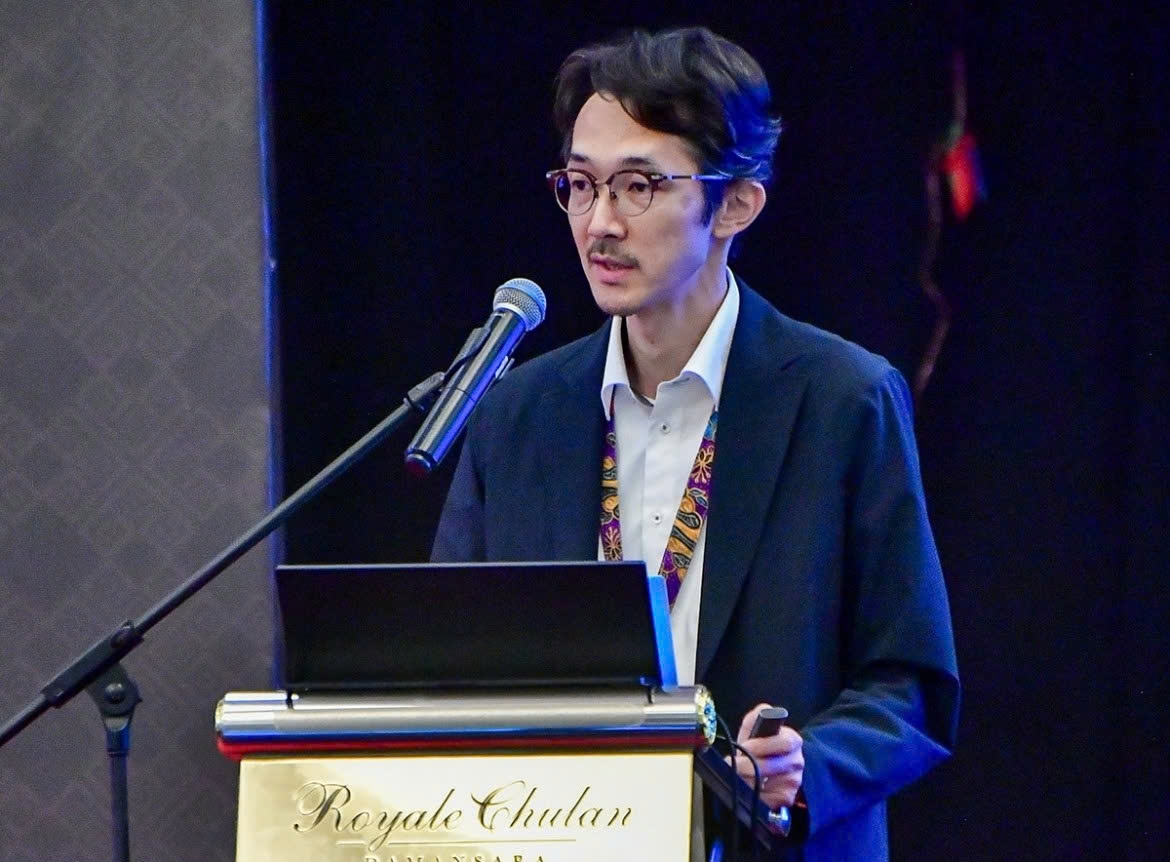
Although much of the discussion focused on social media and short-form content, speakers stressed that younger audiences have not abandoned in-depth journalism, they simply expect it to be more engaging.
Hiroyuki Shirakawa, a producer at Japan's public broadcaster NHK, said large-scale documentaries and science programmes continue to capture public imagination despite growing competition from digital platforms.
He argued that stories exploring space, oceans, evolution, the human body and scientific discovery remain powerful because they inspire curiosity and encourage people to think beyond everyday headlines.
Shirakawa recalled that Nobel Prize-winning scientist Shinya Yamanaka had credited NHK's science programmes with inspiring his interest in research as a young viewer. After receiving the Nobel Prize, Yamanaka later returned to appear in NHK programmes to inspire the next generation.
The example, Shirakawa said, demonstrates that younger audiences are not simply looking for shorter content, they are looking for content worth spending time on.
For public service media, maintaining quality storytelling while adapting to changing viewing habits remains one of the sector's most important responsibilities.
Trust remains journalism's greatest competitive advantage

While technologies continue to transform the media industry, speakers agreed that journalism's core value lies in something technology alone cannot provide: public trust.
TikTok may redefine how news is discovered, podcasts may expand opportunities for audio storytelling and artificial intelligence may accelerate content production, but none can replace journalism's responsibility to deliver verified, accurate and accountable information.
Instead of trying to bring audiences back to traditional platforms, news organisations should meet audiences wherever they consume information while preserving the editorial standards that distinguish professional journalism from the vast amount of online content.
Jean Philip De Tender, deputy director general of the European Broadcasting Union (EBU), said growing public concern over misinformation, authenticity and factual accuracy presents an opportunity for trusted news organisations to reinforce their role in society.
He argued that journalism’s value will increasingly depend not only on producing reliable information but also on presenting it in formats that match changing audience expectations across multiple platforms.
The discussions at ABU ConFest 2026 suggested that the future of journalism will not be determined by which platform becomes dominant or how quickly artificial intelligence evolves. Instead, its long-term relevance will depend on whether news organisations can continue earning public trust while adapting to the rapidly changing ways people discover, consume and share information.
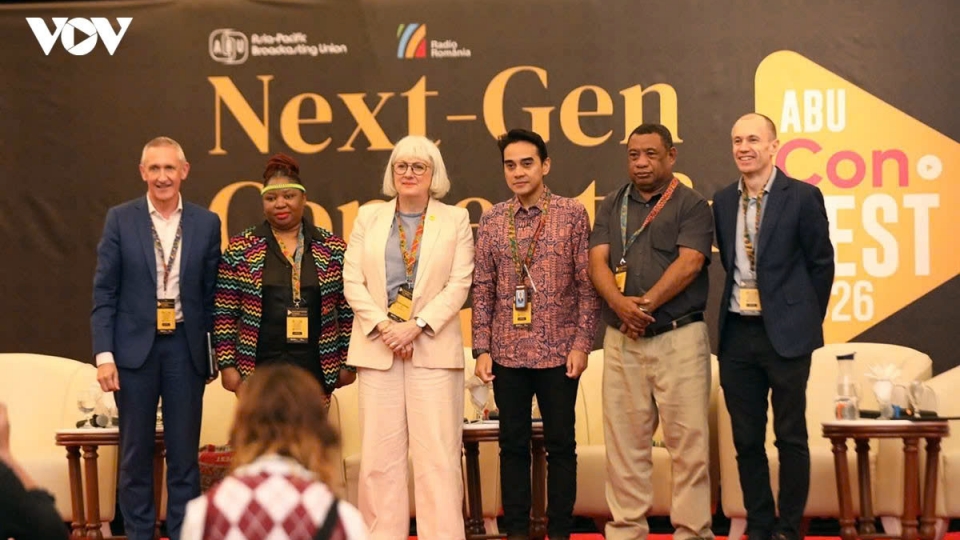
ABU ConFEST 2026: Trust remains public media's defining value in AI era
VOV.VN - Artificial intelligence (AI) is changing how journalism is produced, but not what makes it valuable. At ABU ConFEST 2026, broadcasters from across Asia-Pacific agreed that in the AI era, trust, not technology, is the defining strength of public service media.


