Vietnam – China relations deepened through “3+3” strategic dialogue: Chinese FM

The first ministerial-level “3+3” strategic dialogue on foreign affairs, national defence and public security between Vietnam and China represents a pioneering initiative helping safeguard political security and further deepen bilateral strategic cooperation, said Wang Yi, Minister of Foreign Affairs of China.
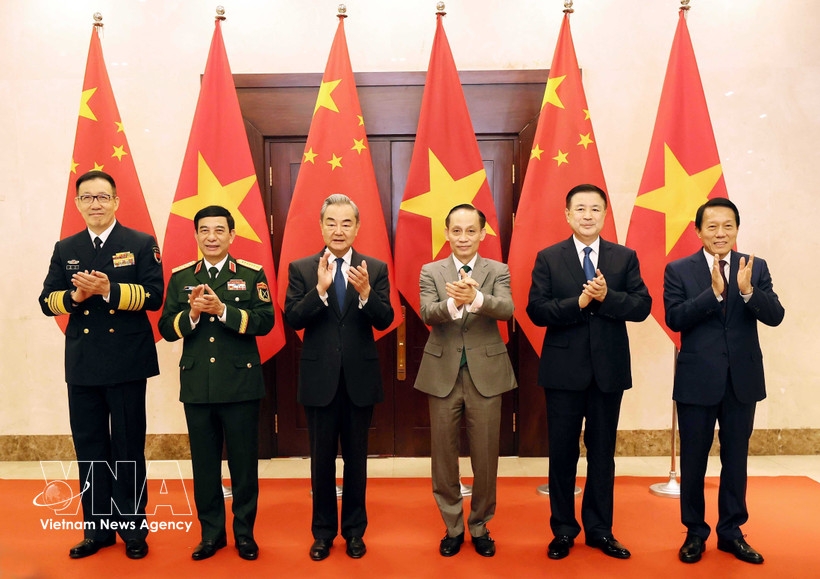
Wang granted an interview to the Chinese media on March 17, following his attendance at the dialogue and his co-chairmanship of the 17th meeting of the Vietnam–China Steering Committee for Bilateral Cooperation in Hanoi.
The first ministerial-level “3+3” strategic dialogue was convened shortly after China’s “Two Sessions” and the 14th National Congress of the Communist Party of Vietnam, demonstrating a high level of political trust and increasingly profound strategic collaboration between the two neighbouring countries.
The mechanism contributes not only to the building of a Vietnam – China community with a shared future that carries strategic significance, but also to the stability and injection of “positive energy” into a volatile international environment, he noted.
During the dialogue, both sides engaged in in-depth discussions on international developments and key issues relating to political security, national defence and law enforcement, reaching many important common understandings. They reaffirmed their commitment to their respective chosen development paths while emphasising the need to enhance safeguarding political stability and proactively address external risks.
The two countries also affirmed the determination to promote development in tandem with security safeguarding, and enhance mutual support in their processes of reform, opening-up and modernisation. In addition, they pledged to strengthen coordination in coping with shared challenges, including expand cooperation among diplomatic, defence and public security agencies; handle differences in a timely manner; boost the connectivity of development strategies; and ensure the stability of supply chains.
Vietnam and China also underlined closer coordination at regional and international forums, support for the central role of the United Nations, adherence to international law, and working together to address global challenges, shared Wang.
Regarding follow-up measures, the minister said ministries and agencies of both countries will advance concrete cooperation initiatives. In diplomacy, the two sides will maintain regular strategic dialogue, increase information-sharing on major policies, and promote the implementation of cooperation agreements.
In the field of security, the two public security ministries convened the ninth ministerial conference on crime prevention and control, and signed additional agreements on counter-terrorism and transnational crime fight.
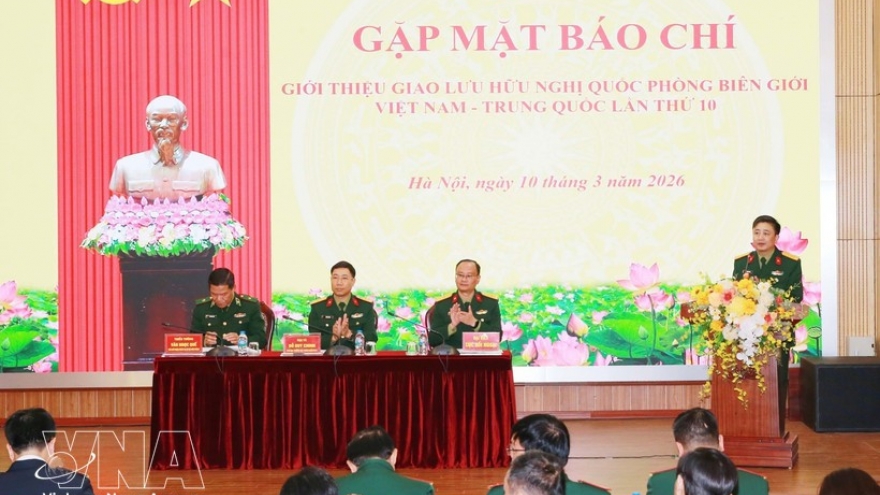
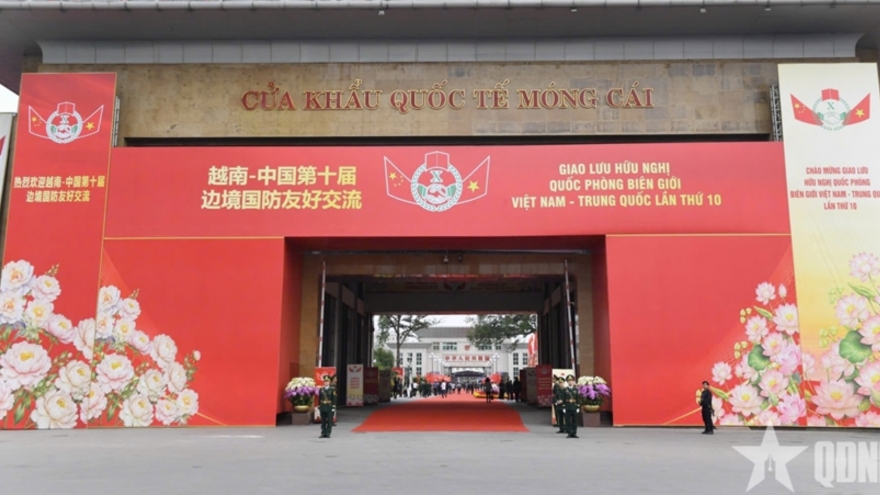
In defence cooperation, the two militaries are organising the 10th Vietnam – China Border Defence Friendship Exchange. They will conduct joint naval patrols and training, and expand dialogue and joint exercises. Both sides also agreed to promote the efficiency of regular high-level exchanges under the “3+3” framework to ensure effective and timely inter-agency coordination, Wang stated, noting that the second ministerial-level “3+3” dialogue will be held in China at an appropriate time.
Regarding the outcomes of the 17th meeting of the Vietnam – China Steering Committee for Bilateral Cooperation, he said the two sides discussed measures to advance collaboration across a wide range of areas, and emphasised strengthening political trust, stepping up high-level exchanges and sharing governance and development experience.
Cooperation in security will be broadened in such spheres as cybersecurity, high-tech crime prevention, online fraud, fugitive repatriation and asset recovery, alongside strengthening coordination between the two countries' militaries and border guard forces.
In economic, trade and investment partnerships, both sides agreed to enhance infrastructure construction, develop cross-border economic cooperation zones and smart ports, and expand collaboration in emerging areas such as the digital economy, innovation and artificial intelligence. They also pledged to boost people-to-people exchanges and cooperation in culture, education, tourism and health care, alongside implementing livelihood support projects to generate tangible benefits for both peoples.
Notably, both sides reaffirmed the importance of managing differences and maintaining dialogue on sea-related issues, with a view to preserving peace and stability in the East Sea, added the minister.
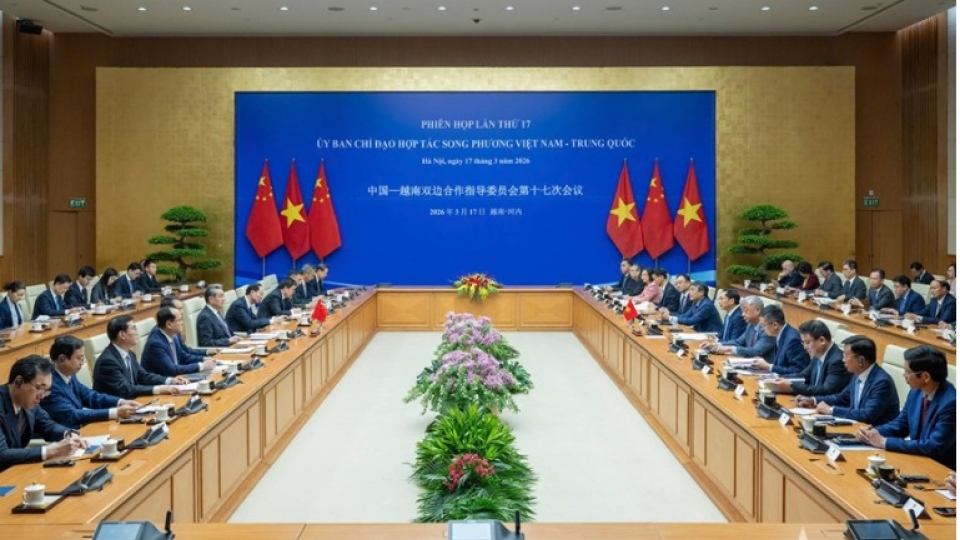
Vietnam, China agree to strengthen cooperation, better manage differences
VOV.VN - Deputy Prime Minister Bui Thanh Son and Wang Yi, member of the Political Bureau of the Communist Party of China (CPC) Central Committee, and Foreign Minister of China, co-chaired the 17th meeting of the Vietnam-China Steering Committee for Bilateral Cooperation in Hanoi on March 17.