Vietnam and Germany eye new strategic cooperation space

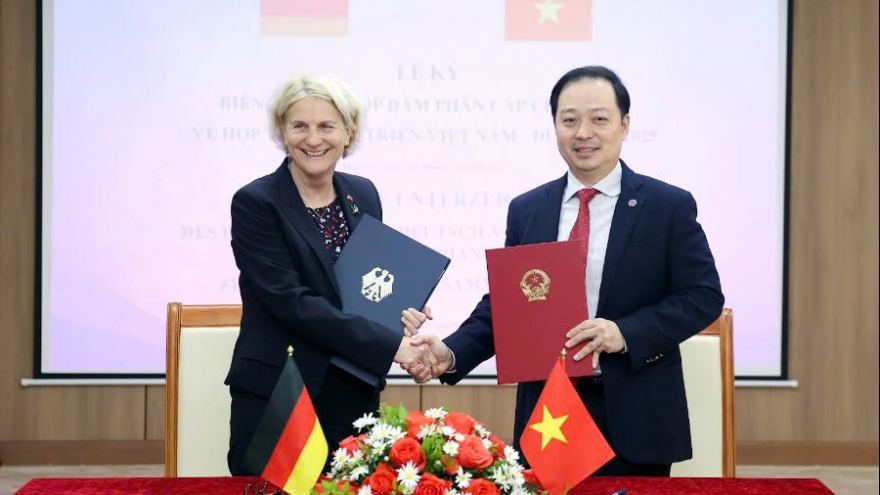
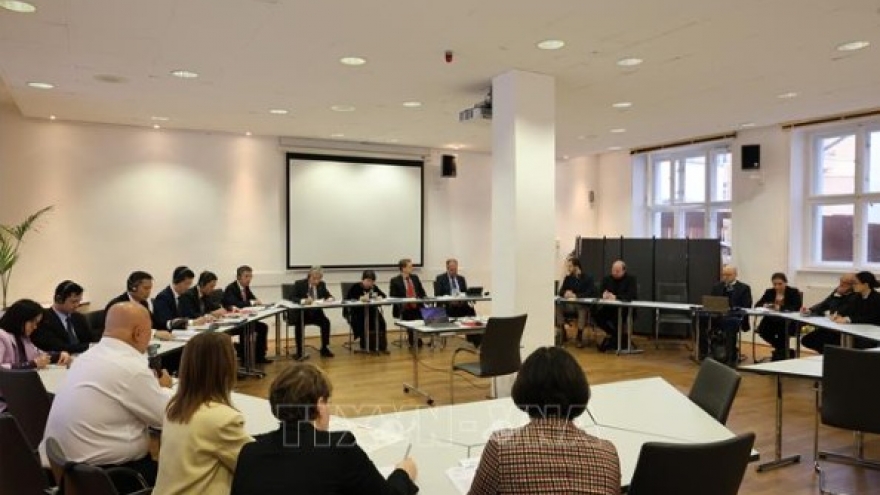
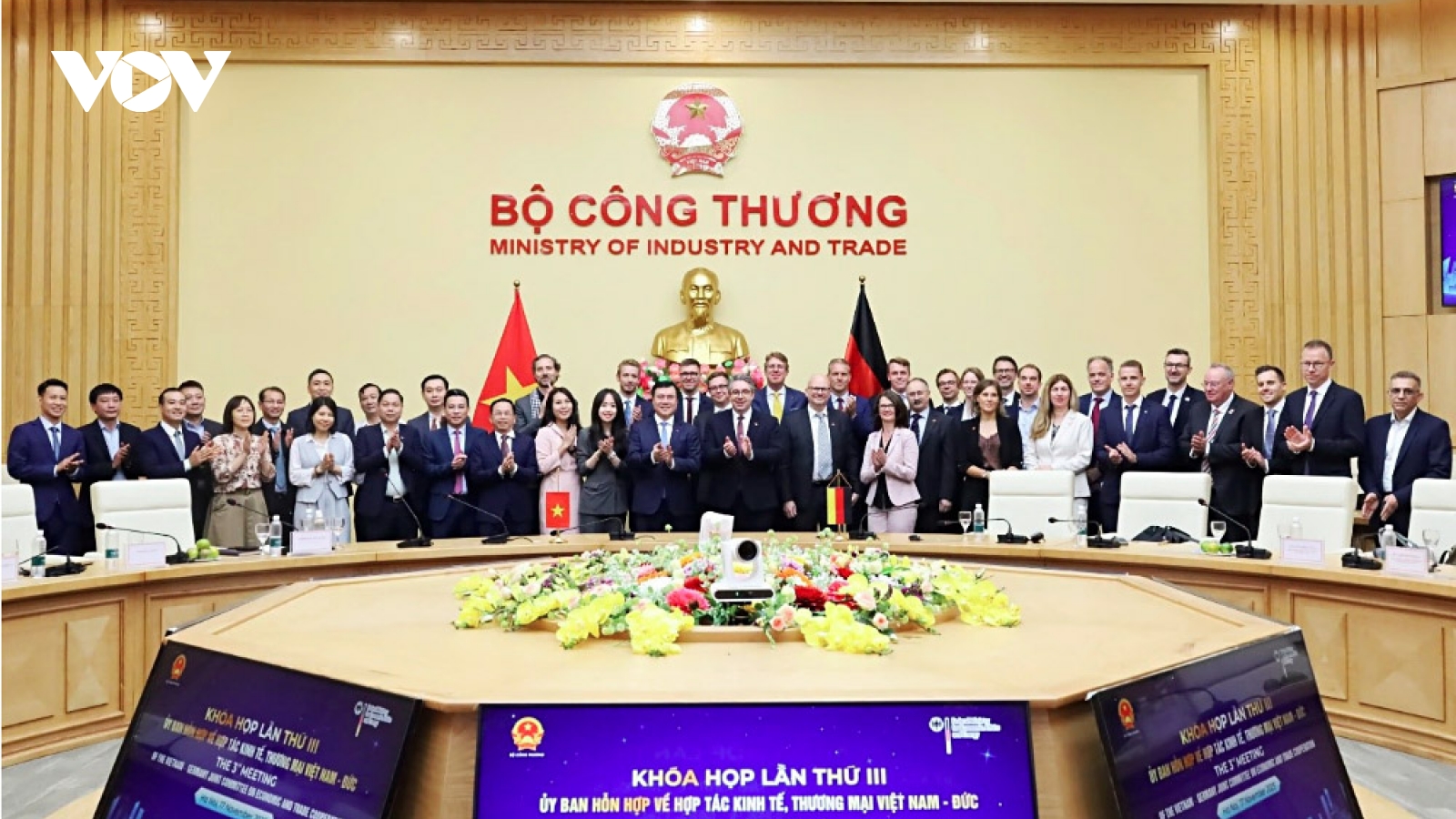
VOV.VN - Vietnam and Germany marked 50 years of diplomatic relations at a seminar in Hanoi on December 17, reviewing a half-century of cooperation and outlining new directions for their strategic partnership in the years ahead.
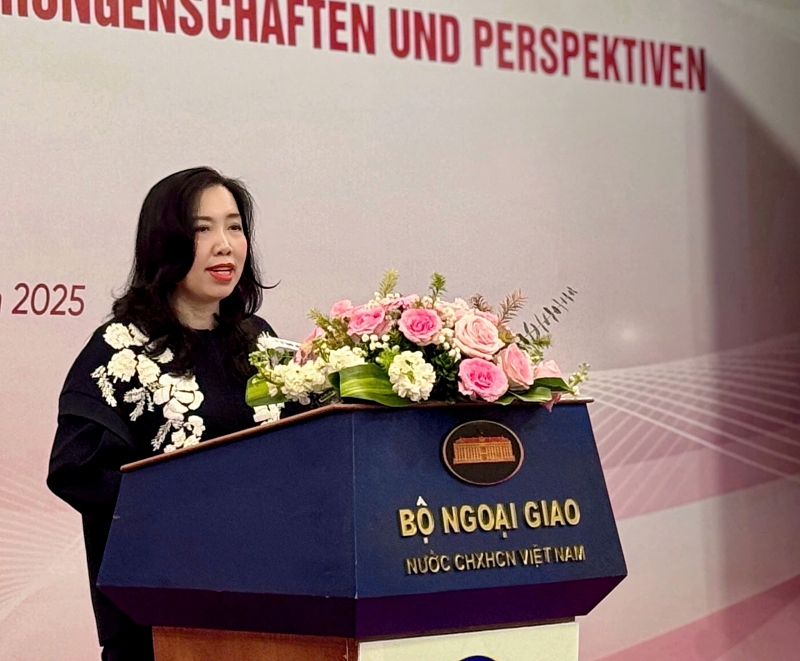
Speaking at the function, Vietnamese Deputy Minister of Foreign Affairs Le Thi Thu Hang noted that Vietnam – Germany relations have been built on strong people-to-people bonds and consistent political commitment from successive generations of leaders and institutions in both countries.
Despite differences and global challenges, Vietnam and Germany have gradually strengthened cooperation in a wide range of areas, from central to local levels, developing a relationship that is increasingly practical, effective and substantive, she said.
Germany is currently Vietnam’s leading trading partner in Europe, with many major German companies operating successfully in Vietnam across sectors such as industry, technology, energy, engineering and logistics. At the same time, a growing number of Vietnamese enterprises are expanding investment and business activities in Germany, enhancing their presence in the European market.
The diplomat pointed out that effective implementation of the EU–Vietnam Free Trade Agreement (EVFTA) and progress toward ratifying the EU–Vietnam Investment Protection Agreement (EVIPA) would further expand cooperation space, helping trade and investment to grow in a more balanced and sustainable manner.
Education, training and human resource development were highlighted as another key pillar of cooperation. Tens of thousands of Vietnamese students, researchers and skilled workers have studied and worked in Germany, serving as an important bridge connecting the two peoples and adding long-term depth to bilateral relations.
Taking the floor, German Ambassador to Vietnam Helga Barth said that after five decades of diplomatic relations and nearly 15 years as strategic partners, Vietnam–Germany ties have grown comprehensively and effectively. She stressed that the relationship is nurtured not only at government or business levels, but also through vibrant people-to-people exchanges, which form the core of long-term trust.
More than 200,000 Vietnamese people currently live, study and work in Germany, forming a dynamic community that plays a vital role in strengthening bilateral links. Cultural and educational activities organised by the German Embassy and the Goethe-Institute continue to serve as visible symbols of the close relationship.
Participants agreed that after 50 years, Vietnam–Germany relations have reached a level of maturity that allows for deeper and broader cooperation, particularly in science, technology and innovation.
Germany’s strengths in advanced manufacturing and technology align well with Vietnam’s push for digital transformation, a knowledge-based economy and green growth. Cooperation in high technology, artificial intelligence, automation, green technologies, renewable energy, the circular economy and climate change adaptation was seen as holding significant potential.
Joining the seminar online from Berlin, Vietnamese Ambassador to Germany Nguyen Dac Thanh said both sides should strengthen parliamentary diplomacy and aim to raise bilateral trade to at least US$20 billion by 2030. He noted that 2026, with several major commemorative events, would provide opportunities to promote new initiatives in aviation, science and technology, and biotechnology.
Former Ambassador to Germany Doan Xuan Hung stressed the importance of substantive cooperation, calling for increased high-level exchanges, stronger people-to-people ties, development of high-quality human resources, and expanded links between businesses and localities in both countries.
Against the backdrop of ongoing global uncertainties, speakers agreed that continued efforts by Vietnam and Germany to reinforce political trust, respect differences and proactively expand new areas of cooperation would not only benefit bilateral ties but also contribute to peace, stability and sustainable development regionally and globally.
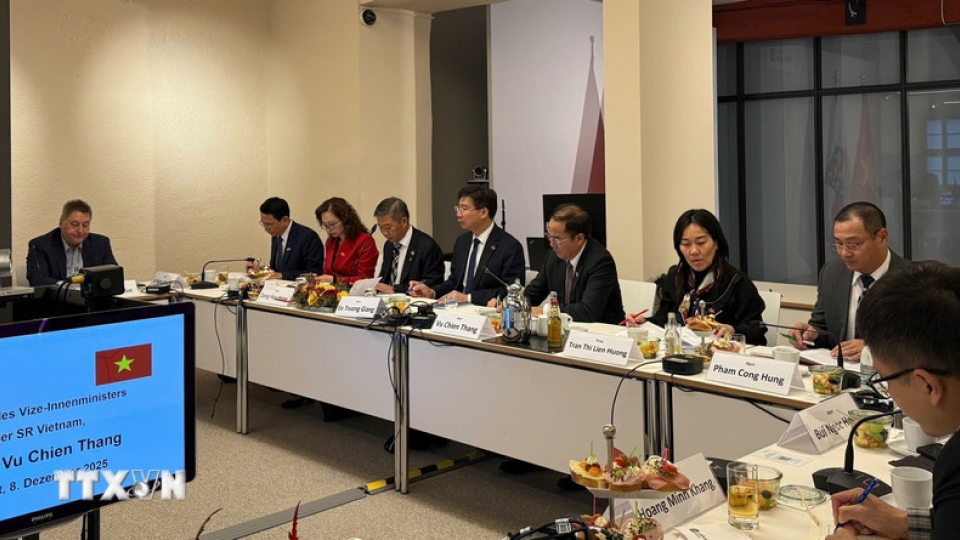
Vietnam-Germany labour forum promotes high-quality, sustainable “talent circulation"
VOV.VN - The Vietnam-Germany Labour Cooperation Forum was jointly held on December 9 by Vietnam’s Ministry of Home Affairs, the German Federal Ministry of Labour and Social Affairs (BMAS), and the authorities of Leipzig as part of activities marking the 50th anniversary of diplomatic ties between the two countries.