Top Vietnamese leader’s visit to elevate Vietnam – Thailand ties to new level: Thai scholar

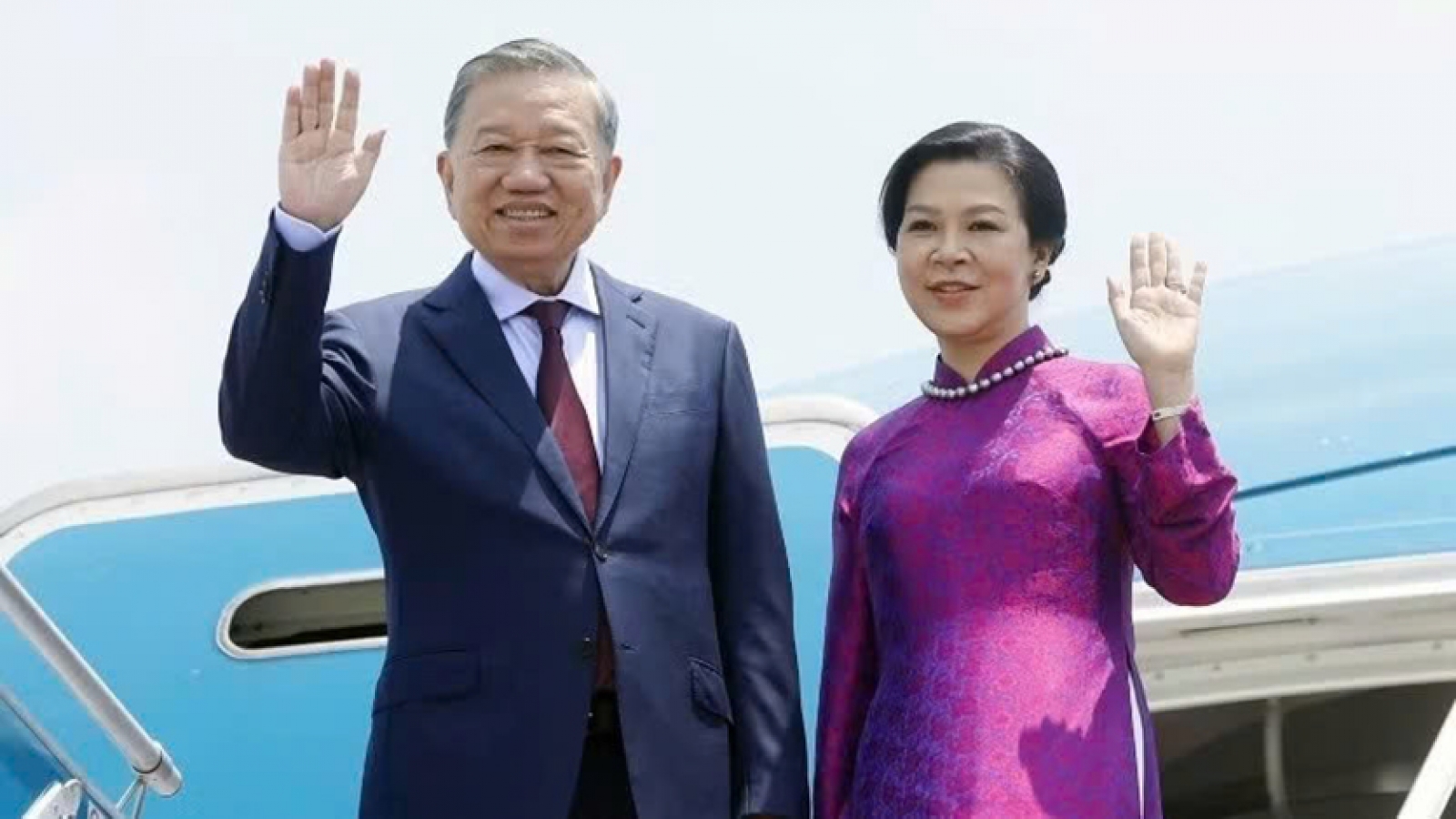
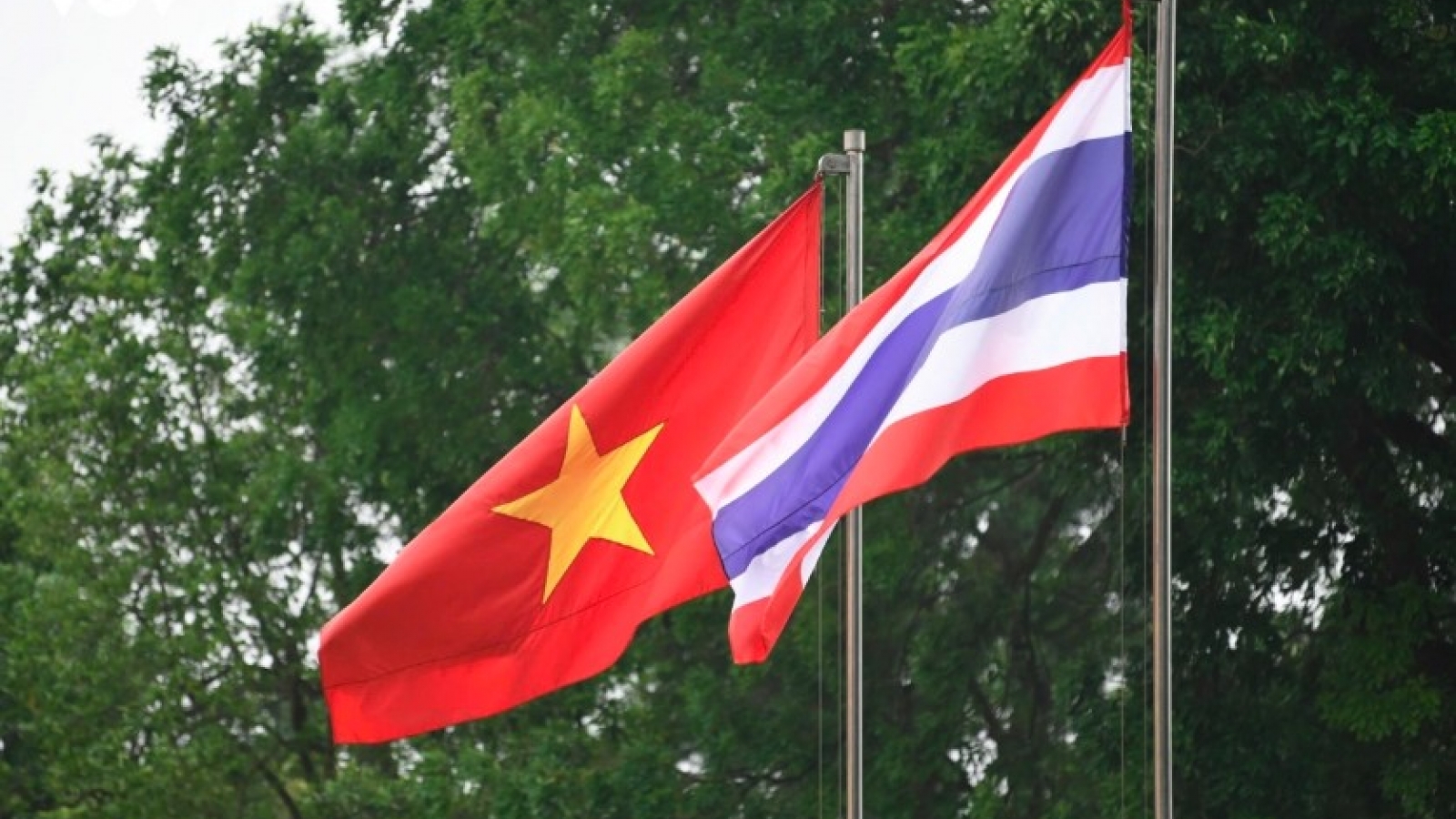
The official visit to Thailand by General Secretary of the Communist Party of Vietnam (CPV) and President of Vietnam To Lam is expected to inject fresh momentum into the dynamic and strategic bilateral relationship, a Thai scholar has said.
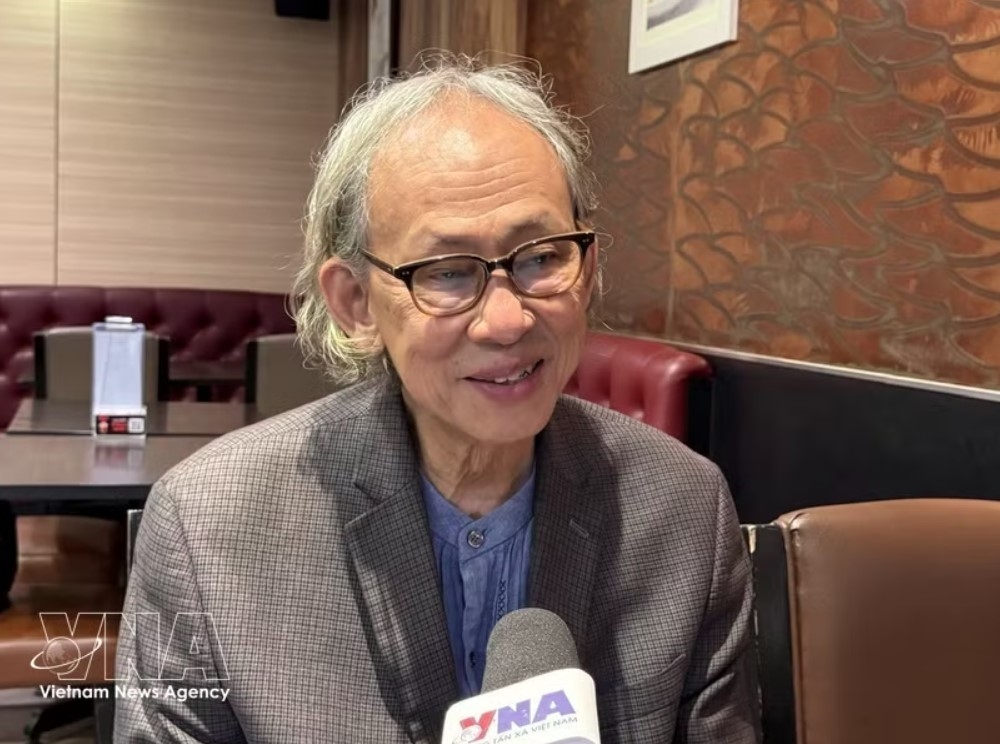
Talking to the Vietnam News Agency on the thresholds of the visit, Kavi Chongkittavorn, a leading expert on regional affairs, said the bilateral ties have grown increasingly dynamic and strategic over the past two decades, as reflected in the successive elevation of relations to a Strategic Partnership in 2013, an Enhanced Strategic Partnership in 2019, and a Comprehensive Strategic Partnership last year. He stressed that the visit will play a key role in further advancing this upgraded framework.
Both countries place strong emphasis on sustainable economic development, with Thailand promoting its Bio-Circular-Green (BCG) economy model and Vietnam advancing its green growth strategy. This convergence has become even more important amid the global energy transition.
With the highly anticipated official visit by the top Vietnamese leader, the two countries are seeking to identify new areas of cooperation to further elevate their relations to a new height, he noted.
He observed that while maintaining their distinct diplomatic approaches, Thailand and Vietnam can better coordinate to navigate relations with major powers as both oppose any attempts to establish hegemony in the region, and when they raise a common voice, that will positively impact ASEAN’s centrality.
Kavi also highlighted the two countries’ important roles in the Mekong sub-region, saying their cooperation can help foster the prosperity and sustainability of the Mekong River and its surrounding areas, while ensuring good governance and environmental protection.
Regarding economic ties, the two countries are vital links in regional and global supply chains and, therefore, should further strengthen connectivity with other regional frameworks. Thailand is Vietnam’s seventh-largest trading partner globally and top trading partner within ASEAN. Kavi stressed the importance of accelerating the “Three connections” strategy to boost investment and multi-level linkages.
People-to-people exchanges remain another crucial area of bilateral ties, the scholar said, noting that the Vietnamese community in Thailand, numbering around 100,000, have contributed significantly to economic development in the host country’s northeastern region. More than 1 million Thai and Vietnamese tourists visited each other's countries last year.
He added bilateral cooperation is also expanding to higher-level exchanges, including joint academic research and exploration of advanced technologies.
Kavi described the visit as timely, noting that Vietnam’s steady economic growth of around 8% has reinforced its position as a critical economic engine in Southeast Asia. As two of the largest economies in mainland Southeast Asia, closer ties between Thailand and Vietnam are expected to contribute to peace and stability in the Indo-Pacific, while both countries continue to advance the ASEAN Outlook on the Indo-Pacific across all priority areas.
According to the scholar, Thailand – Vietnam maritime security cooperation has been increasingly strengthened and diversified through regular port visits and joint training activities. Enhancing regional supply chain structures, including those identified within Mekong and ASEAN cooperation frameworks, has also been prioritised.
Amid growing geopolitical uncertainties, Kavi underlined the importance of closer coordination between Thailand and Vietnam to align strategic perspectives and safeguard their respective autonomy. The upcoming visit, he concluded, is set to provide a strong boost for bilateral relations in the period ahead.
Top Vietnamese leader’s Thailand visit marks milestone in shaping bilateral ties
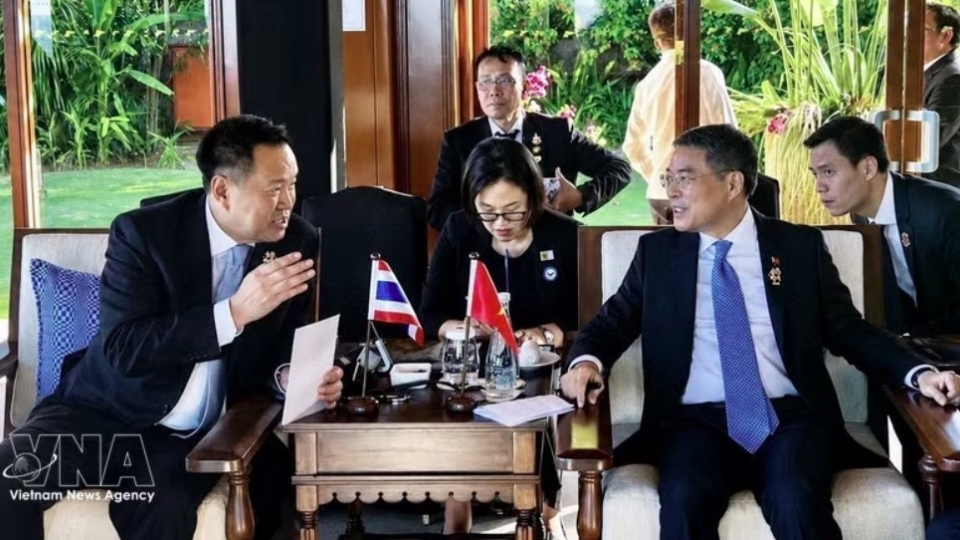
The upcoming official visit to Thailand by General Secretary of the Communist Party of Vietnam (CPV) Central Committee and State President To Lam is expected to become a milestone shaping the bilateral relations over the next decade, according to Thai newspaper The Standard.