Int'l perspectives on trust, development through Vietnam’s general election

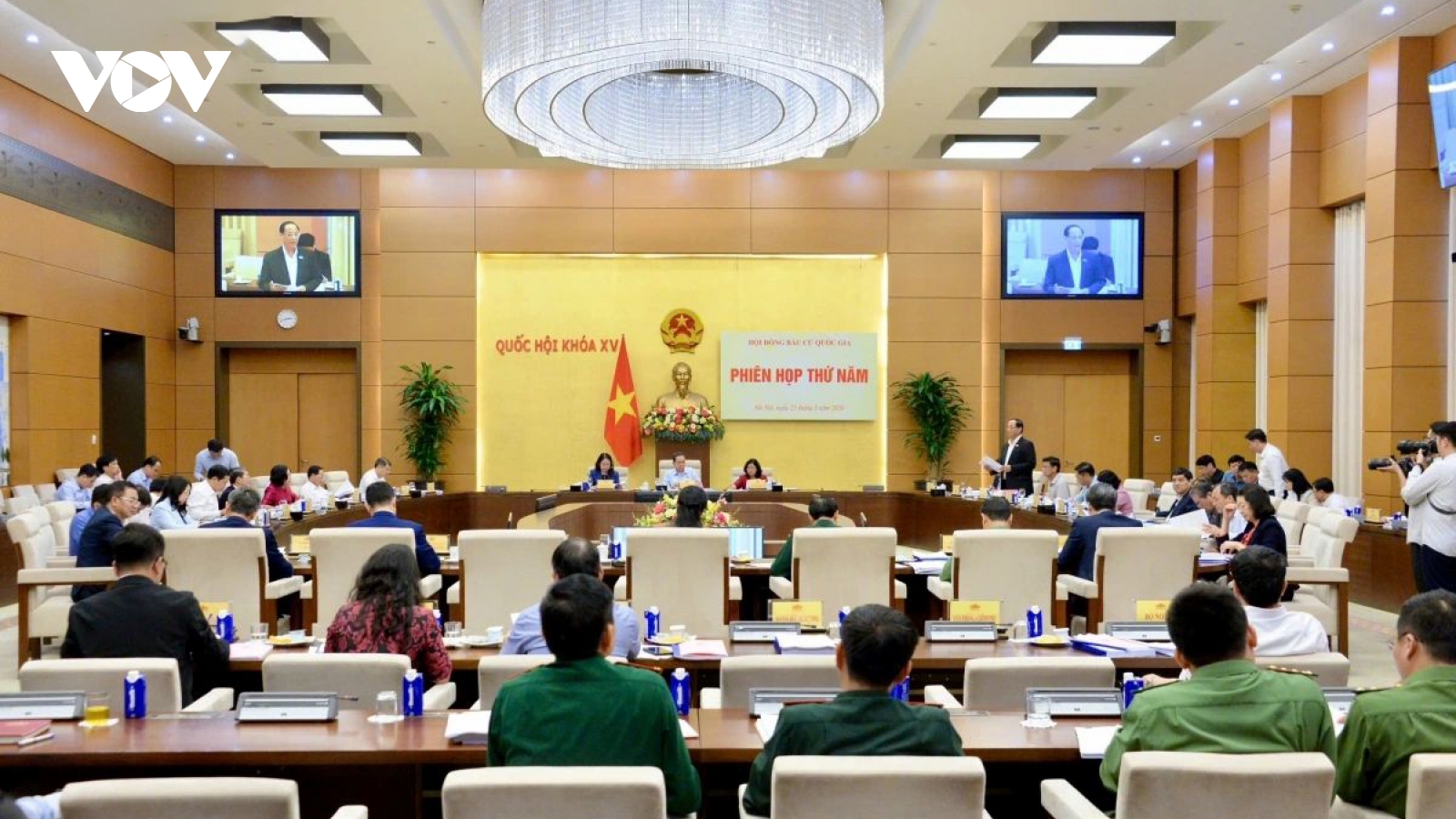
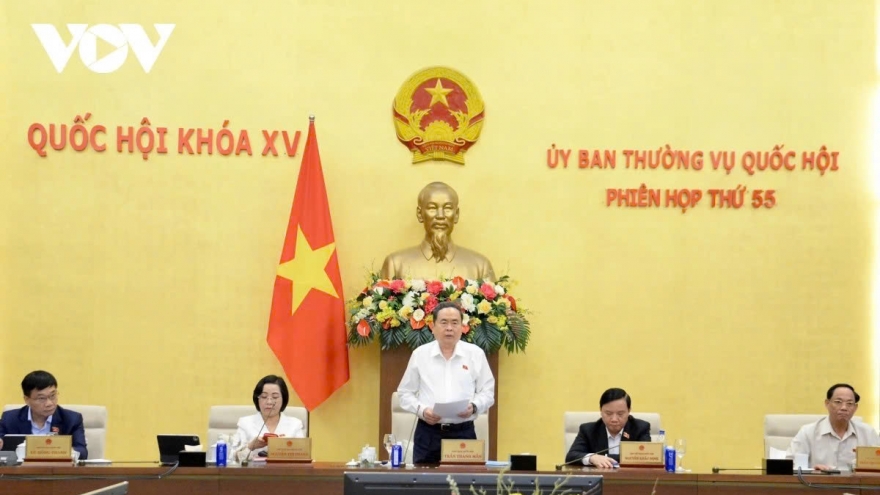
The official results of Vietnam’s 16th National Assembly election have been announced, marking the completion of a constitutionally mandated process and the beginning of a new term filled with expectations.
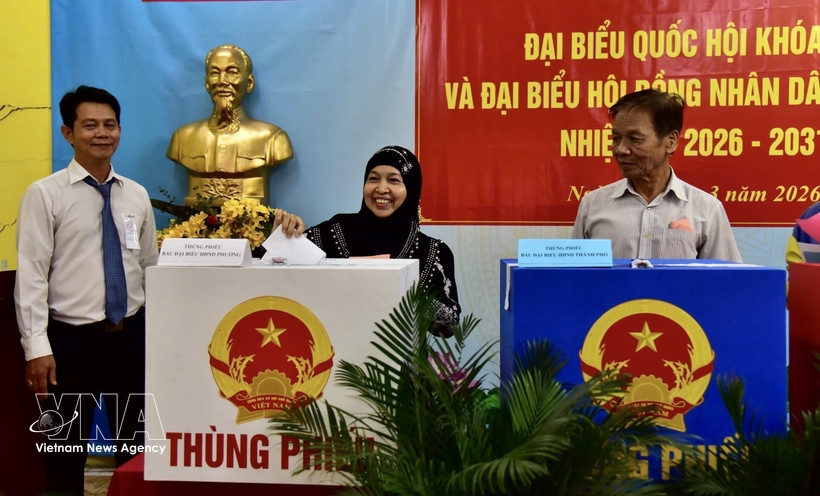
Beyond the numerical outcomes, the results reflect public confidence and broad consensus in the leadership of the Party and the governance of the State. As the country enters a new phase of development, this trust becomes even more meaningful, serving not only as a firm political foundation but also as a driving force for the effective implementation of major policies in a practical and sustainable manner.
In an interview with Vietnam News Agency correspondents in the UK, British scholar Kyril Whittaker noted that his research on Vietnam indicates a close link between strengthening social trust and the country’s overarching development orientation. Development, he observed, is no longer confined to economic growth, but increasingly centres on governance effectiveness and improvements in people’s quality of life.
According to Whittaker, the guiding spirit of the 14th National Congress of the Communist Party of Vietnam underscores development and breakthroughs. With long-term national goals clearly defined, significant improvements are being shaped across multiple sectors, including infrastructure, living environments and standards, technological accessibility, and health care. These advancements are set to be pursued in a sustainable and comprehensive manner.
In this context, development is understood as a holistic structure in which quality of life and governance efficiency are closely intertwined with economic indicators. The 14th National Party Congress also places strong emphasis on the fight against corruption and negative practices, while strengthening people’s right to mastery through the streamlining of the state apparatus and the application of technology in governance. Such measures are expected to enhance interaction between authorities and citizens at both local and central levels.
Whittaker emphasised that in Vietnam, the promotion of people’s right to mastery is intrinsically linked to national development. In other words, the true measure of development lies in people themselves, and the value of every policy or project is ultimately determined by the tangible benefits it brings to citizens. In the freshly-ended National Assembly election, he assessed, this perspective gains further relevance: each ballot cast represents not only a choice of representatives, but also an expression of expectations for development that prioritises people’s well-being.
Within this broader framework, the scholar described the 14th National Congress as a “breakthrough milestone,” where technological innovation, socialist democracy, and governance discipline converge to ensure rapid yet people-centred development. Under the leadership of the Party, and with strengthened public trust and consensus following the general election, he expects policies will move beyond paper into real life, enabling citizens to genuinely feel the impact of progress and see the benefits of development reach every household.
Chinese scholar highlights significance of Vietnam’s National Assembly election
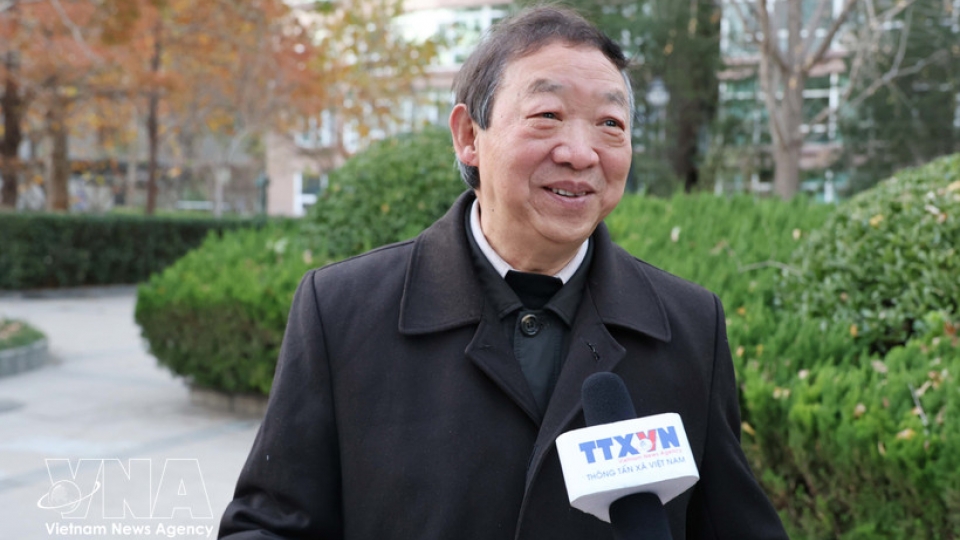
Vietnam’s election of deputies to the 16th National Assembly and People’s Councils at all levels for the 2026–2031 tenure holds particularly important significance, said Professor Zhu Zhenming of the China (Kunming) Academy of South and Southeast Asian Studies.