




Vietnam urged to turn innovation into tangible economic growth

VOV.VN - Deputy Prime Minister Ho Quoc Dung has called for bottlenecks in policy implementation to be removed and stronger links between businesses and research institutions to be forged, aiming to turn science, technology and innovation into tangible drivers of economic growth.
Speaking at a meeting on the development of Vietnam’s national innovation ecosystem in Hanoi on October 14, Dung stressed the need for a more coordinated, practical and effective ecosystem centred on businesses, with greater emphasis on technology commercialisation and the development of innovative enterprises.
Vietnam ranked 43rd among 139 economies in the 2026 Global Innovation Index, up one place from 2025 and placing third in ASEAN, according to a report presented at the meeting. Its innovation output ranking rose two places to 35th, while the country was recognised as one of seven middle-income economies that had improved their rankings most rapidly since 2013.
Despite this progress, several indicators remain below expectations, particularly the quality of regulations, the effectiveness of law enforcement and the ability to create a stable environment for business and innovation.
Hoang Minh, Deputy Minister of Science and Technology, said Vietnam’s research and development (R&D) spending stood at around 0.55% of gross domestic product (GDP), compared with approximately 1.5–2% in many higher-ranked economies and as much as 4% in some countries.
The figures highlight a key challenge for Vietnam - strengthening its capacity to generate knowledge and technology while ensuring that research results translate into economic value.
Bridging the gap between research and business

The limited commercialisation of research is a major obstacle to the development of Vietnam’s innovation ecosystem.
Pham Quang Hung, Deputy Minister of Education and Training, said the ministry had established 13 science and technology networks in areas associated with Industry 4.0, involving around 300 businesses. However, cooperation has largely focused on training, with relatively few partnerships producing tangible products for the market.
Research at universities often is at the laboratory stage, while the transfer and application of findings in production and business activities are still limited, he said, adding that stronger support from the State is needed.
Associate professor Dr. Nguyen Hieu, Standing Vice Director of Vietnam National University, Hanoi, also highlighted the need to make human resource development for innovation a core component of the national ecosystem. Revenue from science and technology activities accounted for only 15% of the university’s total revenue, according to figures he presented.
The challenge extends beyond the availability of highly skilled workers. Universities and research institutions do not always have a clear understanding of businesses’ technological needs, while some companies lack the capacity to establish effective partnerships with research organisations.
The development of the innovation ecosystem also depends on stronger demand for technology, more active venture capital investment and businesses’ ability to absorb, master and adapt external knowledge and technology to their own operations.
Removing policy bottlenecks and strengthening demand
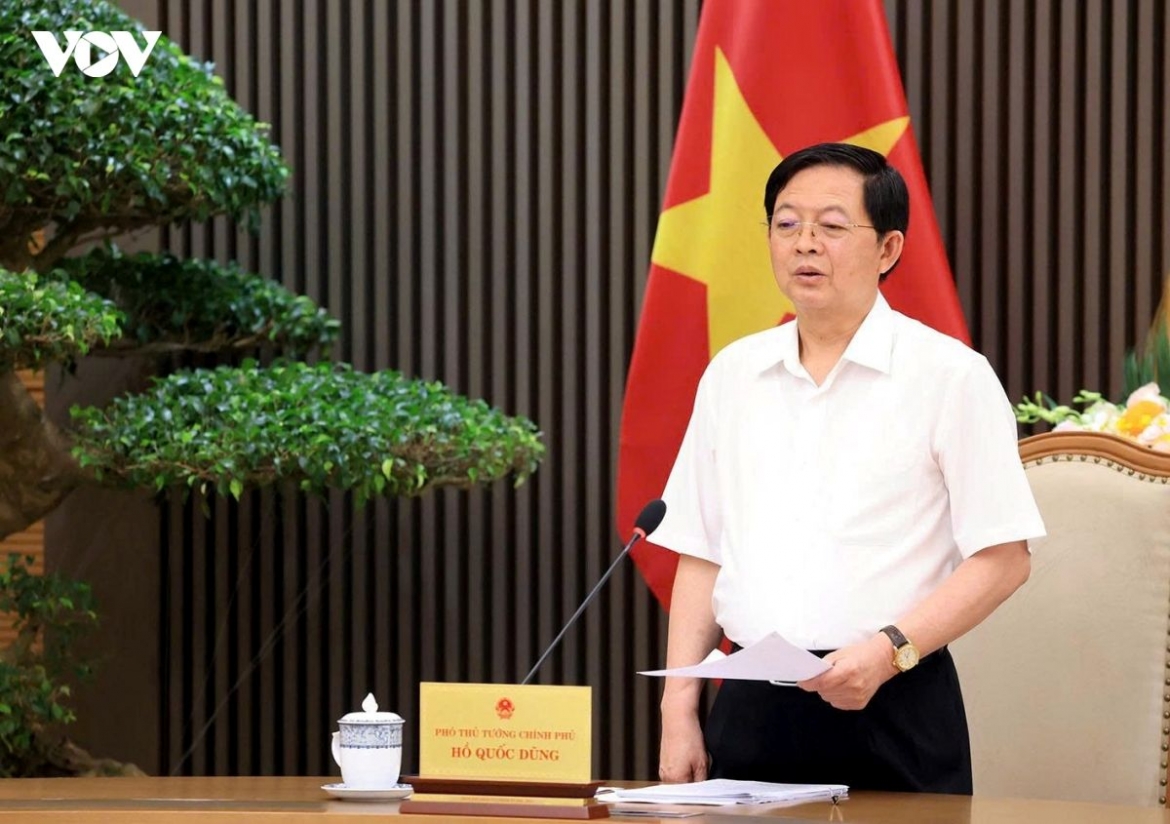
Concluding the meeting, Deputy Prime Minister Ho Quoc Dung said innovation must become a mode of development and a driver of growth across the economy. It should generate productivity gains, higher added value, new products, industries and markets, while improving public administration and the quality of public services.
He stressed that businesses needed to master technologies, reduce costs, enhance competitiveness and participate more deeply in global value chains, helping create jobs, raise incomes and improve people’s living standards.
The Ministry of Science and Technology was tasked with working with the ministries of Finance, Education and Training, and Industry and Trade, along with other relevant agencies, to review and resolve institutional and regulatory obstacles.
Areas requiring attention include taxation, investment, financing, public expenditure, intellectual property, technology transfer, product commercialisation and venture capital investment. If necessary, the Government will consider developing a decree on product commercialisation and the development of trading platforms.
Dung also called for coordinated policies to stimulate both the supply of and demand for technology, with research commissioned more directly in response to businesses’ practical needs.
The proposed measures aim to strengthen links between research, production and the market, helping Vietnam move from generating research results to converting them into commercially viable technologies and products.
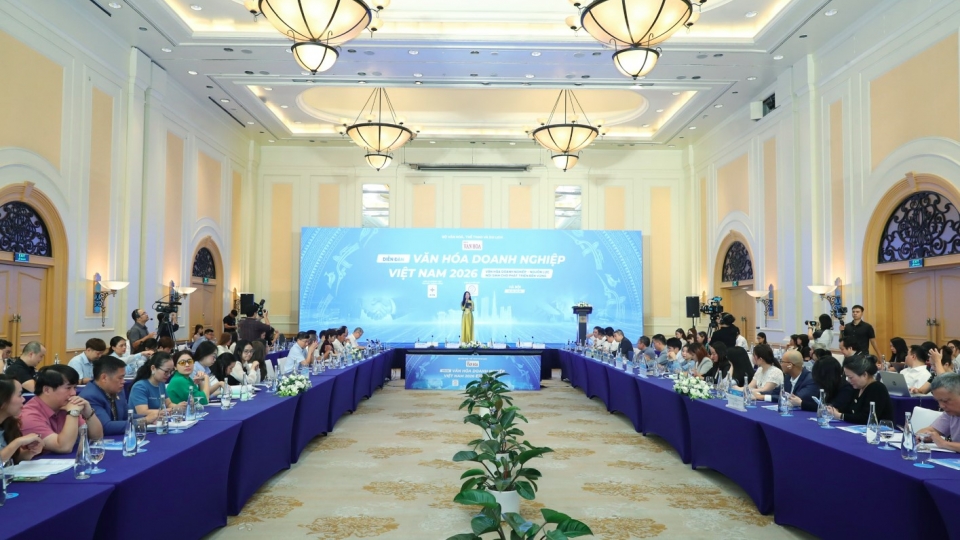
Corporate culture drives innovation and sustainable growth
VOV.VN - Corporate culture is a key driver of innovation and sustainable growth, requiring businesses to uphold integrity, put people at the centre of development and adapt to technological advances, Deputy Minister of Culture, Sports and Tourism Nguyen Huy Dung said at the Vietnam Corporate Culture Forum 2026 in Hanoi


