Vietnam must treat quantum technology as a strategic priority: top leader To Lam

VOV.VN - Party General Secretary and President To Lam has called on Vietnam to regard quantum technology as a strategic development direction, emphasising the need to move early, focus on practical strengths, develop high-quality human resources, and create mechanisms for real-world application and commercialisation.
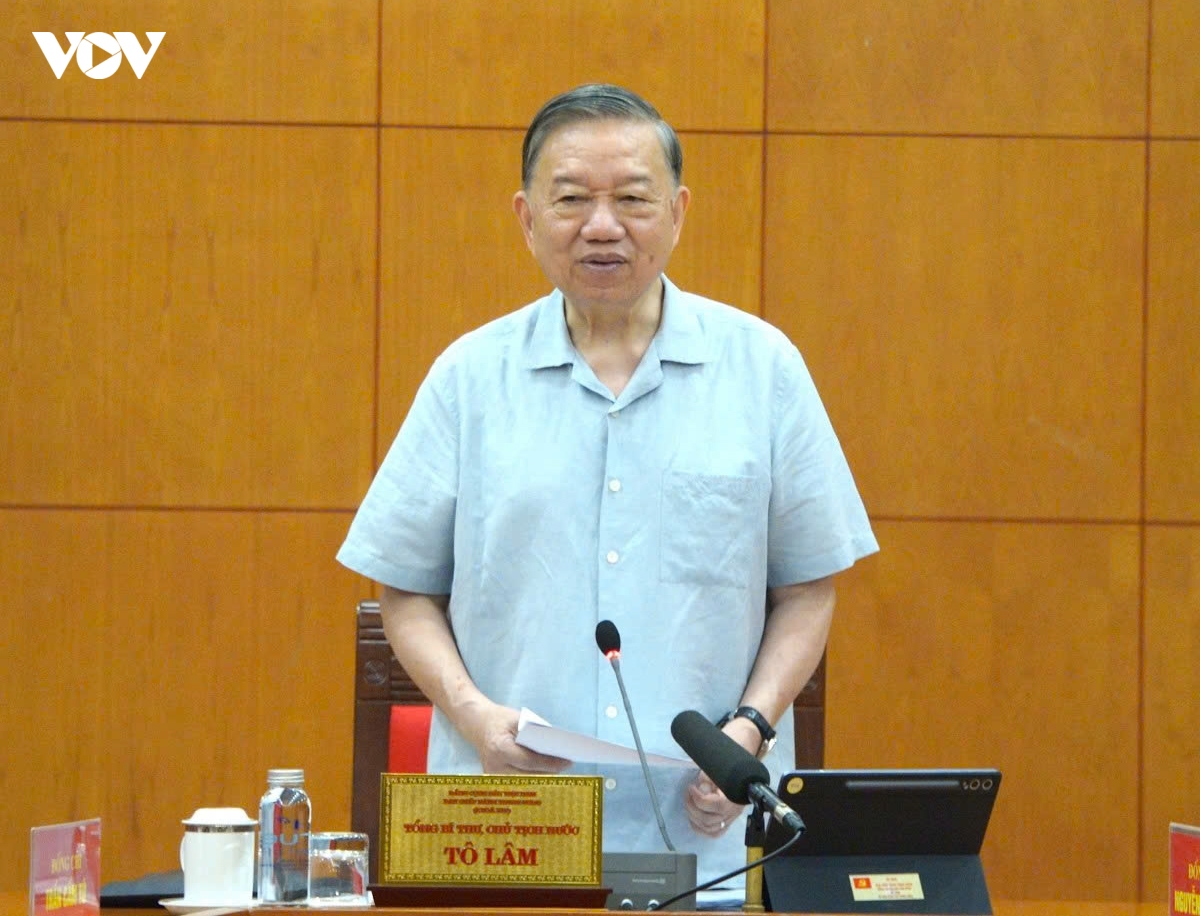
Speaking at a meeting with the Standing Committee of the Central Steering Committee for Science, Technology, Innovation and Digital Transformation on May 21, the top leader stressed that Vietnam must clearly define the strategic role of quantum technology in the country’s next phase of development.
According to him, quantum technology should be integrated into Vietnam’s broader strategy for science, technology, innovation, and digital transformation, while also supporting national security, data protection, and long-term competitiveness.
“We must move early in awareness, build strong foundations carefully, and focus on areas capable of creating real capacity and real value,” he said, while cautioning against both impatience and delays in implementing strategic directions.
The leader stated that Vietnam should prioritise a number of research directions that align with the country’s practical conditions rather than dispersing resources across too many fields.
He identified several priority areas including quantum information, quantum sensors, quantum materials, simulation technologies, and precision measurement systems.
The leader stressed that investment should not be fragmented and instead should focus on building strong research centres, national key laboratories, and elite research groups capable of generating meaningful technological breakthroughs.
He also called for stronger coordination among research institutes, universities, businesses, relevant agencies in order to build an effective research and application ecosystem.
In addition, the Party General Secretary and President highlighted that the development of quantum technology must go hand in hand with building high-quality human resources.
“To truly master technology, we must have a strong enough team of experts,” he said.
He called for the formulation of a national workforce training programme, mechanisms to attract domestic and overseas experts, and expanded international cooperation to access advanced knowledge and technologies.
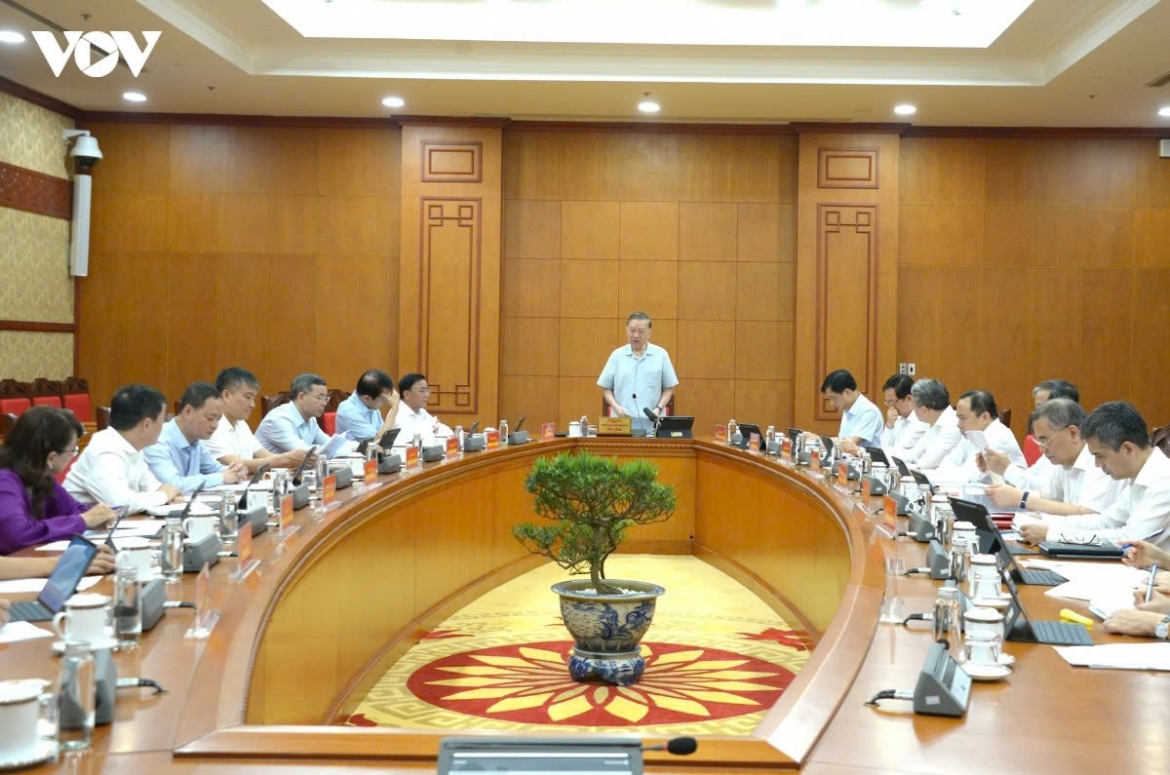
According to the leadership direction, Vietnam aims to train around 1,000 core personnel in quantum-related fields while establishing selective international cooperation networks and promoting knowledge transfer.
Another key priority highlighted at the meeting was the need to strengthen experimental mechanisms and practical applications to avoid scientific research remaining only at the proposal stage.
The top leader called for mechanisms to encourage enterprises to engage in research, development, and commercialisation activities in order to create concrete products serving socio-economic development, national defence, and security needs.
He requested the early development of a national strategy on quantum technology, the establishment of a national centre for quantum technology, and the launch of several national-scale pilot projects.
He also asked the Party Committee of the Vietnam Academy of Science and Technology to continue refining the draft proposal to ensure strategic vision, feasibility, and practical relevance before submission to competent authorities for consideration.
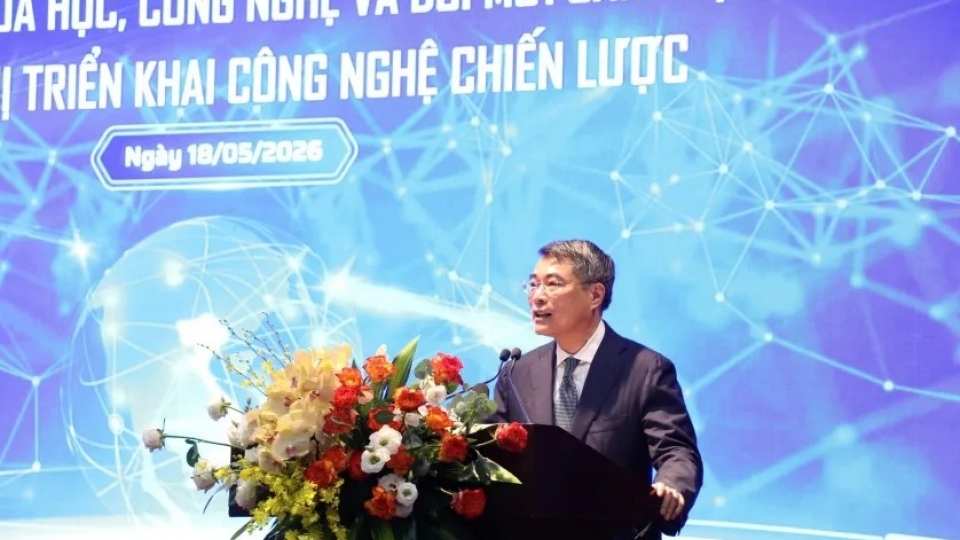
Government leader urges rapid development of strategic technology products
VOV.VN - Prime Minister Le Minh Hung called for the swift removal of financial bottlenecks related to science and technology, innovation and digital transformation, while prioritizing resources for strategic and core technologies.