Vietnam inaugurates national space centre, strengthens space cooperation with Japan

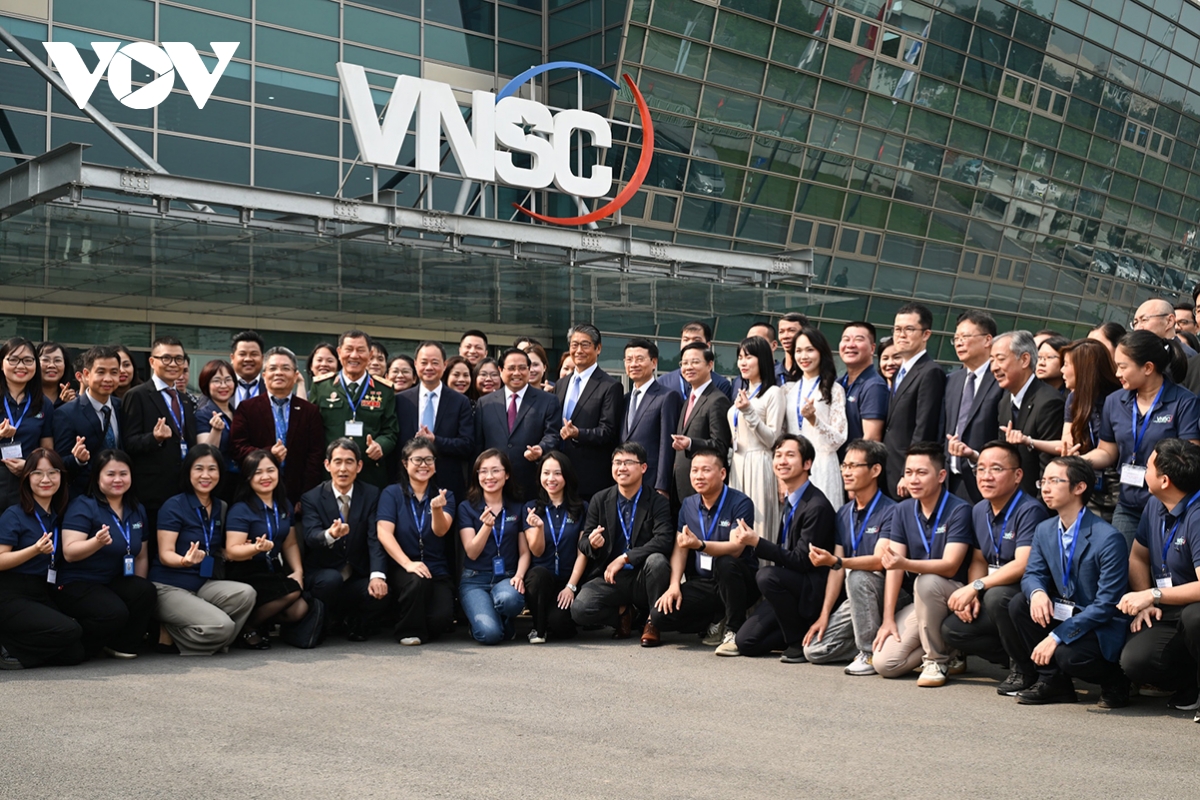
VOV.VN - The Vietnam National Space Centre was inaugurated on March 13, marking a significant milestone in the country’s strategy to develop space technology and deepen cooperation with Japan in the field.
The inauguration ceremony took place at Hoa Lac Hi-Tech Park in Hanoi, alongside the opening of the Vietnam–Japan Space Horizons Forum 2026 under the theme “Partnering for the New Era”.
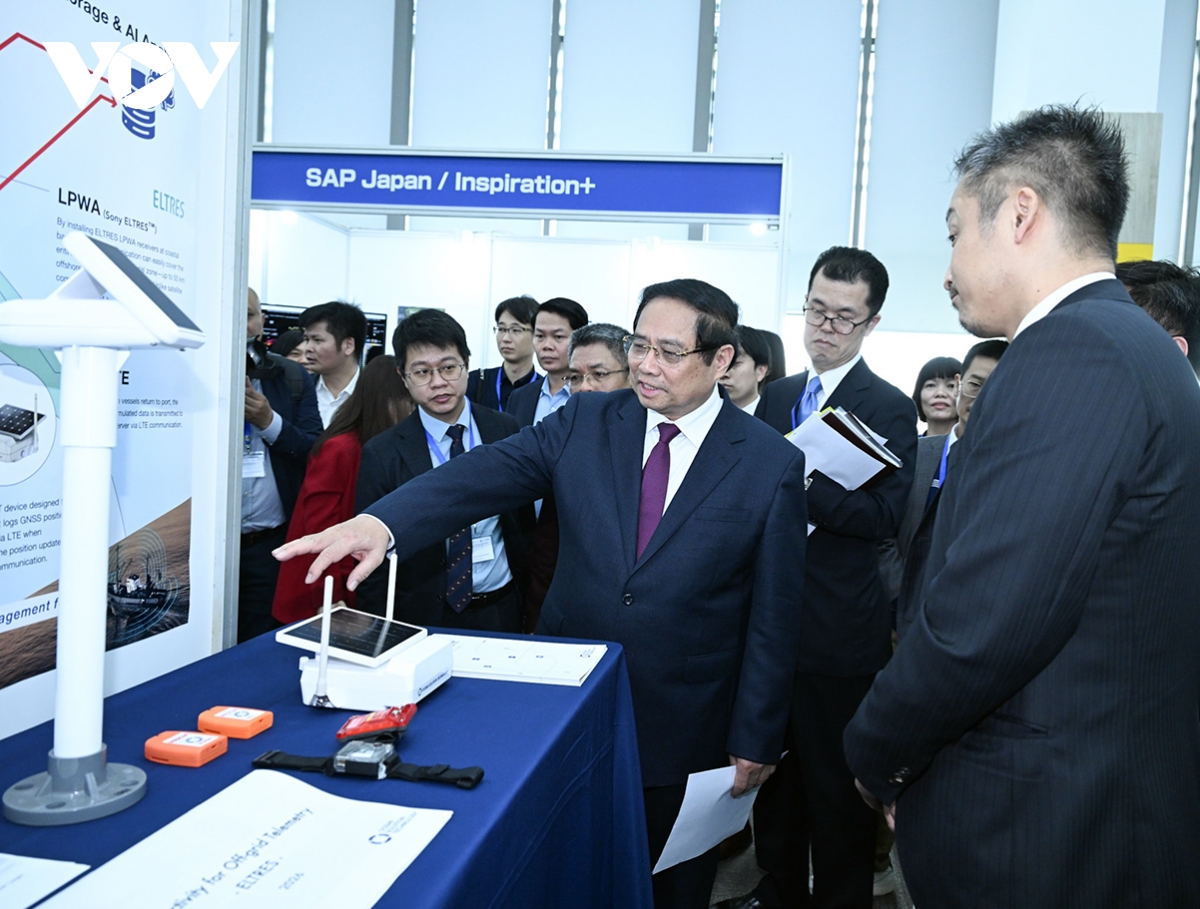
The Vietnam National Space Center complex covers nearly nine hectares and was built with an investment of more than VND7 trillion, funded through official development assistance loans from the Japanese government. The facility includes a satellite control and operations centre, a satellite data exploitation and application centre, a satellite research and development centre, a 9.3-meter ground antenna system, as well as a space museum, a multimedia centre, international guest facilities and training infrastructure.
According to experts, the centre is among the most advanced space research and satellite operations facilities in Southeast Asia. It is expected to enhance Vietnam’s capabilities in satellite research, technology development and the use of satellite data to support socio-economic development.
During the ceremony, Prime Minister Pham Minh Chinh visited the satellite control and operations centre, where engineers monitor satellites in orbit, plan control activities and receive and process satellite data to support ministries, localities and national security missions.
The Prime Minister also toured the satellite research and development area, which houses a cleanroom for satellite integration as well as testing systems and equipment designed to simulate the harsh conditions of outer space before satellites are launched.
Delegates were introduced to the experimental MicroDragon-2 satellite, weighing around 50 kilograms. The satellite has been developed to monitor forest changes and to test domestic satellite design and manufacturing technologies.
The Vietnam National Space Centre project consists of three main components, including the construction of the centre’s infrastructure, the development and launch of the Earth-observation satellite LOTUSat-1 satellite equipped with radar sensors, and programs for training and technology transfer.
The inauguration of the centre is considered an important milestone in Vietnam’s space technology development, marking a transition from the stage of building foundational infrastructure to the stage of operation, application and gradual mastery of satellite technology.
Under Vietnam’s national science and technology development strategy, designing and manufacturing satellites labeled “Made in Vietnam” has been identified as one of the strategic technology products that will receive priority support in the coming years.
Speaking at the Vietnam–Japan Space Horizons Forum 2026, Japanese Ambassador to Vietnam Ito Naoki noted that cooperation between the two countries is entering a new stage of development, particularly in science, technology and innovation.
Japan hopes to continue strengthening the Comprehensive Strategic Partnership with Vietnam, including collaboration in space science and technology to support socio-economic development, address climate change and promote the peaceful use of outer space, he stressed.
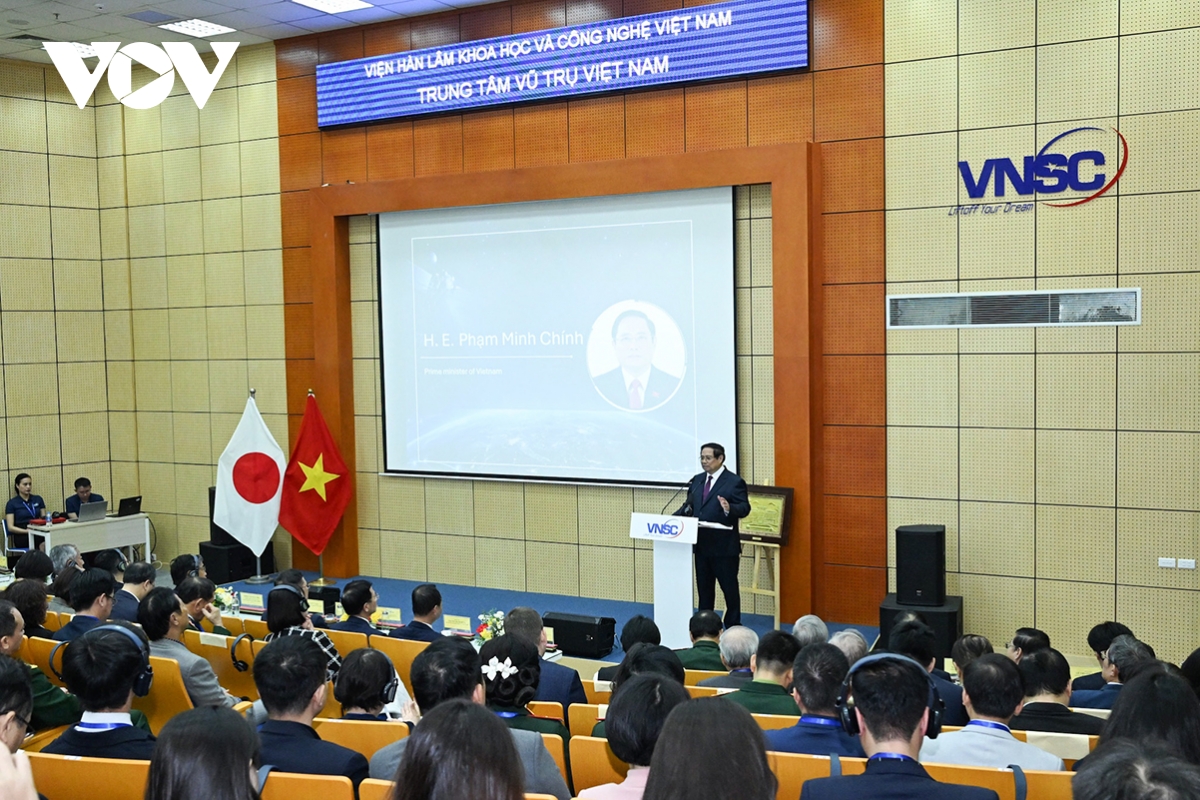
Addressing the forum, Prime Minister Pham Minh Chinh affirmed that space science and technology represents a promising new frontier for development and is also a field that integrates many advanced scientific disciplines while playing a pioneering role in the Fourth Industrial Revolution.
He called for continued efforts to improve policies governing space activities, mobilise and efficiently use resources for space science development, and implement major programmes to strengthen Earth observation capabilities, satellite data infrastructure and specialised human resource training.
In cooperation with Japan, he highlighted the goal of launching the LOTUSat-1 satellite by the end of 2027, alongside expanding collaboration in Earth observation, satellite data applications and the development of small satellite systems.
The Prime Minister expressed confidence that the Vietnam National Space Centre would serve as a strategic launchpad for the country’s space science and technology development, contributing to national development and defence in the coming decades.

SpaceX’s Starlink licensed to provide satellite internet services in Vietnam
VOV.VN - SpaceX’s Starlink has been licensed to provide satellite internet services in Vietnam, marking the company’s formal market entry through a locally incorporated subsidiary, according to official business registration records.