Vietnam eyes strategic materials to move deeper into high-tech global supply chains

VOV.VN - Vietnam is positioning strategic materials development as a core pillar of its industrial transformation strategy, aiming to move beyond resource extraction and low-cost manufacturing toward higher-value participation in global technology supply chains.
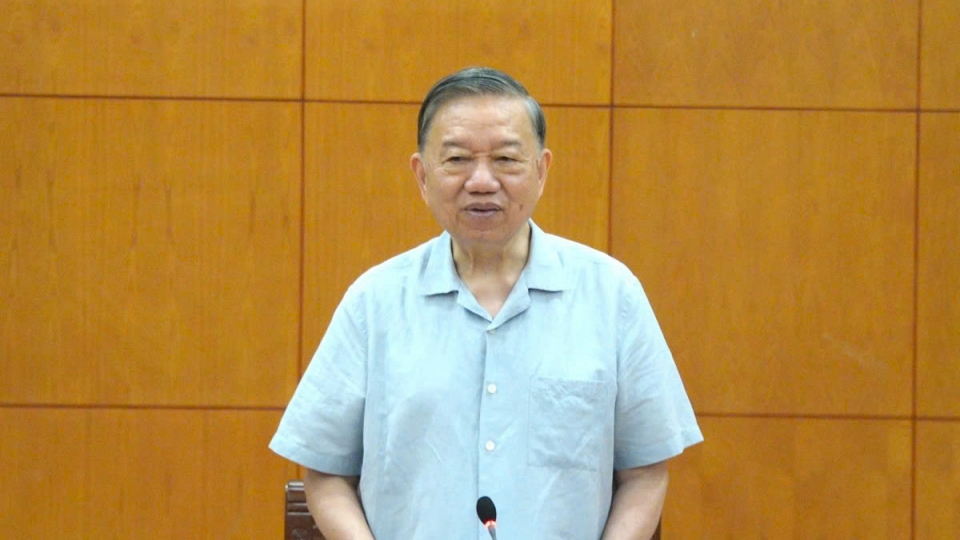
The message was highlighted by General Secretary and President To Lam during a working session with the Party Central Committee’s Policy and Strategy Commission and several ministries on May 21 regarding the future direction of Vietnam’s materials industry.
Strategic materials become a national priority
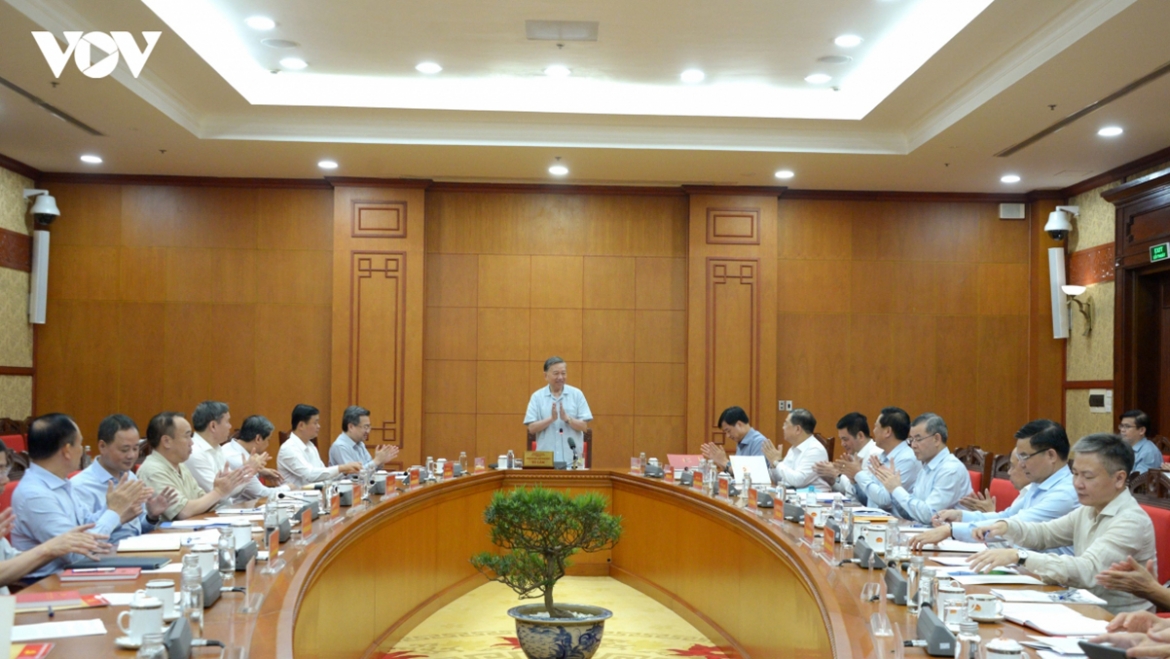
Rather than viewing the materials industry merely as a supporting sector, the top leader described it as a strategic foundational industry essential to Vietnam’s long-term industrialisation and modernisation process.
Under the new orientation, Vietnam plans to shift away from a growth model heavily dependent on raw resource extraction toward deep processing, technological mastery and higher domestic value creation.
One of the most notable aspects of the strategy is Vietnam’s first clear identification of priority strategic material groups, including rare earths, semiconductor materials, battery and energy storage materials, advanced materials and next-generation construction materials.
These sectors are increasingly central to global competition surrounding semiconductors, electric vehicles, renewable energy and green technologies, where control over strategic materials is becoming a decisive factor in industrial competitiveness.
Avoiding scattered investment, focusing on technological breakthroughs
In his view, Vietnam should avoid spreading investment too broadly while resources remain limited. Instead, the country needs to prioritise development according to different material segments. Traditional foundation materials such as steel, cement, basic chemicals and construction materials should be upgraded through greener production and higher technological application.
At the same time, strategic materials linked to semiconductors, rare earths, batteries and advanced manufacturing should receive focused investment to create breakthroughs.
Vietnam is also expected to prepare early for future-oriented sectors such as nanomaterials, smart materials, biomaterials and quantum materials through long-term development roadmaps.
The new strategy also places strong emphasis on sustainability and green transformation. The top leader stressed the need to increase the use of recycled and environmentally friendly materials, improve energy efficiency and reduce emissions while ensuring stable material supplies for infrastructure, transportation, energy and housing projects.
Building domestic technological capability
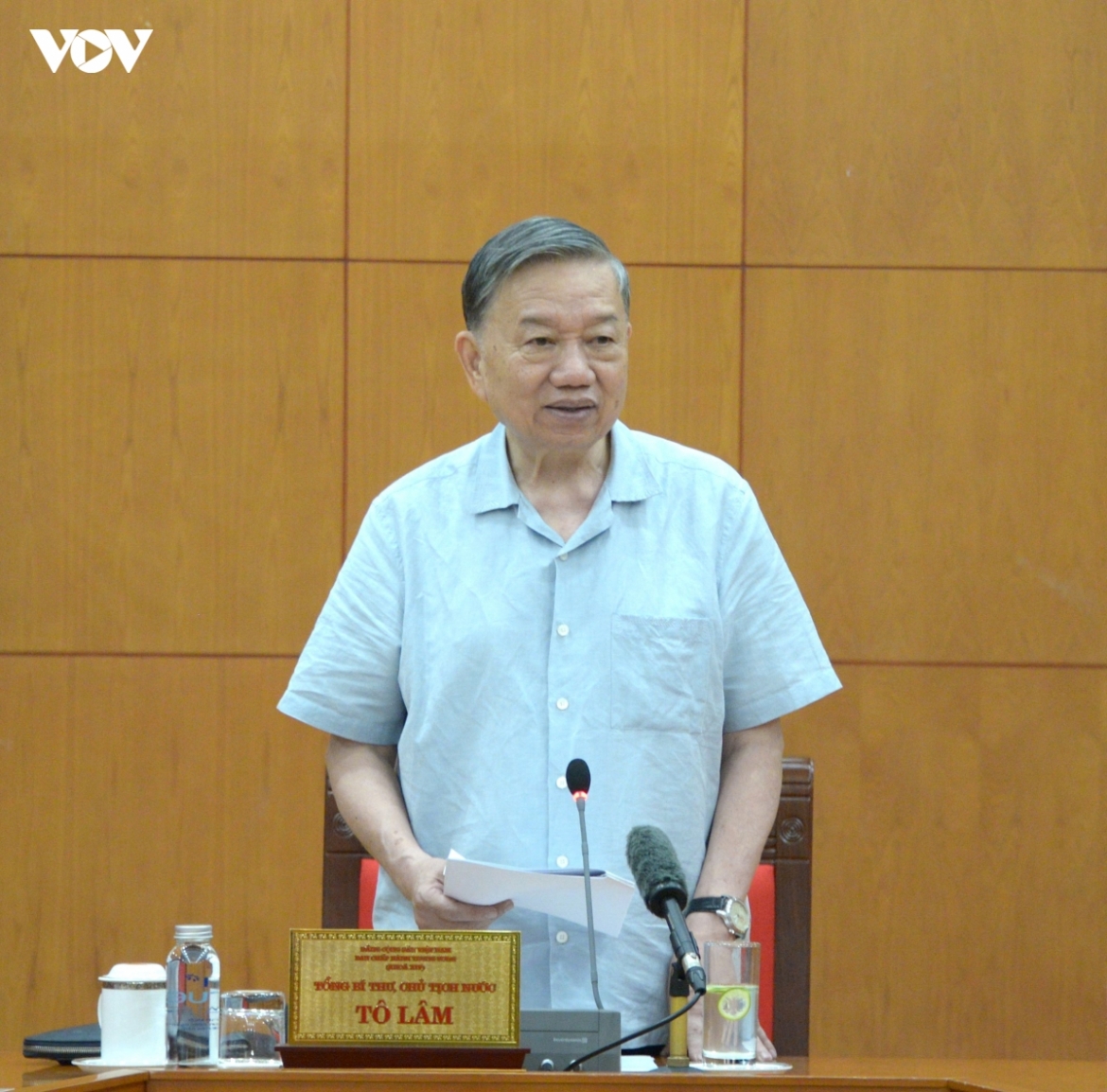
Beyond resource development, Vietnam’s larger challenge lies in strengthening research capacity and mastering more stages of the domestic value chain.
According to Party General Secretary and President To Lam, the materials industry cannot rely solely on expanding production capacity, but must develop across the full ecosystem, from research and design to testing, manufacturing and commercialisation.
To support this goal, Vietnam plans to develop key laboratories, testing centres, national materials databases and pilot mechanisms for experimental products.
The country also aims to train specialised human resources aligned with business demand, expand domestic markets for new materials and nurture Vietnamese enterprises capable of leading the sector.
Emphasising the need for a long-term roadmap, the top leader assigned the Government Party Committee to lead the drafting of a national strategy for the development of Vietnam’s materials industry through 2030, with a vision to 2045.
The strategy, he said, should be issued as soon as possible and must reflect long-term strategic thinking, clear objectives, feasible implementation roadmaps and clearly defined responsibilities for relevant agencies and stakeholders.
Another significant shift in policy thinking is the call for more selective foreign direct investment (FDI). Future FDI attraction is expected to focus more heavily on technology transfer, research and development activities inside Vietnam and stronger integration with domestic supplier ecosystems, rather than simply expanding manufacturing capacity.
Building on discussions at the meeting, General Secretary and President To Lam assigned the Party Central Committee’s Policy and Strategy Commission to consolidate feedback, finalise the proposal and submit it to the Politburo for consideration and the issuance of a conclusion on the leadership and direction of Vietnam’s materials industry development in the coming period.
Vietnam must treat quantum technology as a strategic priority: Top leader To Lam
VOV.VN - Party General Secretary and President To Lam has called on Vietnam to regard quantum technology as a strategic development direction, emphasising the need to move early, focus on practical strengths, develop high-quality human resources, and create mechanisms for real-world application and commercialisation.