Vietnam eyes first free trade zones by 2026 to pilot breakthrough policies

VOV.VN - Vietnam plans to launch its first free trade zones (FTZs) in 2026 under a proposal discussed by the government at a meeting on December 5, as the country seeks to pilot breakthrough policies to spur growth and strengthen its competitiveness.
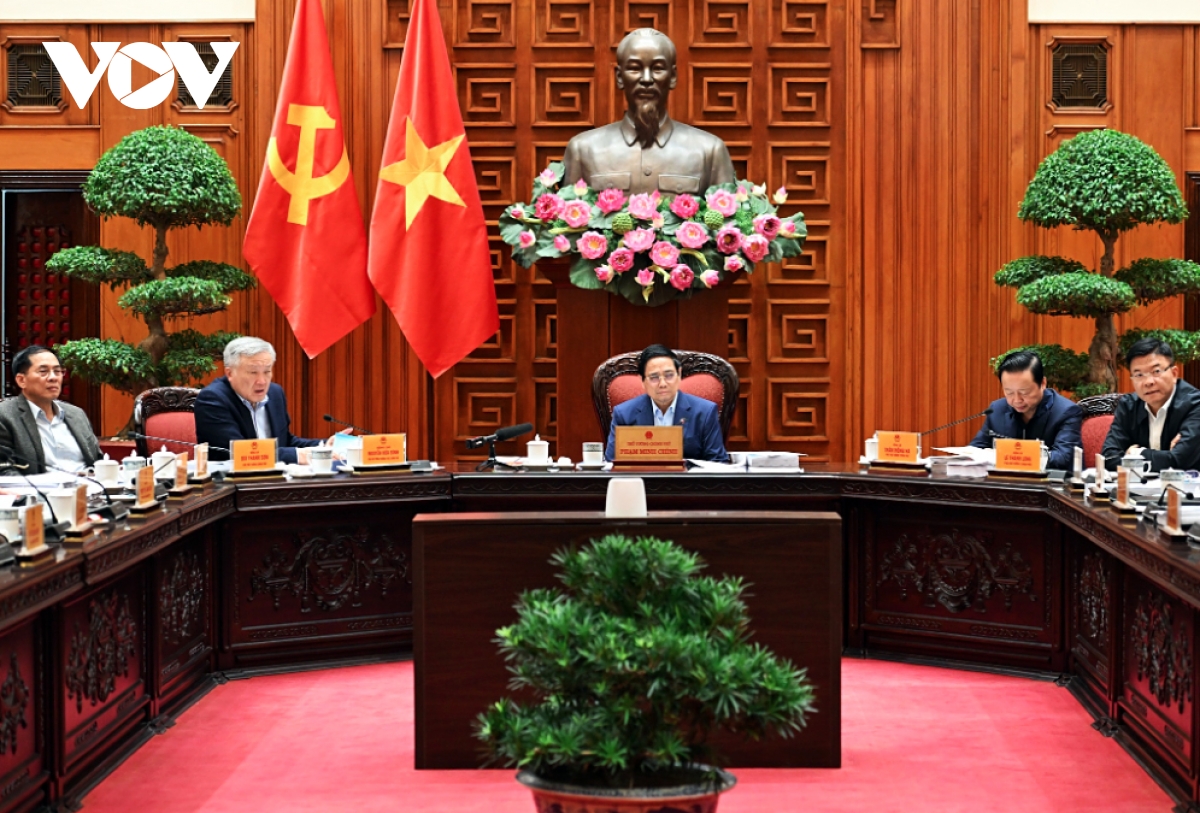
The meeting, chaired by Prime Minister Pham Minh Chinh, reviewed a plan formulated by the Ministry of Finance (MoF) to build a political and legal foundation for FTZs, a concept not yet defined in Vietnam’s existing laws.
According to the MoF, more than 7,000 special economic zones and FTZs operate globally, increasingly expanding beyond trade to multi-functional ecosystems incorporating industry, high-tech manufacturing, finance, urban services and innovation hubs. Vietnam aims to leverage FTZs as policy laboratories aligned with international standards.
Under the MoF’s proposal, Da Nang, Hai Phong and Ho Chi Minh City would host the initial zones. Vietnam expects to develop 6–8 FTZs by 2030, and 8–10 internationally competitive zones by 2045, contributing an estimated 15%–20% of national GDP.
The MoF’s proposal is based on the country’s 2021–2030 socio-economic strategy, which urges the creation of outstanding, competitive and exceptional mechanisms to accelerate regional development. However, Vietnam currently lacks regulations governing FTZ organisation, management and incentives. The National Assembly has issued resolutions on piloting several special mechanisms and policies for the development of Da Nang and Hai Phong, including provisions on the establishment of free trade zones.
Speaking at the meeting, the Prime Minister said the plan must move quickly but ensure quality, with the goal of testing new economic policies before potentially scaling them nationwide.
He instructed ministries to clearly distinguish FTZs from international trade centres, saying the two require different incentive structures. He emphasised that FTZs must be regionally balanced, limited in number during the pilot phase, and subject to time-bound evaluation.
He also called for FTZ development to include land-use planning, infrastructure and smart management systems, human resource training, environmental and social safeguards, and lean administrative models with stronger decentralisation and oversight.
Policies must be attractive enough to compete regionally, said the PM, adding they should not overly disrupt the general investment environment or weaken wider regulatory standards.
The meeting also discussed a separate proposal on special mechanisms to develop the Dung Quat Economic Zone in Quang Ngai into a national hub for refining, petrochemicals and energy, although details were not disclosed during the meeting.
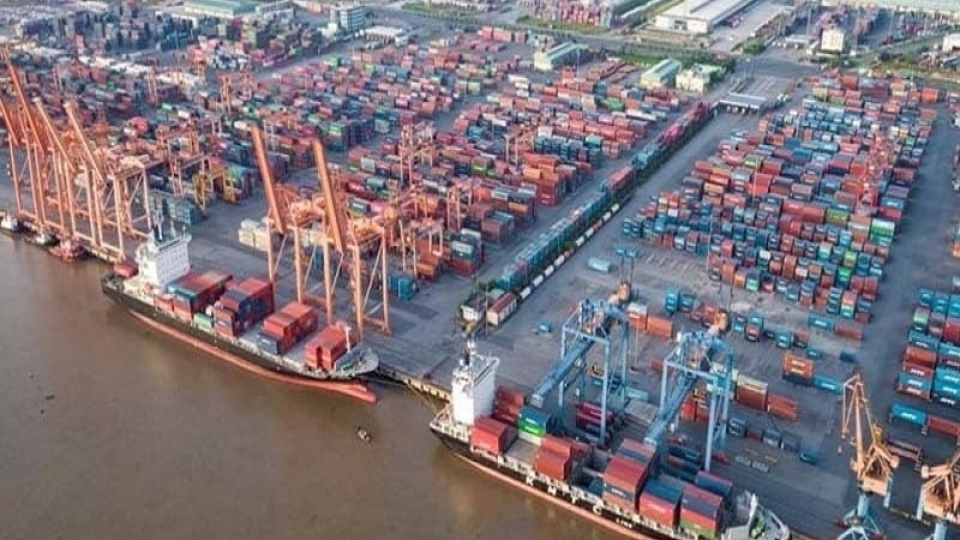
Hai Phong sets up northern Vietnam’s first comprehensive free trade zone
VOV.VN - Hai Phong has announced the establishment of its first comprehensive Free Trade Zone (FTZ), covering approximately 6,292 hectares across three key locations within the city’s coastal economic zones.