Steady leadership helps Vietnam weather unprecedented challenges

VOV.VN - Vietnam’s government has been credited by lawmakers with steering the country through an unusually turbulent five-year term, citing flexible governance, resilience and a series of socio-economic achievements recorded amid global and domestic headwinds.
At the final session of the 15th National Assembly, lawmakers described the 2021–2025 term as one marked by determination, accountability and clear results, saying the Government and the Prime Minister fulfilled and exceeded targets set by the legislature.
Lawmakers said the assessment was underpinned by socio-economic indicators secured during a period described as unprecedented in scale and complexity. Analysts at regional and international forums have cited Vietnam as a relative bright spot amid broader global economic uncertainty.
Pandemic response and recovery

It’s worth remembering that at the outset of the term in 2021, Vietnam faced the rapid spread of COVID-19. The Government adopted a series of coordinated measures to pursue what it described as a “dual goal” of controlling the pandemic while restoring economic activity.
In October 2021, the Government issued Resolution 128, setting out a policy of “safe and flexible adaptation” to COVID-19 and allowing nationwide economic reopening. Vietnam fully reopened its economy in early 2022, laying the groundwork for a strong rebound.
The National Assembly later approved Resolution 43/2022, authorizing a fiscal and monetary support package worth nearly VND350 trillion (US$14 billion) for the socio-economic recovery programme. The Government subsequently launched implementation measures, including large-scale tax relief, social assistance and public investment.
According to official data, support measures provided around VND105 trillion to more than 1.4 million employers and 68.4 million affected workers, while nearly VND175.5 trillion in central budget funds were allocated to recovery programmes and infrastructure and healthcare projects.
Growth momentum
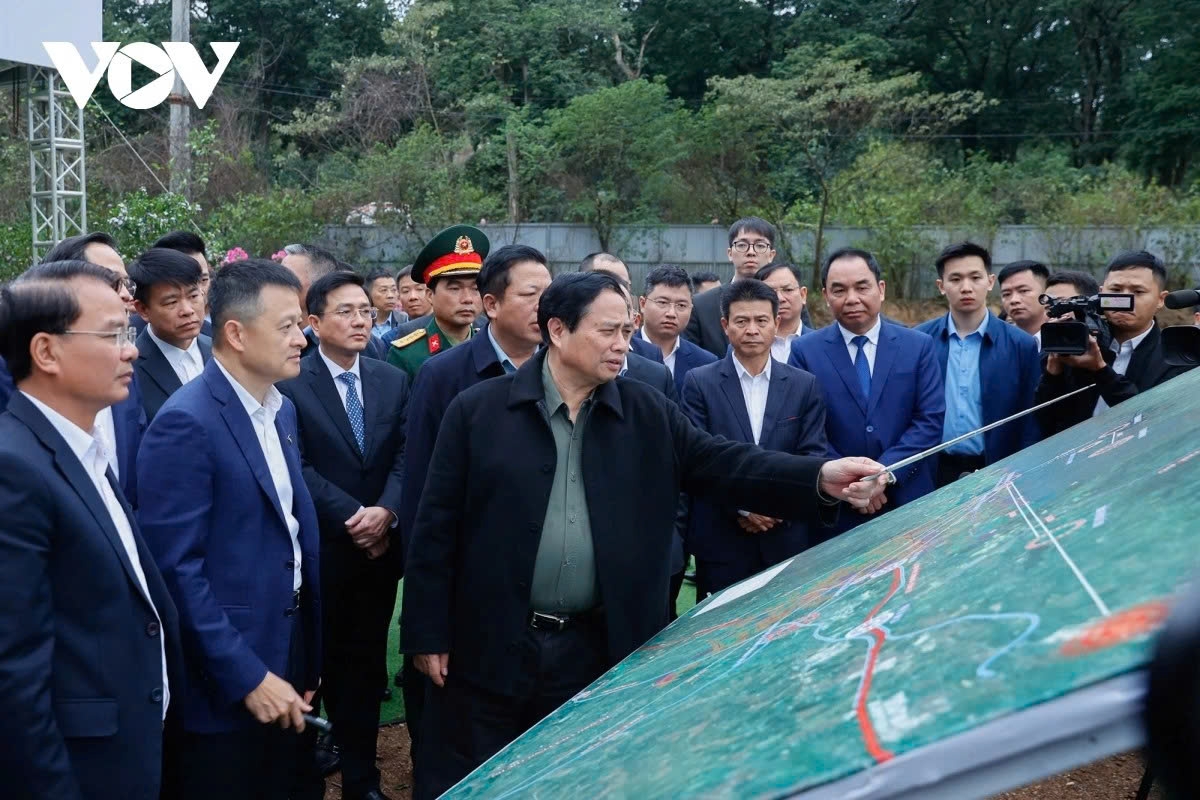
Despite heavy impacts from the pandemic and a slowdown in global trade, Vietnam’s GDP growth averaged 2.7% per year in 2020–2021. In 2022, the economy rebounded sharply, expanding by 8.54%, well above the original target of 6–6.5% and among the highest growth rates regionally.
In 2025, the Government proposed raising the GDP growth target to at least 8%, citing improved conditions and development needs. The revised target was approved by the Party Central Committee and the legislature, despite continued global economic volatility.
According to the National Statistics Office under the Ministry of Finance, Vietnam’s GDP grew 8.46% year on year in the fourth quarter of 2025, the strongest fourth-quarter growth recorded since 2011. Full-year growth reached 8.02%, second only to 2022 over the 2011–2025 period.
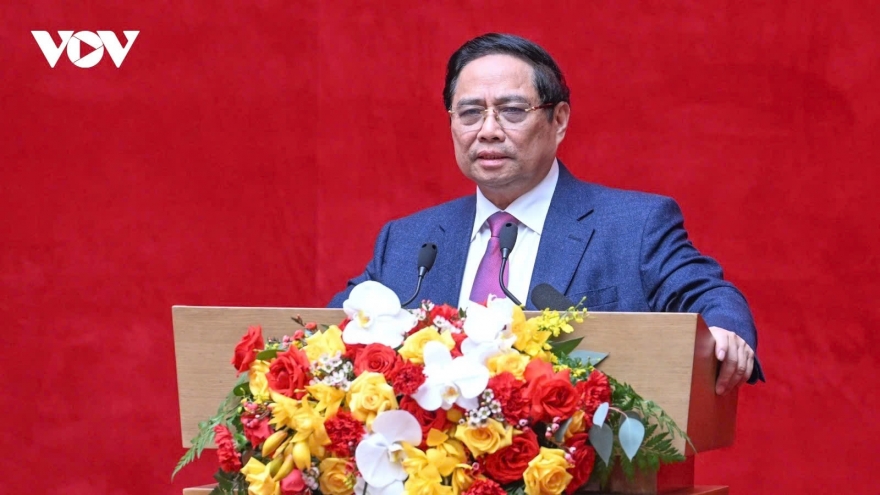
Prime Minister Pham Minh Chinh told lawmakers at the final session of the 15th legislature that Vietnam had maintained internal stability while preserving external balance, laying foundations for sustainable and inclusive growth and reinforcing public confidence in the Party and the State.
Structural reforms and social welfare
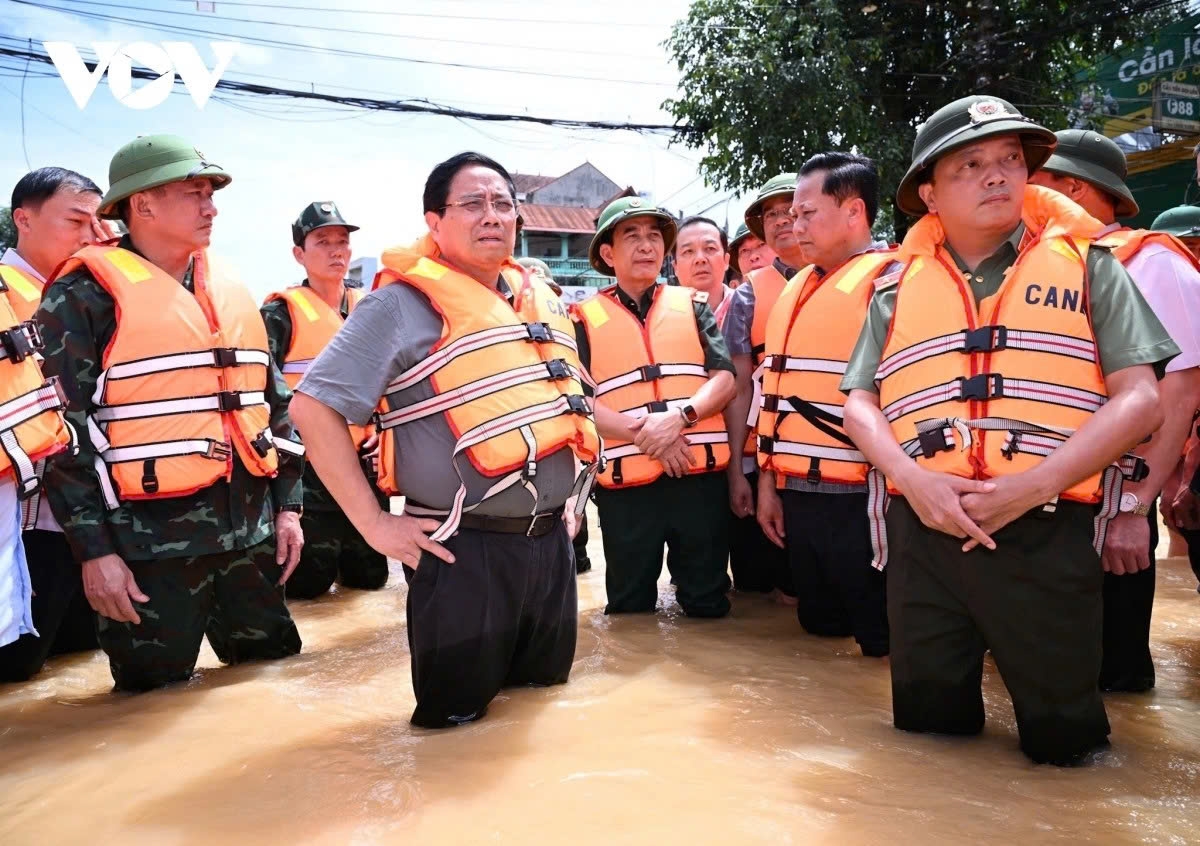
The fact is that maintaining macroeconomic stability and sustaining high growth has placed Vietnam among the world’s fastest-recovering economies after the pandemic. In addition, effective COVID-19 control, a successful vaccine diplomacy strategy that safeguarded lives during the most difficult period, a strong focus on social welfare, breakthroughs in strategic infrastructure, and major institutional reforms have together demonstrated the Government’s strong sense of responsibility, commitment and resilience during an unprecedentedly turbulent term.
Lawmakers highlighted the final two years of the term as a period of accelerated reforms, including institutional streamlining, decentralization and strategic infrastructure development. Vietnam also launched major administrative restructuring, reducing the number of local government tiers from three to two, and promoted a growth model centred on green development, digital transformation and innovation.
According to lawmakers, average GDP growth over 2021–2025 is estimated at about 6.3% per year, slightly higher than the 2016–2020 period. Vietnam’s economic size reached an estimated US$510 billion, ranking 32nd globally, while GDP per capita rose to about US$5,000.
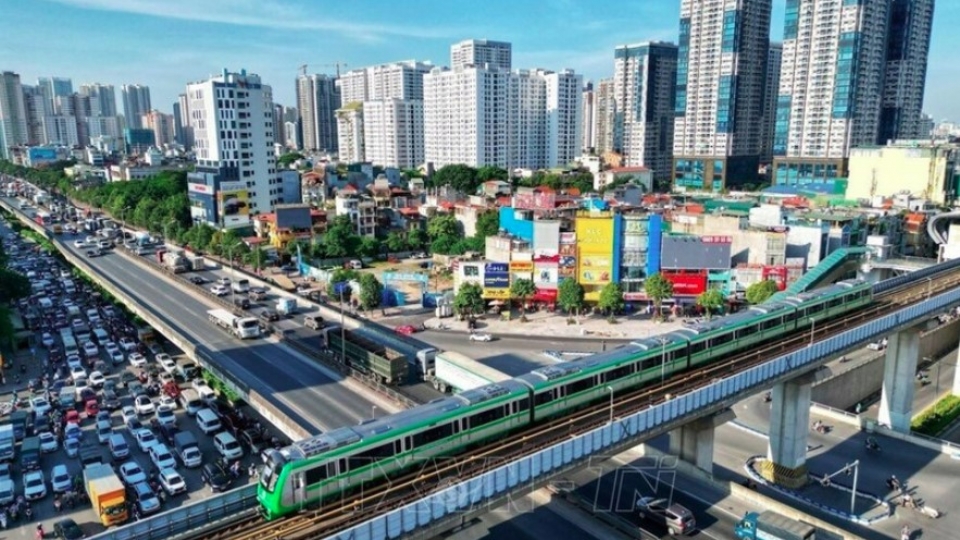
By the end of 2025, Vietnam had completed 3,245 kilometers of expressways, a development lawmakers said had transformed national connectivity and opened new growth corridors.
On social welfare, lawmakers noted that the programme to eliminate temporary and dilapidated housing was completed more than five years ahead of schedule. The Government said the initiative aligned with its commitment to inclusive development and social stability.
The multidimensional poverty rate fell from 4.4% in 2021 to 1.3% in 2025, while more than 3.5 million people received regular social assistance in 2025 alone.
Education and healthcare access also expanded, with policies including tuition exemptions, school meal support and plans to reduce out-of-pocket medical costs. Vietnam’s Human Development Index rose by 14 places, while its global happiness ranking improved by 33 places to 46th out of 143 countries.
Nguyen Anh Tri, a National Assembly deputy from Hanoi, said the achievements carried particular meaning given the country’s historical hardships. “Having lived through war and the centrally planned period, I see these outcomes as both significant and deeply meaningful,” he said.
Overcoming headwinds, Vietnam lays cornerstone to break through into new era: PM
Prime Minister Pham Minh Chinh has reviewed socio-economic achievements of 2025 and the 2021–2025 tenure while sketching out major orientations and tasks for 2026 during an interview granted to the VNA on the occasion of the New Year 2026, the first year implementing the Resolution of the 14th National Party Congress.