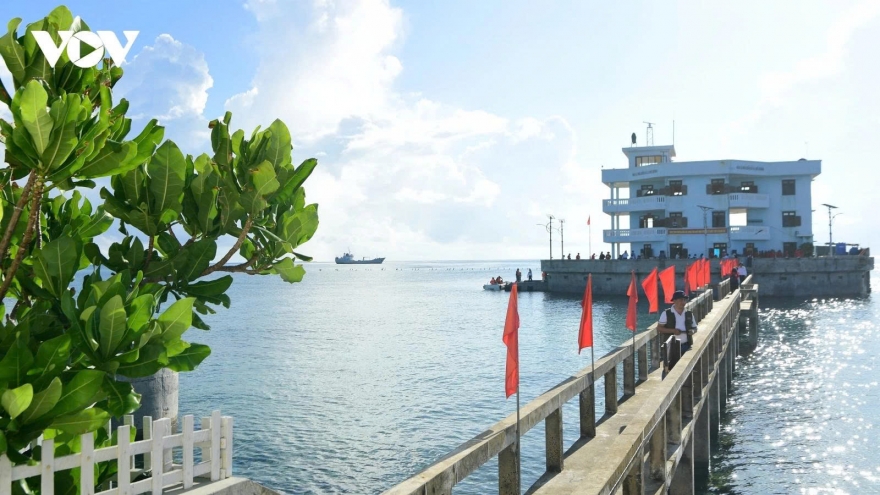
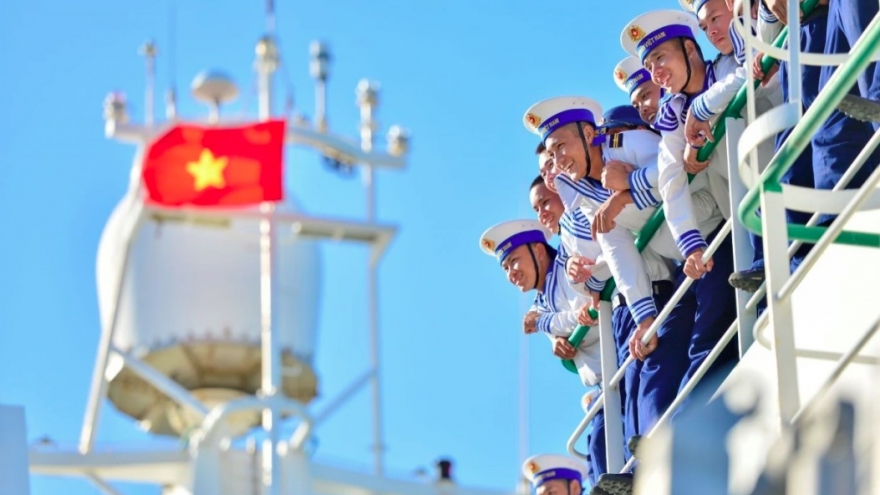
Spratly Islands liberation a key strategic move in Vietnam’s 1975 Spring Offensive

VOV.VN - April 1975 is remembered not only for the rapid advance of Vietnamese forces toward Saigon (now Ho Chi Minh City) during the 1975 Spring Offensive, but also for a far-reaching strategic decision: the liberation of islands in the Truong Sa (Spratly) archipelago on April 29.
According to Dr Pham Minh The of the Faculty of History at the University of Social Sciences and Humanities under Vietnam National University Hanoi, the operation was among the most remarkable achievements of the Vietnam People’s Army and contributed significantly to the overall victory and the completion of national reunification.
Strategic foresight at a decisive moment
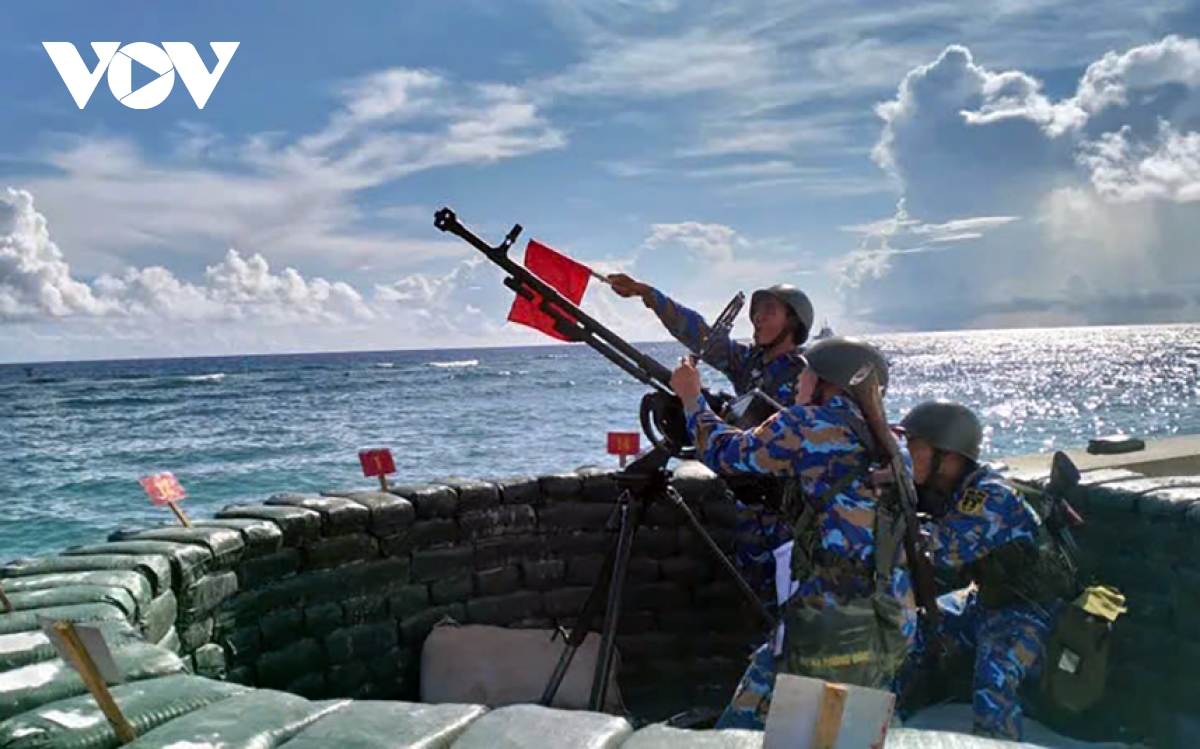
In early April 1975, as the path to Saigon was opening and resources were being concentrated on the mainland front, the Politburo and the Central Military Commission issued a decisive directive to seize the opportunity to take control of islands held by the Saigon administration.
The decision, the scholar noted, reflected both strategic vision and acute awareness of timing. Amid the unfolding Central Highlands campaign, Vietnamese leaders recognised the risk that foreign forces could move swiftly to occupy the islands if action was delayed.
A resolution of the Politburo dated March 25, 1975 therefore made clear that alongside preparations for the final strategic offensive on land, forces should be urgently deployed to liberate offshore islands, including the Spratlys.
A complex operation at sea
Unlike land-based campaigns, Dr. The said, operations at sea posed unprecedented challenges. The Spratly Islands lie far from the mainland, making troop deployment, logistics and operational secrecy particularly difficult.
Vietnamese forces not only faced troops of the former South Vietnamese administration stationed on the islands, but also had to factor in the presence and interests of other countries in the region.
When the decision was made to launch the operation to liberate the Spratly Islands, General Vo Nguyen Giap (1911 – 2013) instructed Lieutenant General Le Trong Tan (1914 – 1986) not only to convey orders to Military Region 5 and the Naval Command to carry out the mission, but also to take into account a highly complex operational environment.
He warned that the area could see the presence of vessels from the US Seventh Fleet as well as naval forces from other countries, while South Vietnamese forces were equipped with relatively large ships. In this context, he stressed that the operation would require a careful balance between determination and restraint.
Accordingly, military tactics needed to be bold and decisive, while at the same time flexible, creative and capable of achieving surprise.
These directives underscored the complexity of the situation, where each decision carried broader geopolitical implications.
In such circumstances, delay was not an option, Dr The stressed, adding any hesitation could have led to the islands being occupied or contested by external forces, posing a direct threat to Vietnam’s territorial integrity.
“This was not merely a military campaign, but a race against time to safeguard national sovereignty,” Dr The noted.
The success of the Spratly operation thus carried not only military significance but also demonstrated the strategic acumen of Vietnam’s leadership at a critical historical juncture.
Affirming sovereignty through historical reality
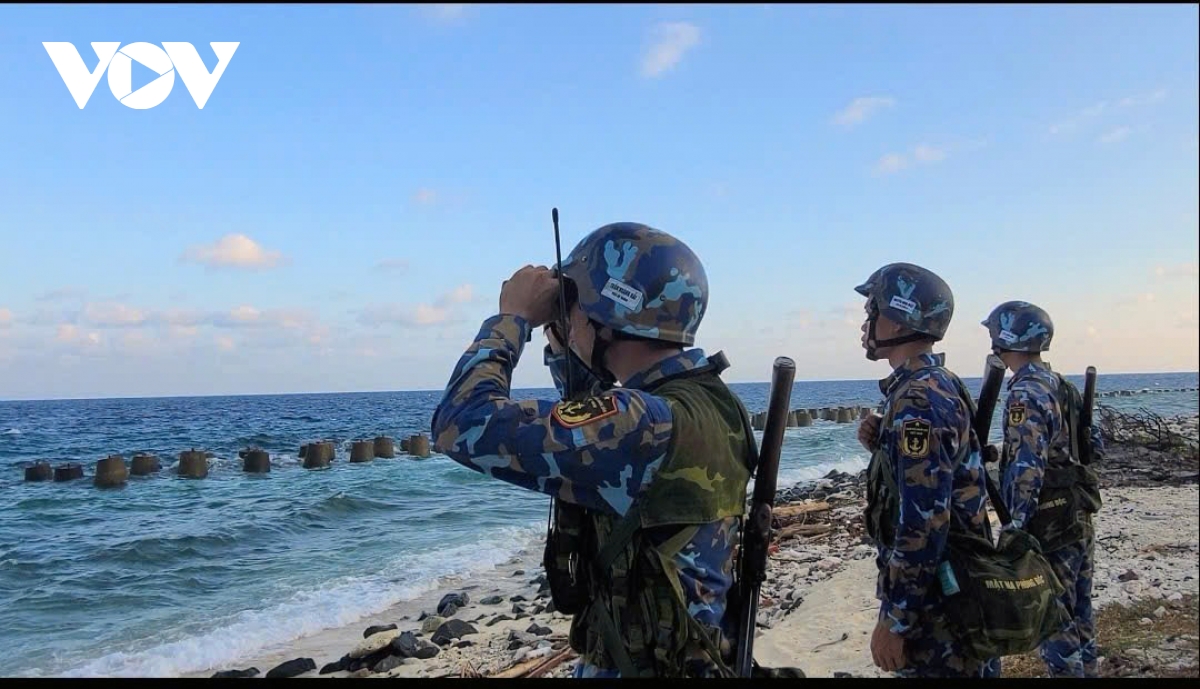
On April 29, 1975, the Spratly archipelago was fully brought under control, marking a milestone in Vietnam’s history of sovereignty over its seas and islands.
During his lifetime, President Ho Chi Minh (1890 – 1969) consistently affirmed the unity and territorial integrity of Vietnam, stressing that the country is one and the Vietnamese people are one.
At the time, although the Spratly Islands were administered by the South Vietnamese government, they were still considered part of Vietnam’s sovereign territory rather than belonging to any external power. This interpretation is grounded in the 1954 Geneva Agreements, which defined the 17th parallel as a temporary military demarcation line rather than an international boundary.
From this perspective, the operation by naval forces of the Democratic Republic of Vietnam (now Socialist Republic of Vietnam) to take control of the Spratly Islands can be understood as an effort to assert sovereignty and territorial integrity, rather than an act of external aggression.
The move, Dr. The said, was aimed at reinforcing Vietnam’s claim through effective control on the ground, in line with principles of international law regarding sovereignty and territorial jurisdiction.
Lessons for the present

As the East Sea continues to witness complex developments, the 1975 Spratly campaign retains contemporary relevance. The principles of proactiveness, swift action and “early, from afar” defence thinking are key lessons for safeguarding national sovereignty today.
The Politburo’s Resolution 09 on Vietnam’s maritime strategy to 2020 outlined a long-term and overarching objective to fully establish, manage and firmly safeguard the country’s sovereignty, sovereign rights and jurisdiction over its maritime zones, continental shelf and island groups, including the Hoang Sa (Paracel) and Truong Sa (Spratly) archipelagos.
At the same time, it emphasised an immediate priority to protect national sovereignty and interests at sea while maintaining peace, stability and cooperation for development.
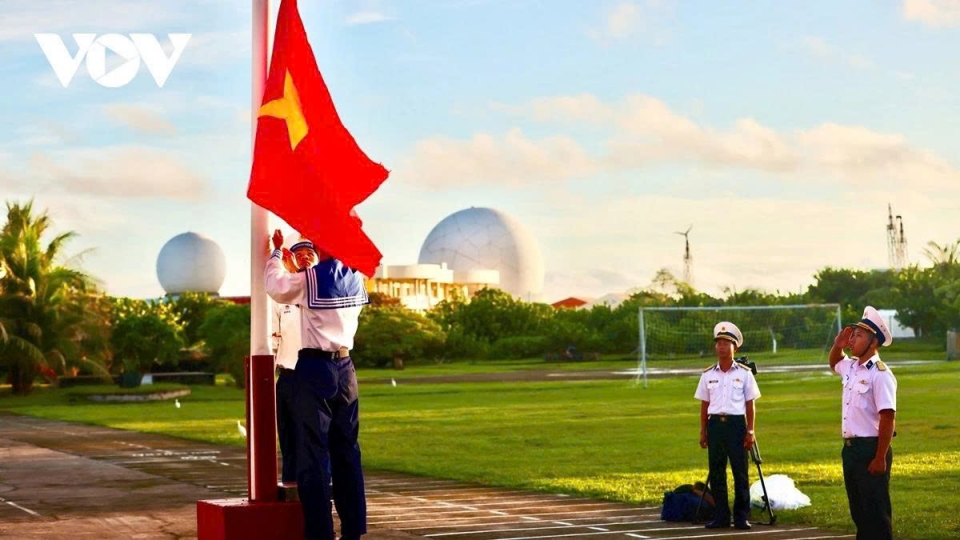
Beyond its historical and strategic significance, the Spratly Islands remain a powerful symbol of national unity and patriotism.
Dr. The called on younger generations to contribute to national defence through awareness, responsibility and a strong sense of attachment to the country’s maritime sovereignty.
First leaders appointed to Truong Sa Special Administrative Region
VOV.VN - The People’s Council of Khanh Hoa province, central Vietnam, has just passed a resolution appointing the first leaders of the People’s Committee of the Truong Sa Special Administrative Region for the 2021–2026 term.