Seminar discusses digital capitalism and technological socialism

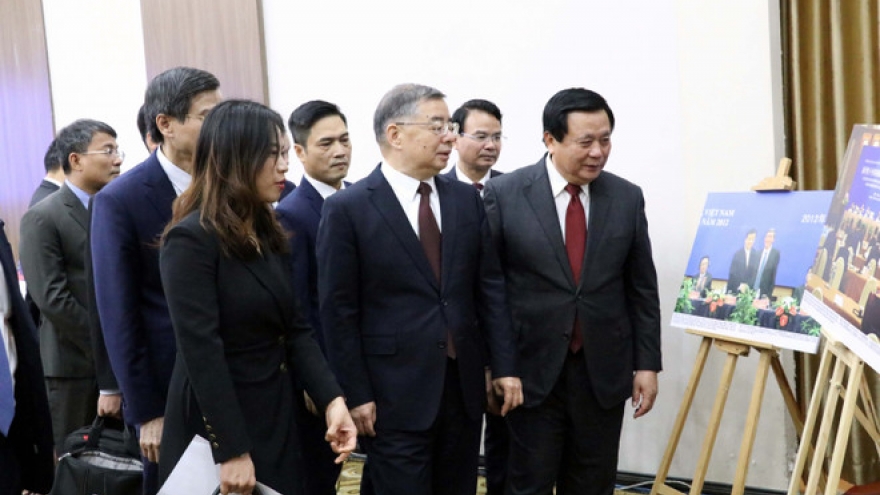
VOV.VN - The Ho Chi Minh National Academy of Politics and the Central Theoretical Council co-hosted a national seminar on “Digital Capitalism and Technological Socialism: Theoretical and Practical Issues” in Hanoi on January 13.
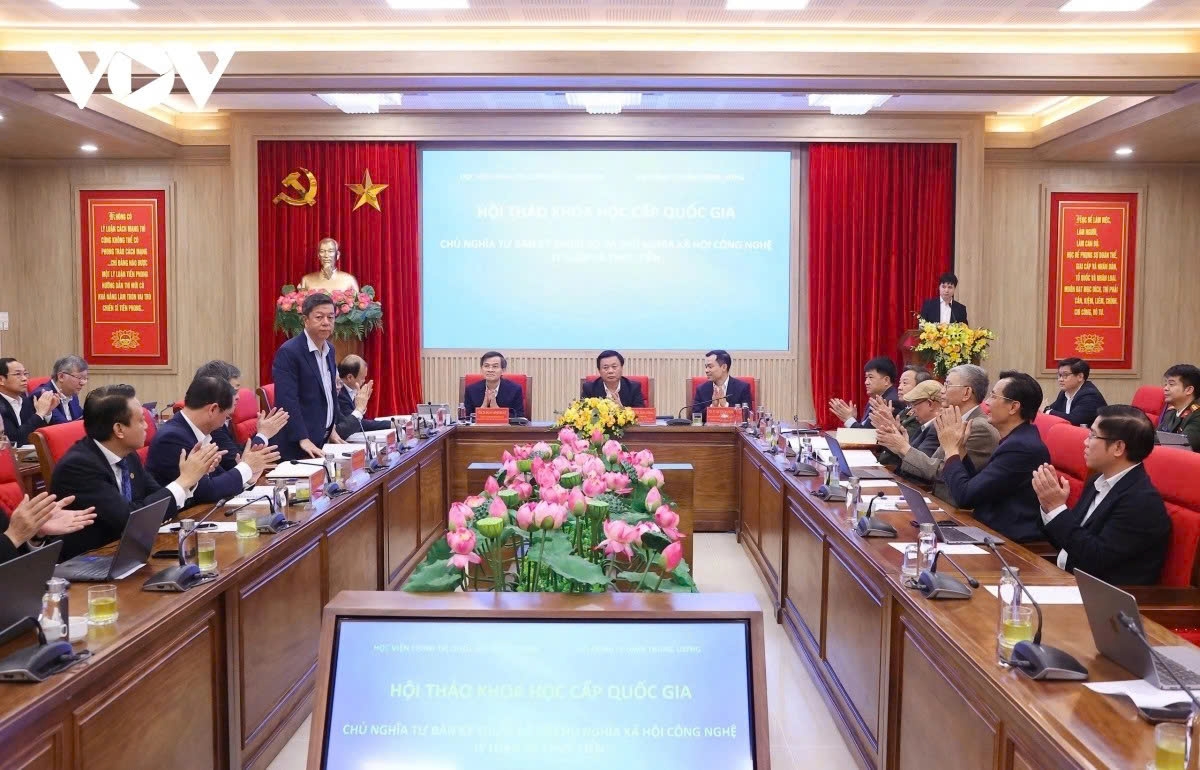
Opening the seminar, Nguyen Xuan Thang, director of the Ho Chi Minh National Academy of Politics, said the event aimed to analyse and interpret profound changes in capitalism and socialism in the digital era. He said the discussions carry both theoretical and practical significance, contributing to policy planning, strategic thinking and long-term development orientations.
Thang noted that the modern scientific and technological revolution, driven by digital technologies, big data, artificial intelligence, the Internet of Things, smart automation and quantum technologies, is fundamentally transforming productive forces, modes of production and distribution, and reshaping global economic and social power structures.
In this context, both capitalism and socialism are being forced to adjust and restructure to adapt to new levels of productive development, giving rise to two emerging models attracting growing international attention: digital capitalism and technological socialism.
He stressed that digital technology and artificial intelligence are common achievements of human civilisation, reflecting an objective trend of social progress that transcends national borders and social systems, and creating shared material conditions for the development of both capitalism and socialism.
Participants said digital capitalism is characterised by the privatisation of data and knowledge, turning data generated through large-scale social activity into a strategic resource and a source of monopoly power for major corporations.
By contrast, technological socialism was described as a model that prioritises human development, social progress and equity, treating data and core technologies as social assets to be managed for the common good, with the state playing a key role in regulation, orientation and the protection of fairness.
Vietnamese, Chinese Parties exchange experience in socialism building
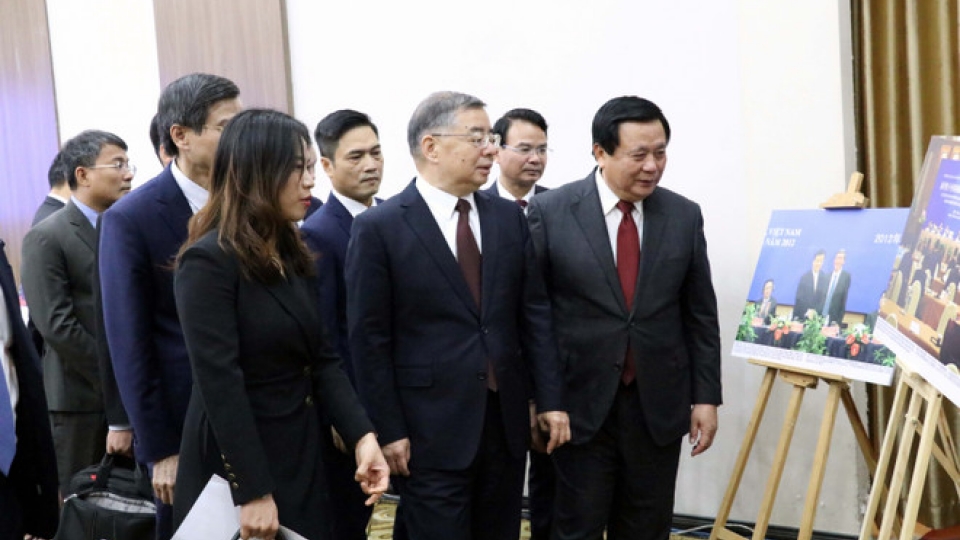
The 20th theory seminar between the Communist Party of Vietnam (CPV) and the Communist Party of China (CPC) was held in the northern province of Ninh Binh on November 12 under the theme “The path and practice of socialism in the 21st century.”